How the seasons shape our Nature-based Therapies and Skills Programmes
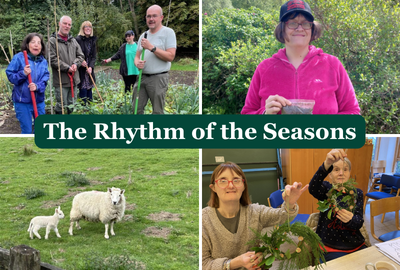
At Camphill Village Trust, our Nature-based Therapies and Skills Programmes are guided not just by the land we work on, but by the natural rhythm of the seasons themselves. Just as the year moves from spring to summer, autumn to winter, so too do our activities evolve, creating a natural flow that brings energy, purpose, and meaning to the lives of the adults with learning disabilities, autism, and mental health support needs who take part.
More than activities — a natural rhythm
The programmes are not about simply “filling time.” Every task, project, or creative piece is part of a wider journey. Whether it’s planting vegetables, baking bread, weaving textiles, or making a craft item, each activity is a vehicle towards something bigger: building confidence, developing independence, connecting with others, and celebrating personal achievement.
The cycle of the seasons helps shape this journey in a way that feels authentic and meaningful. Our personal lives are marked by seasonal change, and the same is true within our programmes — with each season offering opportunities that match its natural pace.
Spring: new beginnings
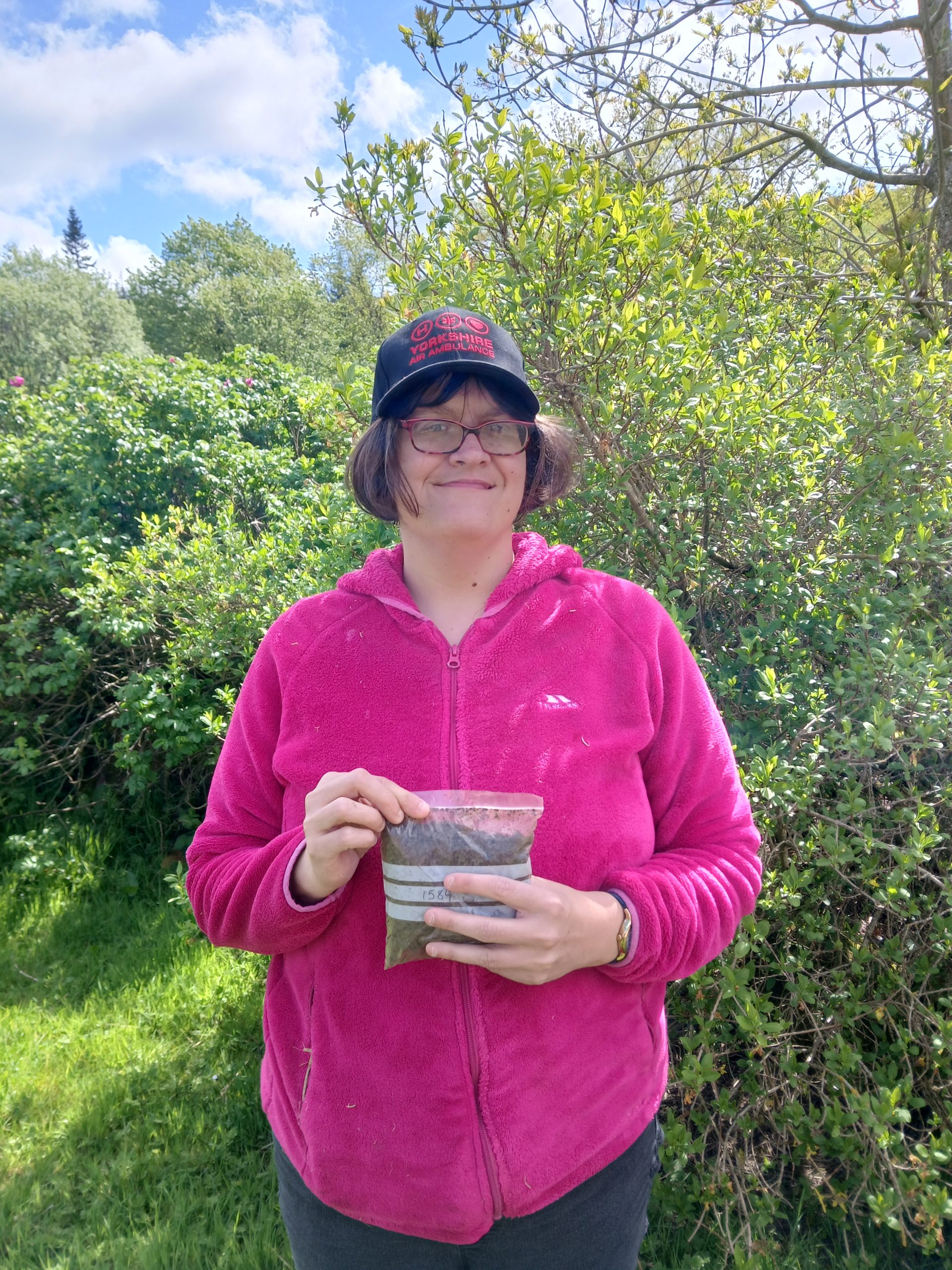
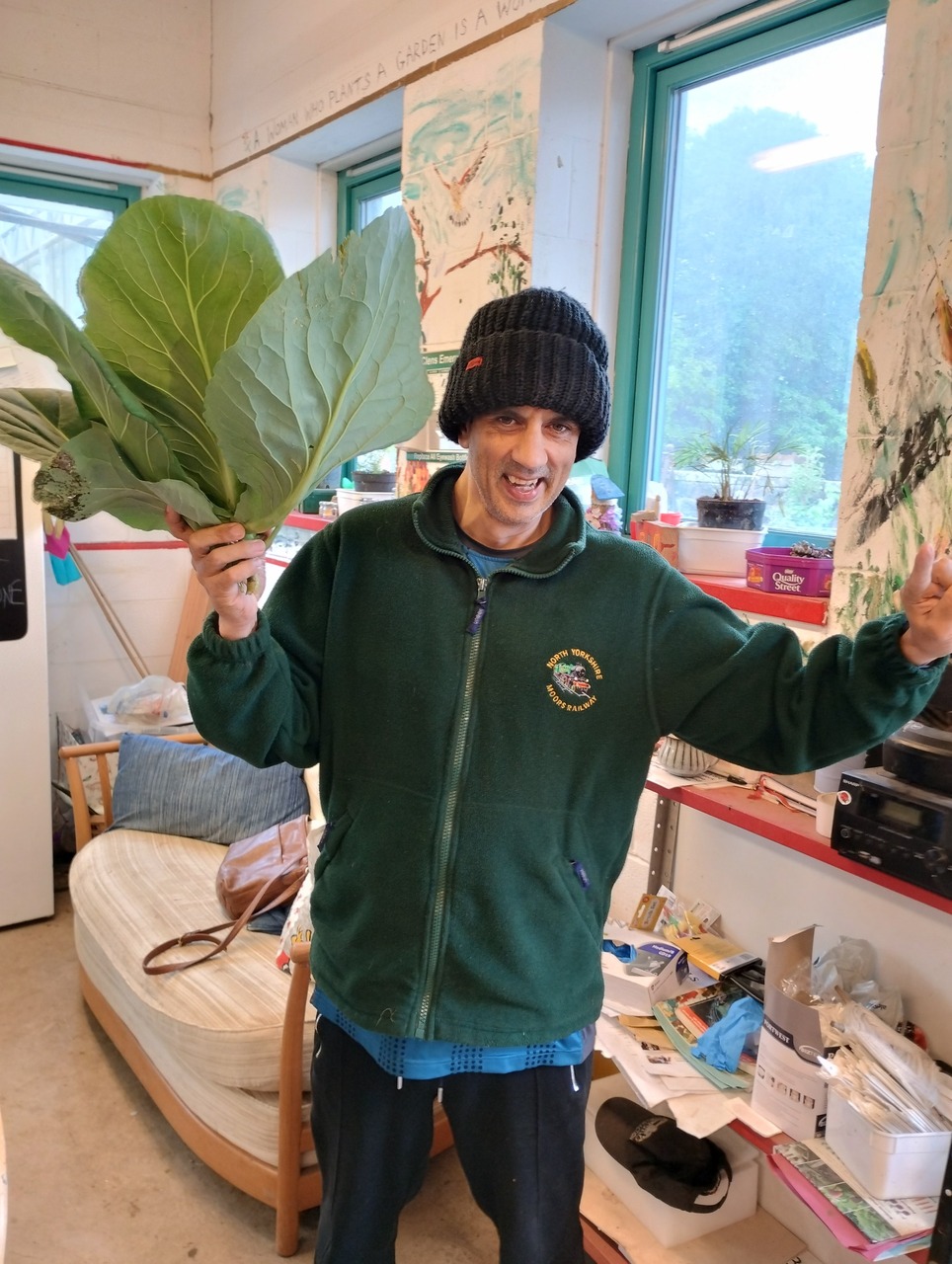
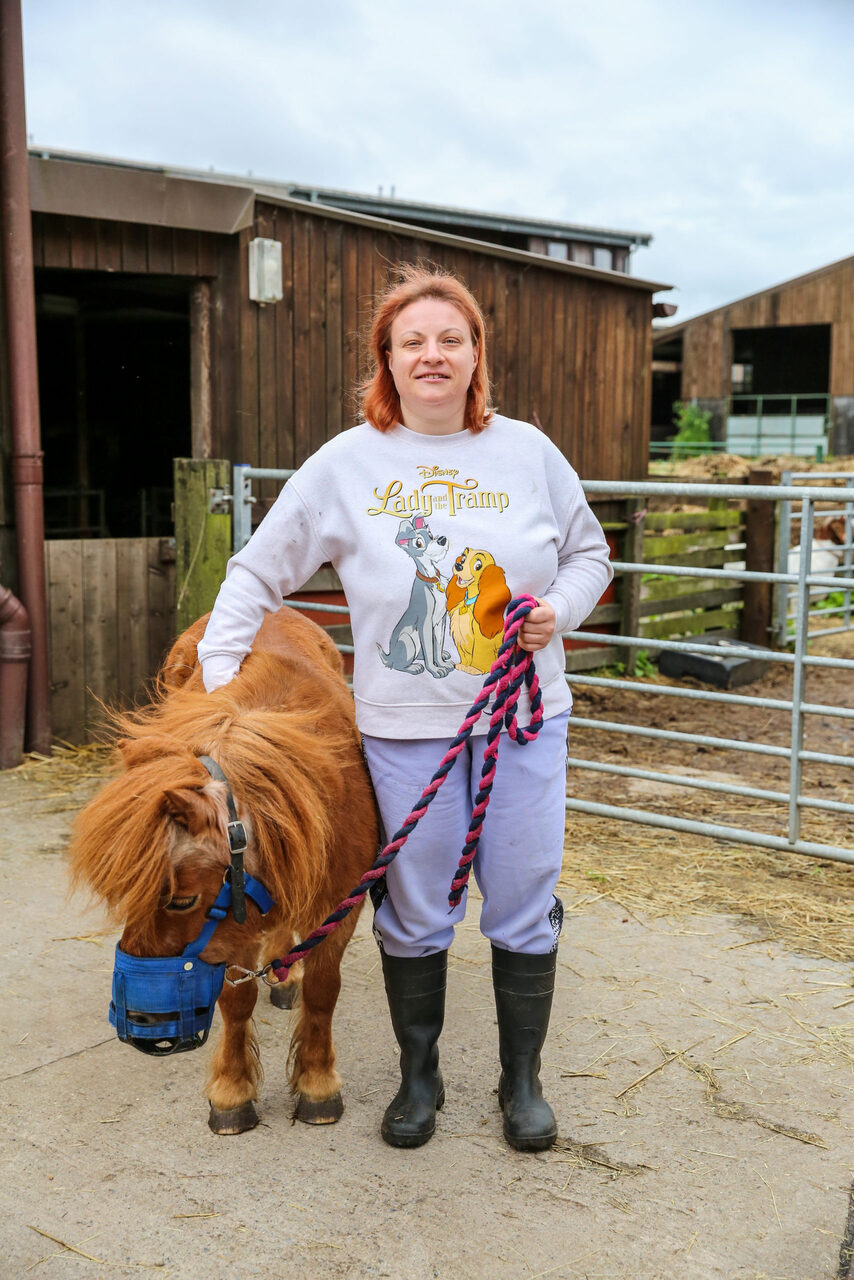
Spring is a time of renewal and growth. Participants focus on planting seeds, nurturing seedlings, and caring for young animals. These energising activities bring hope and excitement, mirroring the sense of new beginnings in nature.
Spring also marks the start of the “farm to fork” journey. Early crops such as salad leaves, herbs, and root vegetables begin to appear in our gardens, later finding their way into seasonal recipes in our cafés and bakeries. This hands-on connection between growing and cooking reinforces healthy living and brings real pride in seeing food go from soil to plate.
Summer: abundance and connection
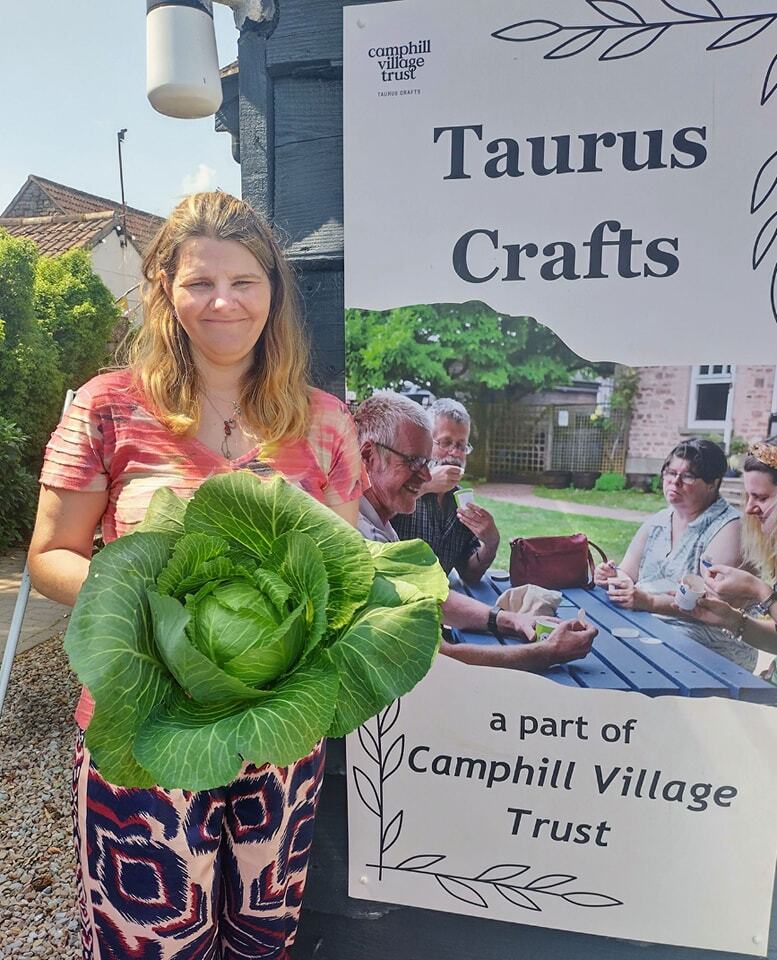
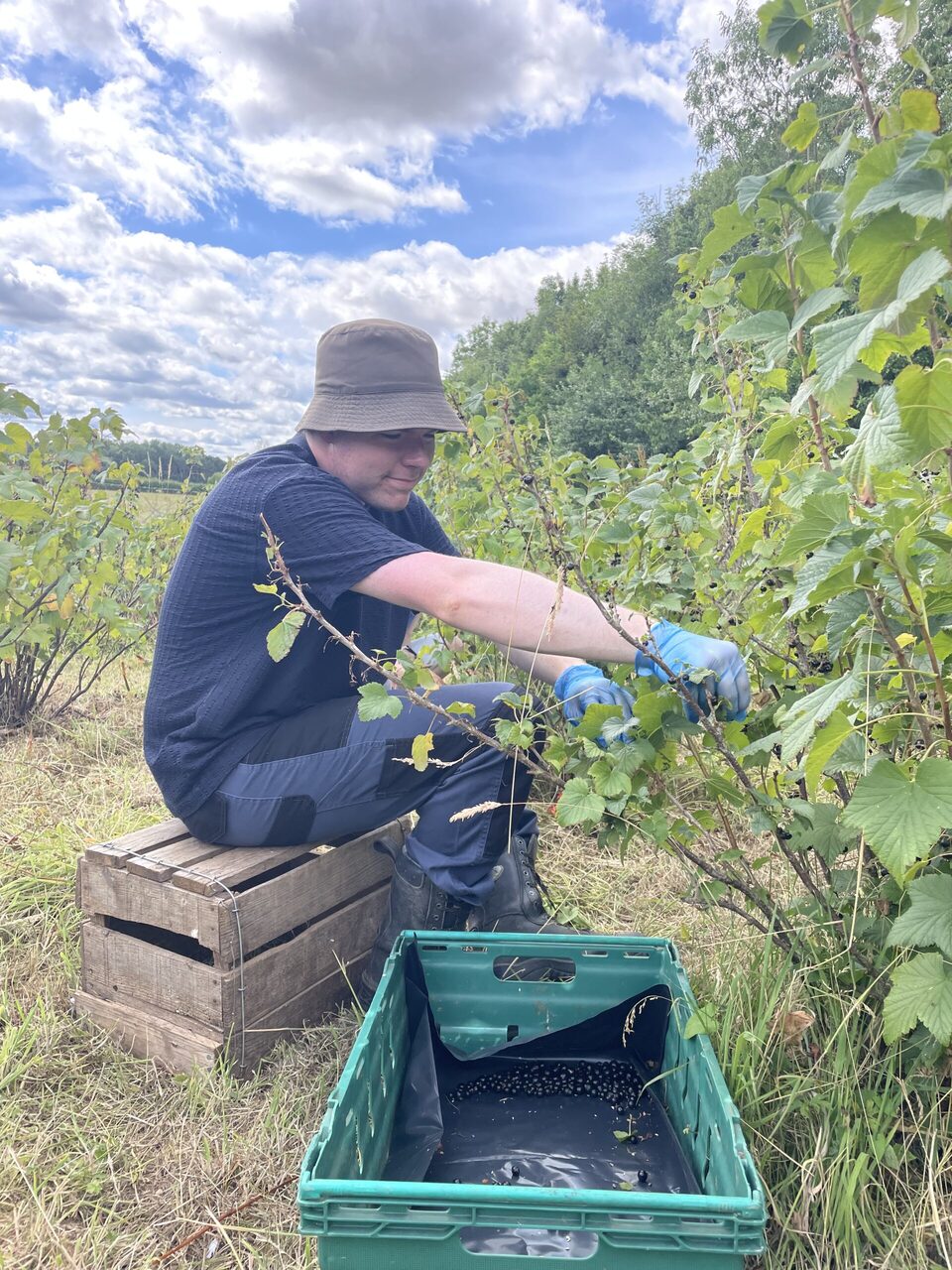
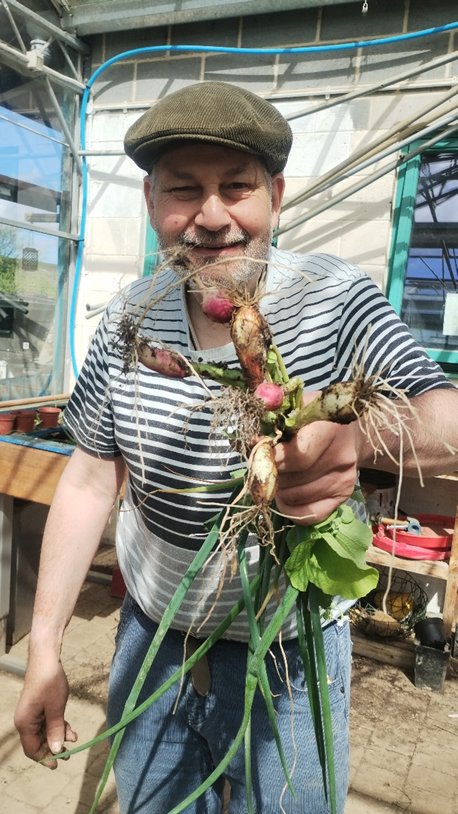
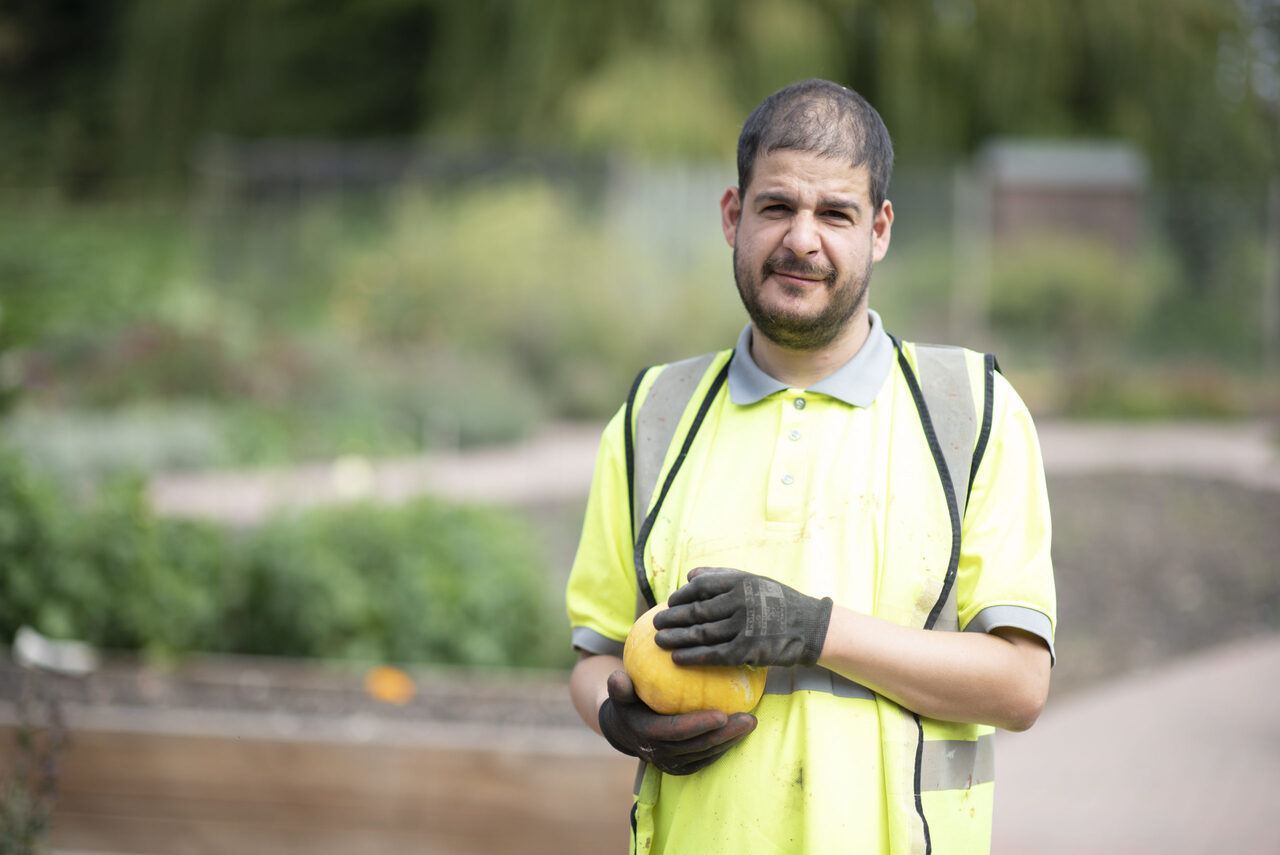
Summer brings harvest time, longer days, and opportunities to gather. It’s a season for maintaining gardens, collecting produce, and coming together for community celebrations. These moments highlight teamwork and shared achievement, helping participants feel a strong sense of belonging.
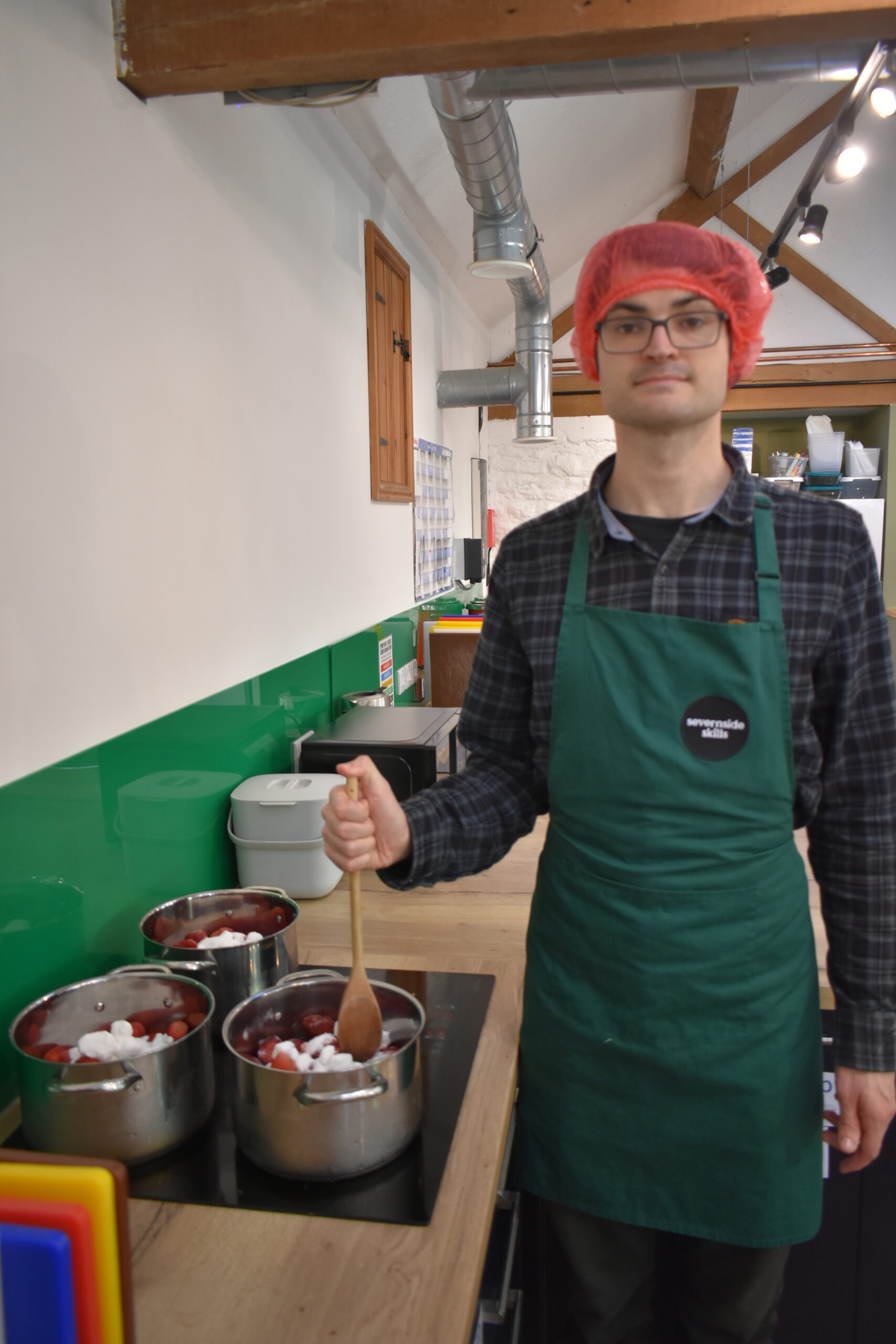
The abundance of summer produce also shines in our kitchens. Soft fruits are turned into jams, fresh vegetables become salads and light meals, and bakery projects reflect the richness of the season. Participants learn practical cooking skills while enjoying the satisfaction of tasting food they’ve helped grow.
Autumn: slowing down and preparing
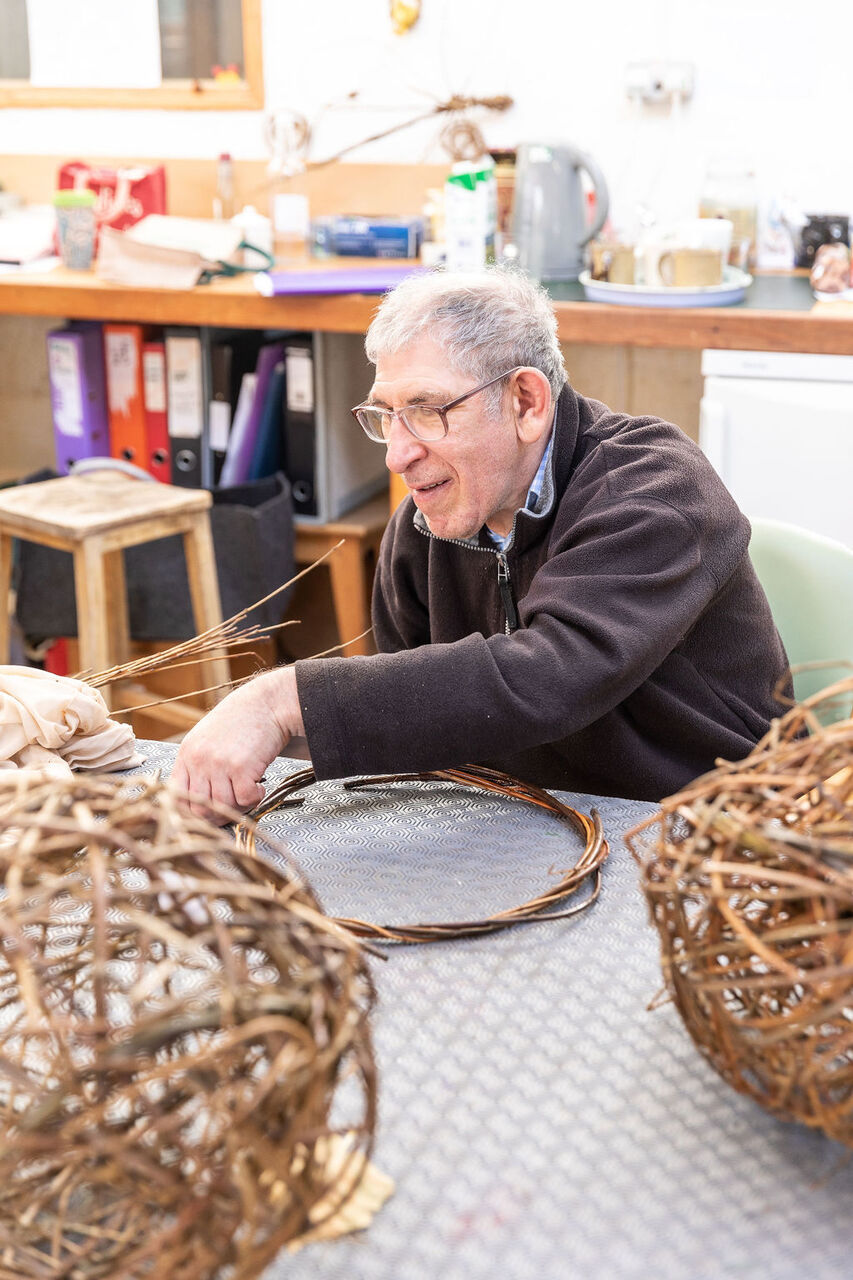
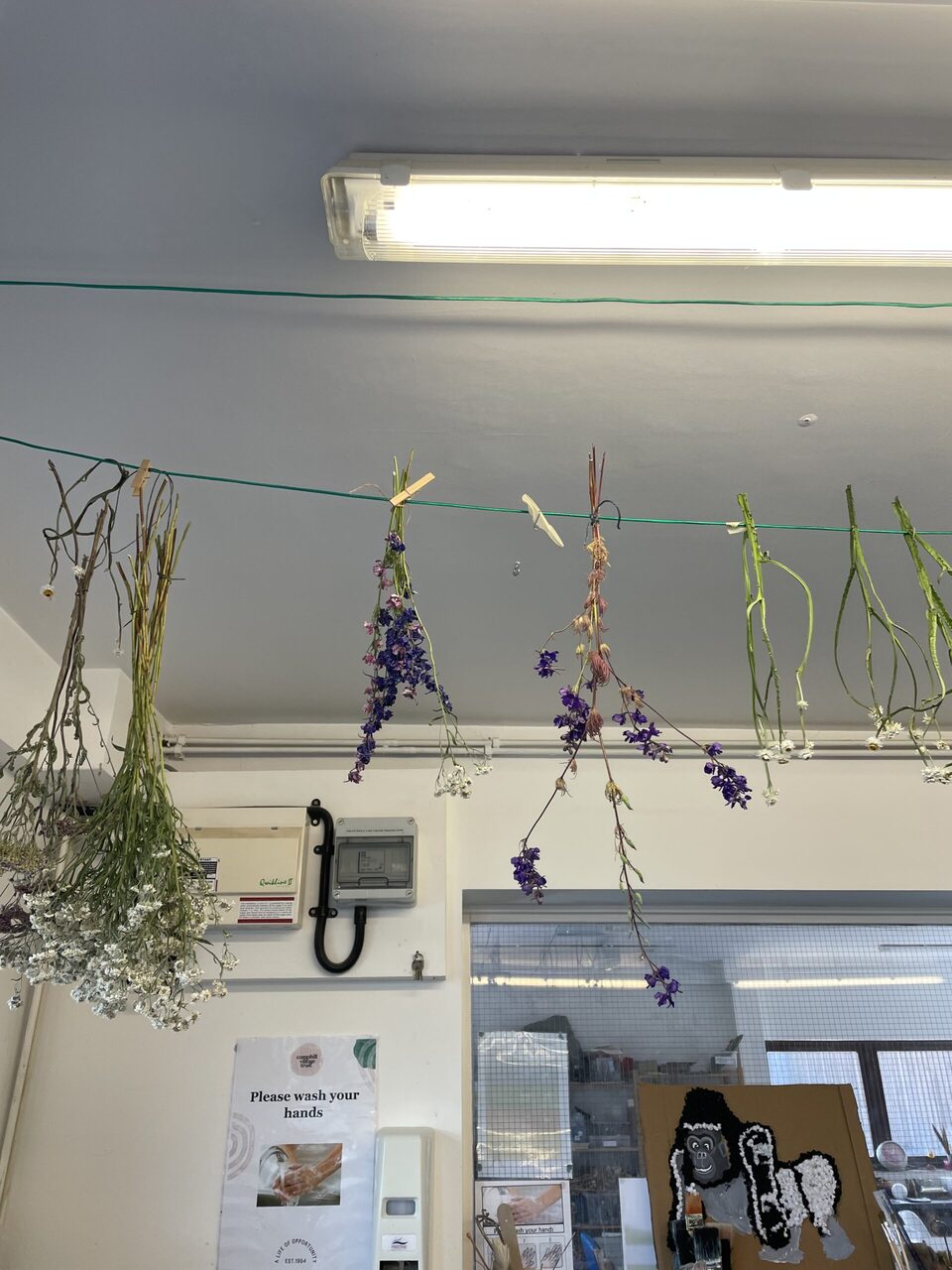
As the days shorten, activities shift towards preparing the land for winter, creating crafts with natural materials, and reflecting on the year’s work. This slower rhythm encourages mindfulness and offers a chance to celebrate personal progress, whether that’s finishing a project or starting something new.
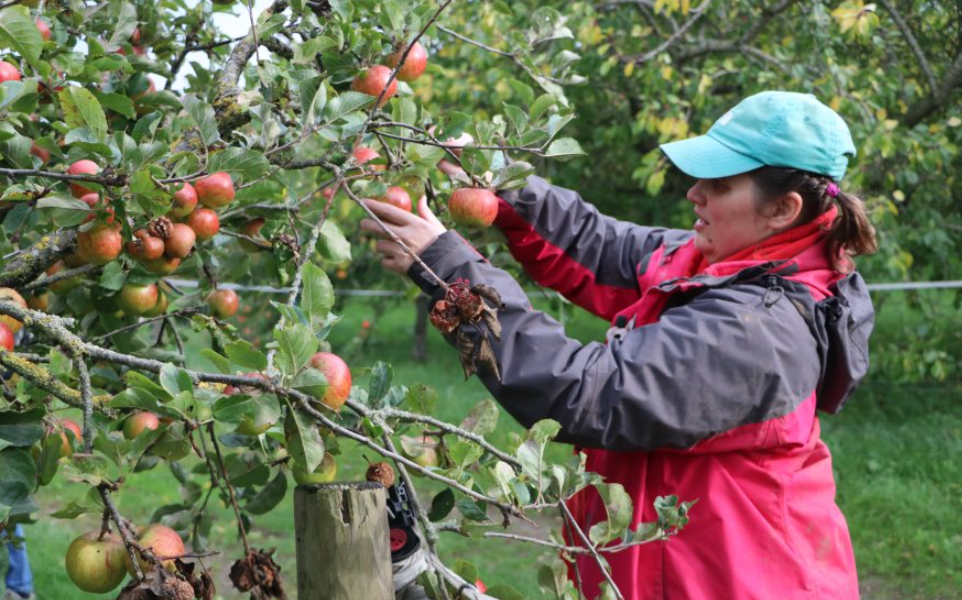
In the kitchen, autumn brings warming soups, preserves, and baking projects using the harvest of apples, squashes, and root vegetables. The farm to fork connection is clear — what has been grown and gathered through the year now becomes comforting food for the colder months ahead.
Winter: conservation and reflection
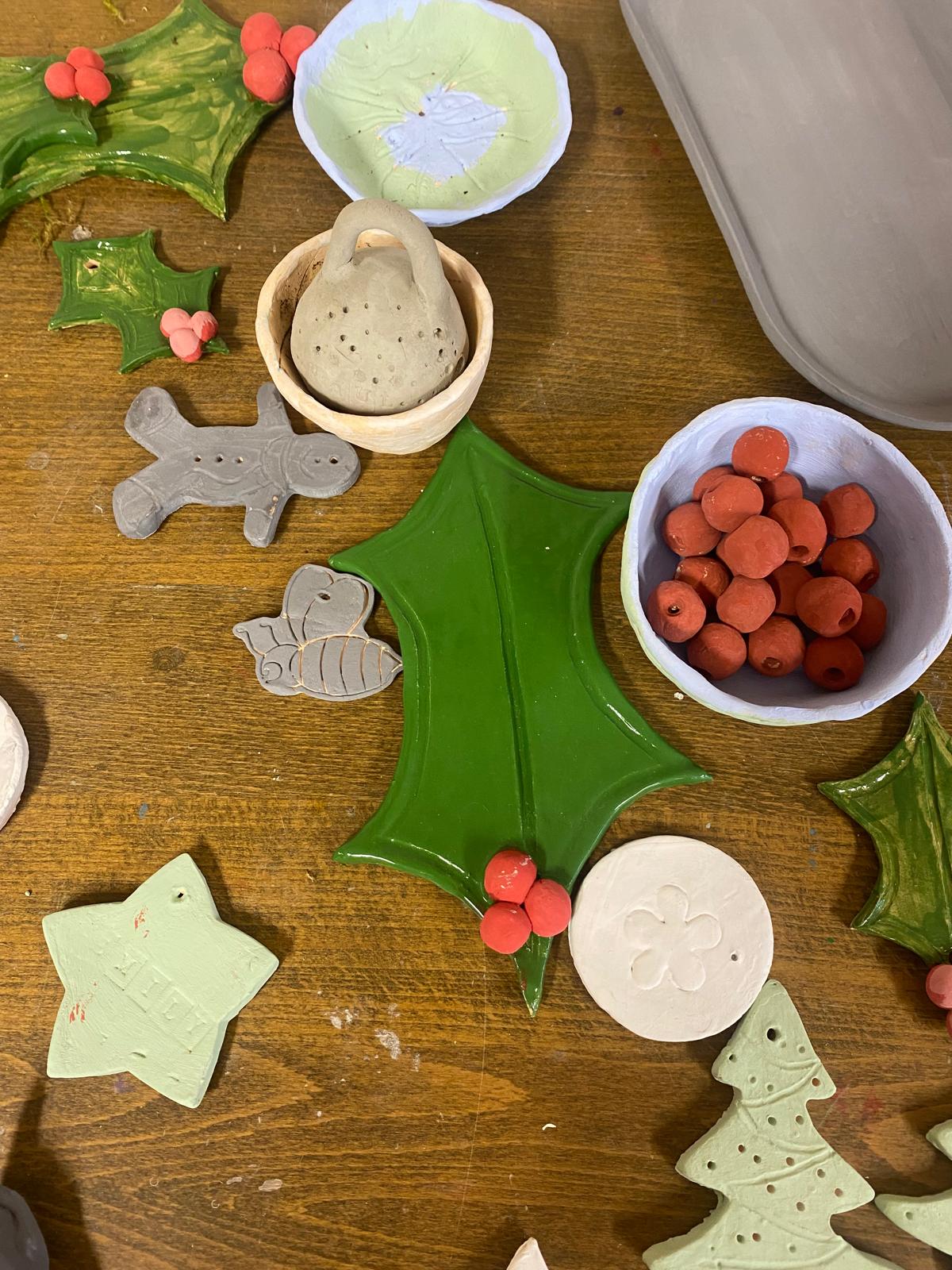
Winter is a time to conserve energy and look ahead. While outdoor work continues in the form of conservation projects, many activities move indoors. Skills such as cooking, woodworking, and indoor gardening provide meaningful opportunities to learn and create, while also planning for the seasons to come.
In our bakeries and cafés, winter is the season for hearty bread, stews, and baking with stored or preserved ingredients. These projects keep the link to the land alive, showing how food grown earlier in the year can continue to nourish us even through the coldest months.

Celebrating the journey
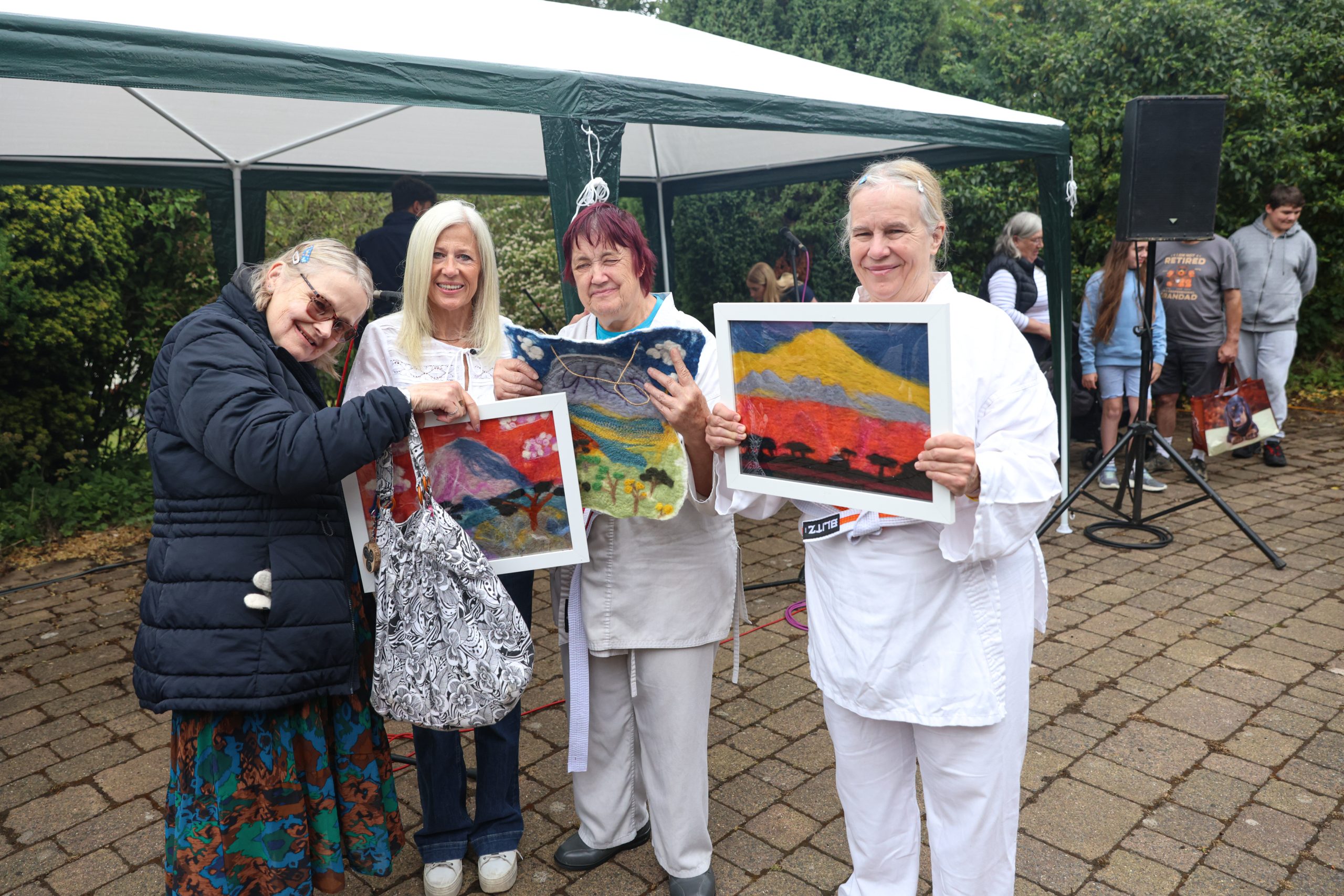
At the end of each season, we take time to reflect and celebrate achievements. Through journals, photographs, and achievement records, participants can look back at what they’ve accomplished — from small, daily successes to projects that may have taken months or even years. Flicking through these records, the changing seasons are visible in the colours, the surroundings, and the work itself. Each page tells the story of growth, progress, and connection.
The value of working with nature’s rhythm
By following the natural cycle of the year, our programmes create structure and meaning that feel instinctively human. For adults with learning disabilities, autism, and mental health support needs, this approach helps to nurture wellbeing, social connections, and provide a sense of pride in personal achievements.
Above all, our Nature-based Therapies and Skills Programmes are about more than the tasks at hand. They offer a therapeutic rhythm that mirrors life itself — one that helps people feel grounded, valued, and part of the world around them.
Find out more or get involved
Each season runs for 13 weeks, and participants can apply to join at the beginning of any season. From there, they can continue through the seasons for as long as they wish, taking part in a natural cycle of growth, creativity, and reflection.