Insights from Our CEO, Sara Thakkar
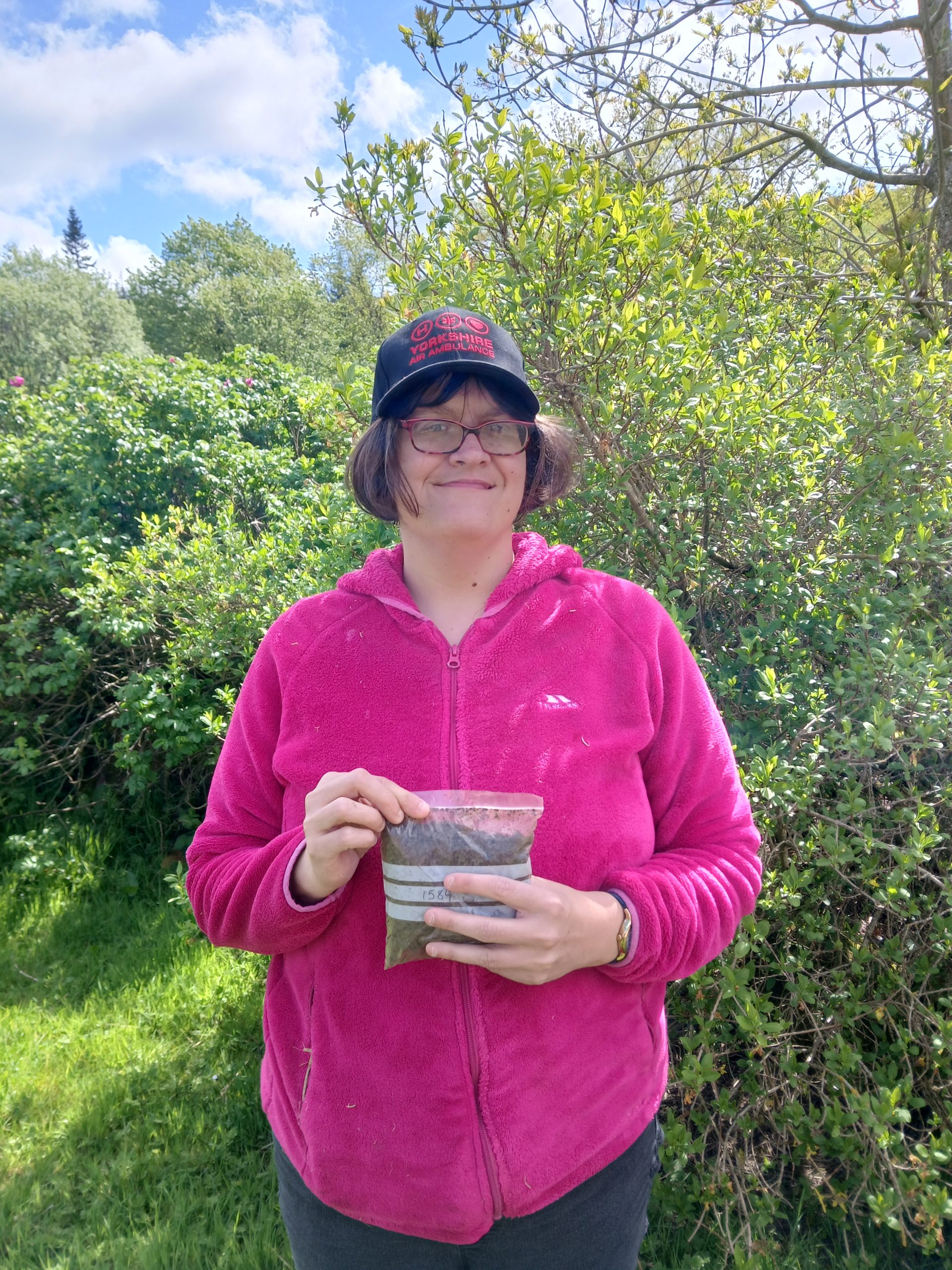
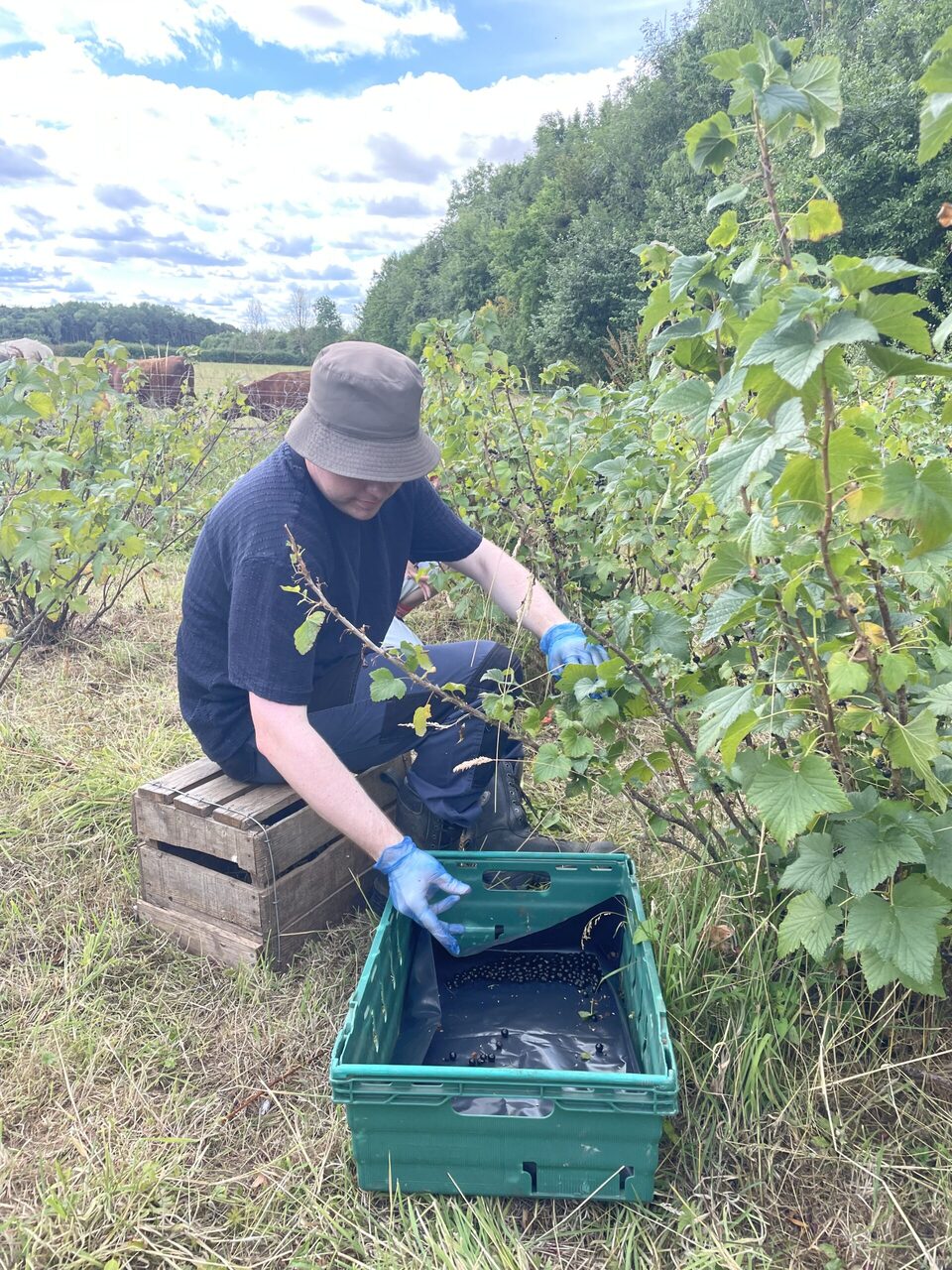
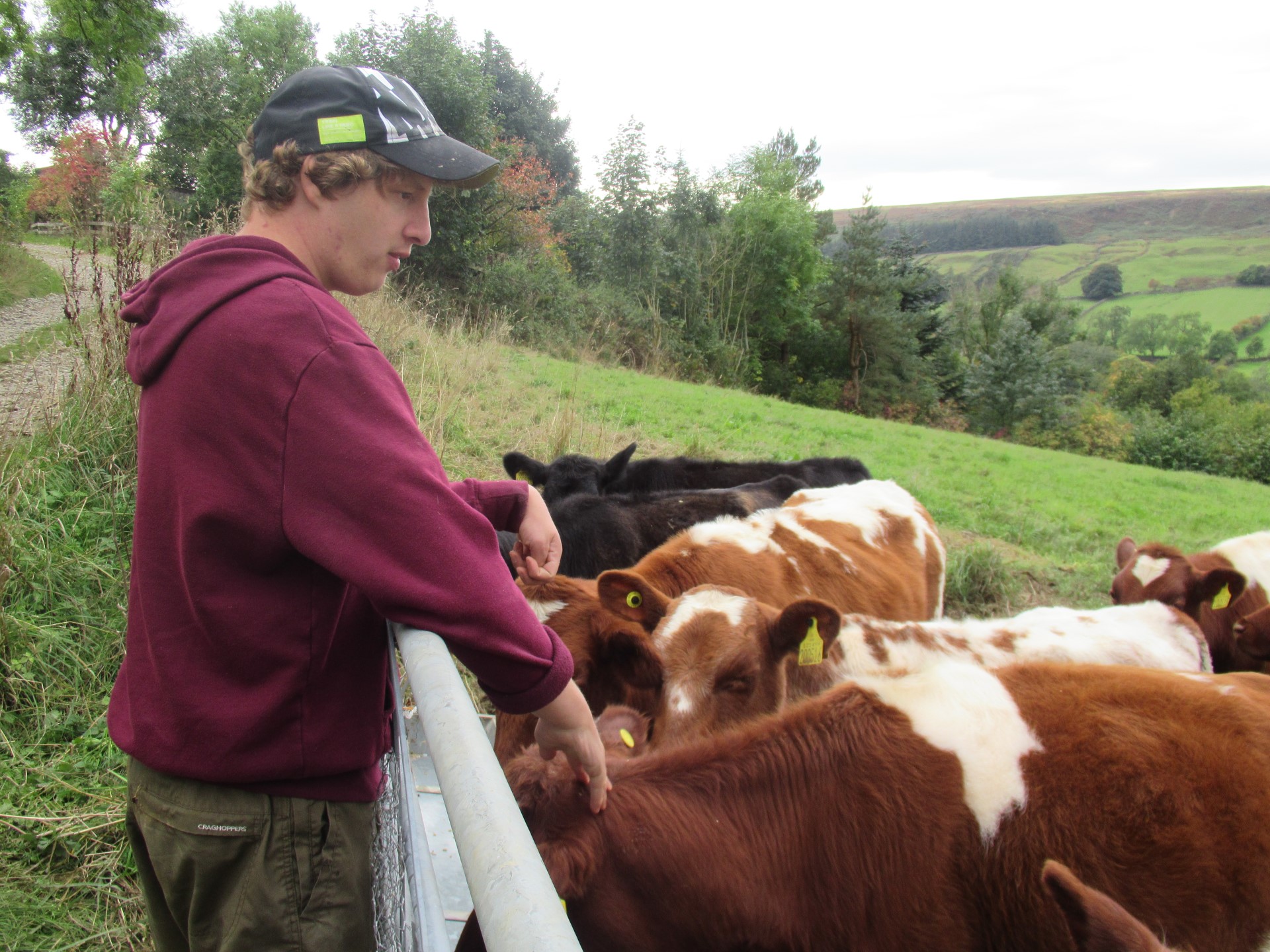
At Camphill Village Trust, nature is far more than a backdrop to the support we provide, it is central to the way we deliver care. Across our communities, we have over 900 acres of land, including working farms, gardens, woodlands and green spaces.
Our ethos has always been rooted in nature and the land. For decades, we have offered nature-based activities as part of our care, recognising their power to transform lives. Today, this has evolved into our Nature-based Therapy and Skills programmes — supported activities that are deeply nature-based and designed to nurture health, wellbeing, skills, independence and connection.
There’s growing research that supports this, such as the National Evaluation of the Preventing and Tackling Mental Ill Health through Green Social Prescribing (GSP) Project, which shows the powerful impact of nature-based activity on people with mental health support needs. The study found that many participants’ happiness, anxiety levels, and life satisfaction improved dramatically – in many cases, rising to match national averages after engaging with nature.
Nature is Essential — Not Optional
“Nature is not just a benefit, it’s essential. The way in which we provide access to nature is an essential part of being a healthy and well person, physically and mentally.”
She points to the stark reality that people with learning disabilities die, on average, 20 years earlier than the general population, which was a finding in the Learning from Lives and Deaths Report.
“If we think that’s a luxury, it isn’t — it is a human right. Every human has the right to a healthy environment. Nature isn’t just pleasant, it’s transformative. It can change lives.”
Nature supports dignity, equality, and belonging, creating the conditions for people to live fuller and longer lives.
What Nature-Based Social Care Looks Like in Practice
Sara explains that, at Camphill Village Trust, our approach blends adult social care with nature in everyday life:
“Our supported living offer is deeply rooted in nature. Whether through our working farms, gardens or woodlands, people live in environments where nature is part of daily life.”
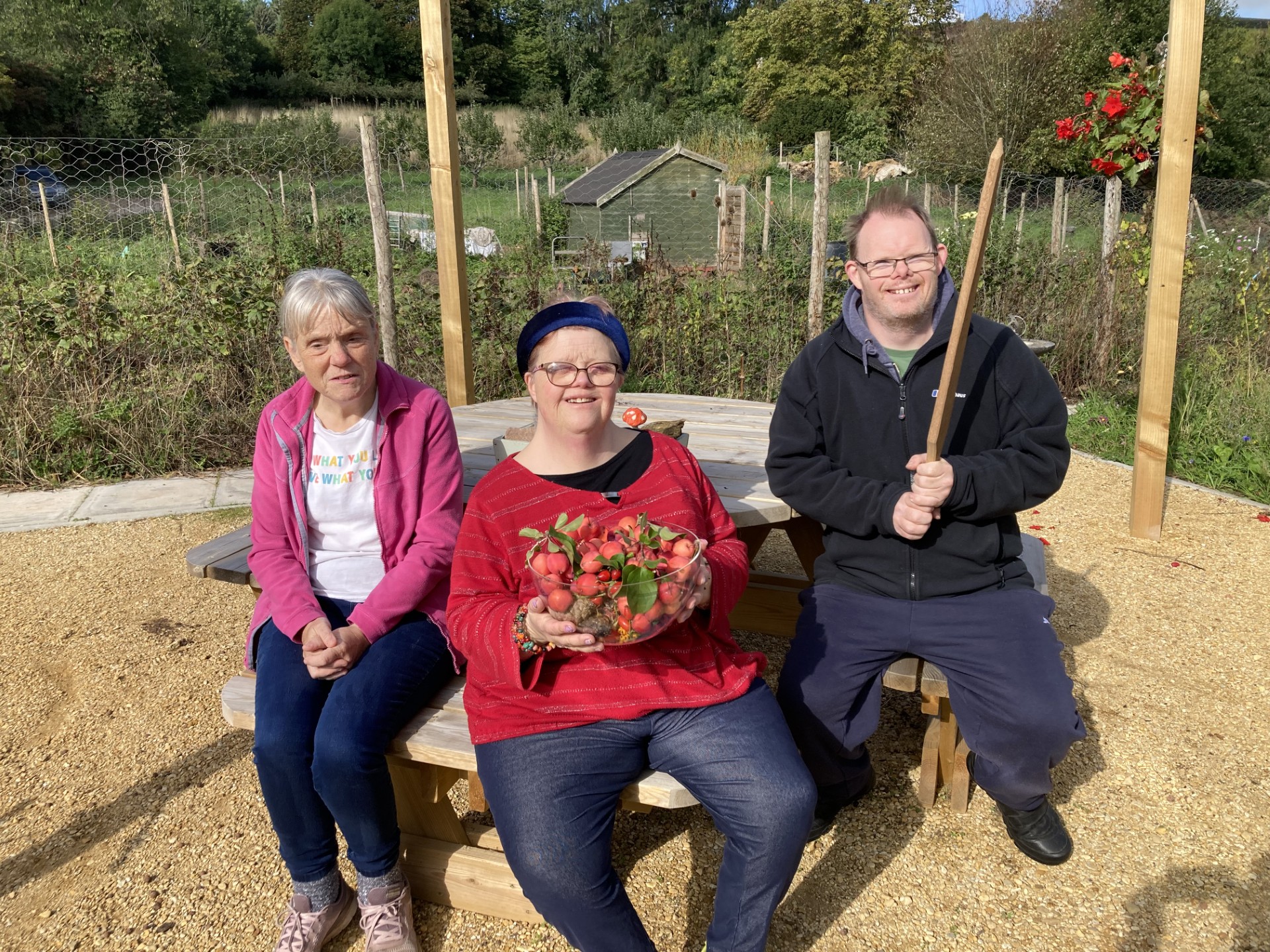
Seasonal rhythms are woven into the fabric of our communities. From seasonal decorations in our homes to shared festivals, nature is part of how some of the people we support mark time and connect with their surroundings.
As Sara explains, “Some of the people we support don’t necessarily see or feel time in a neurotypical way, so those seasonal rhythms give them a real sense of connection” – both to nature and to events in their communities.
Our approach also extends into everyday living and support plans:
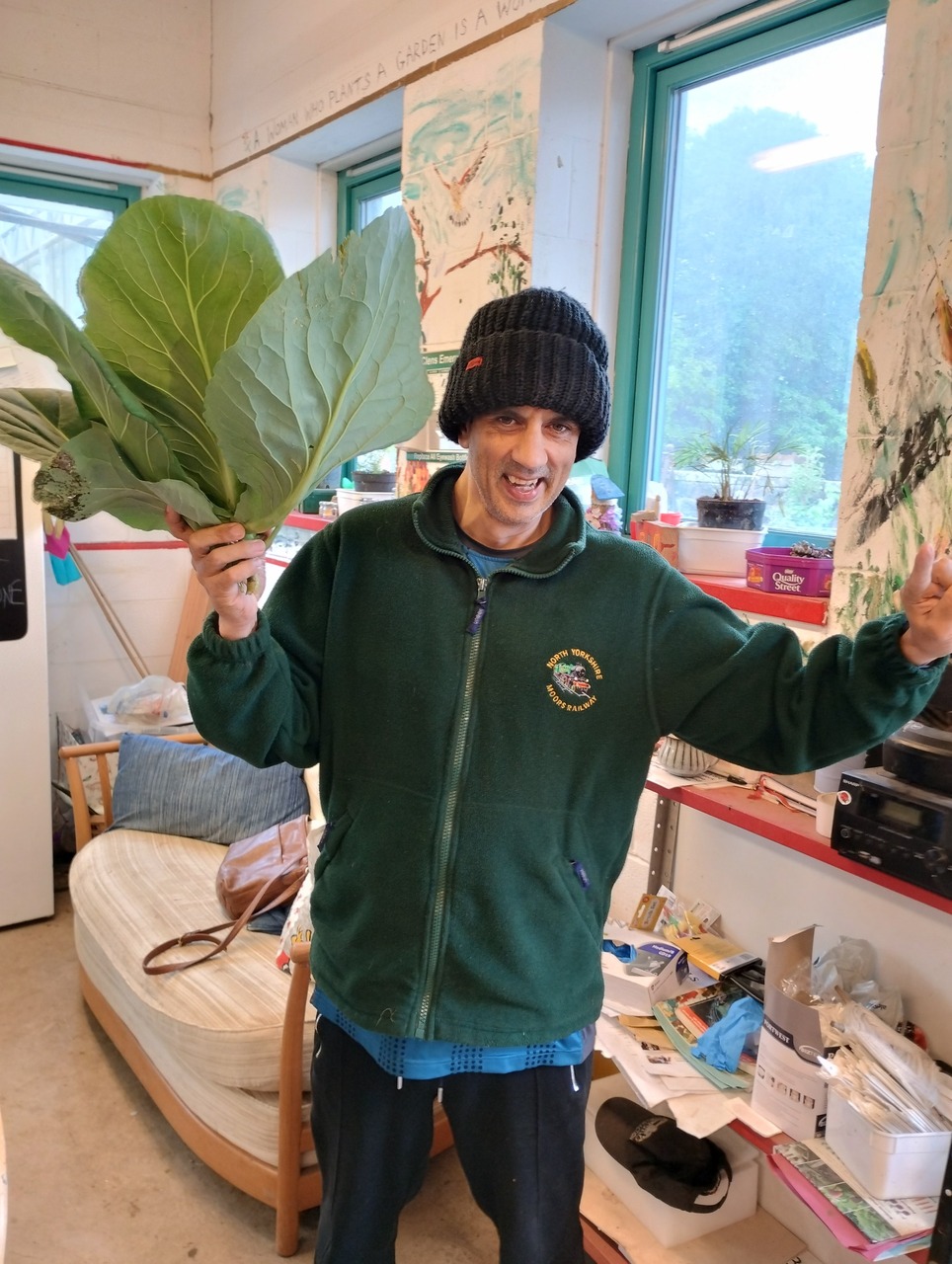
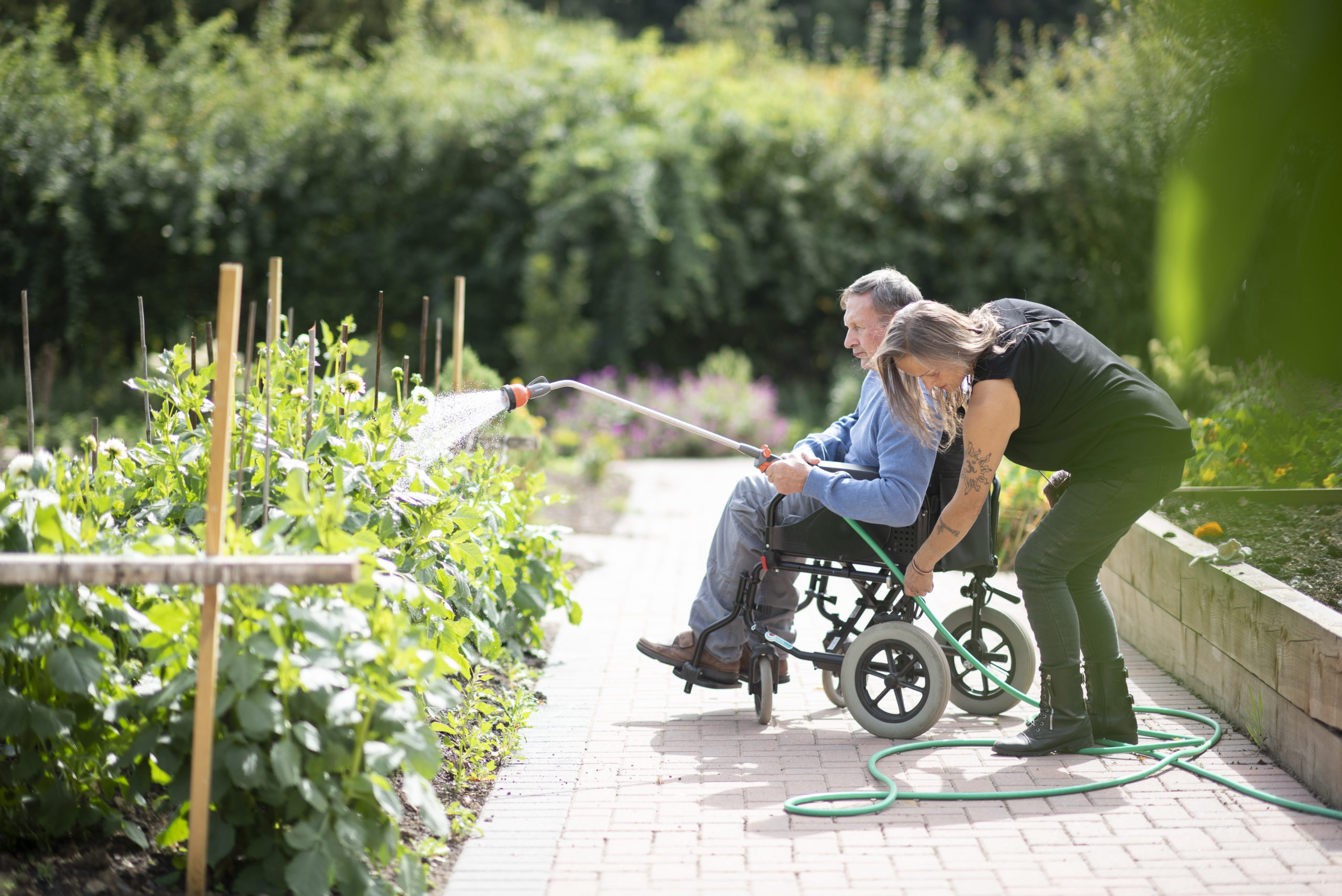
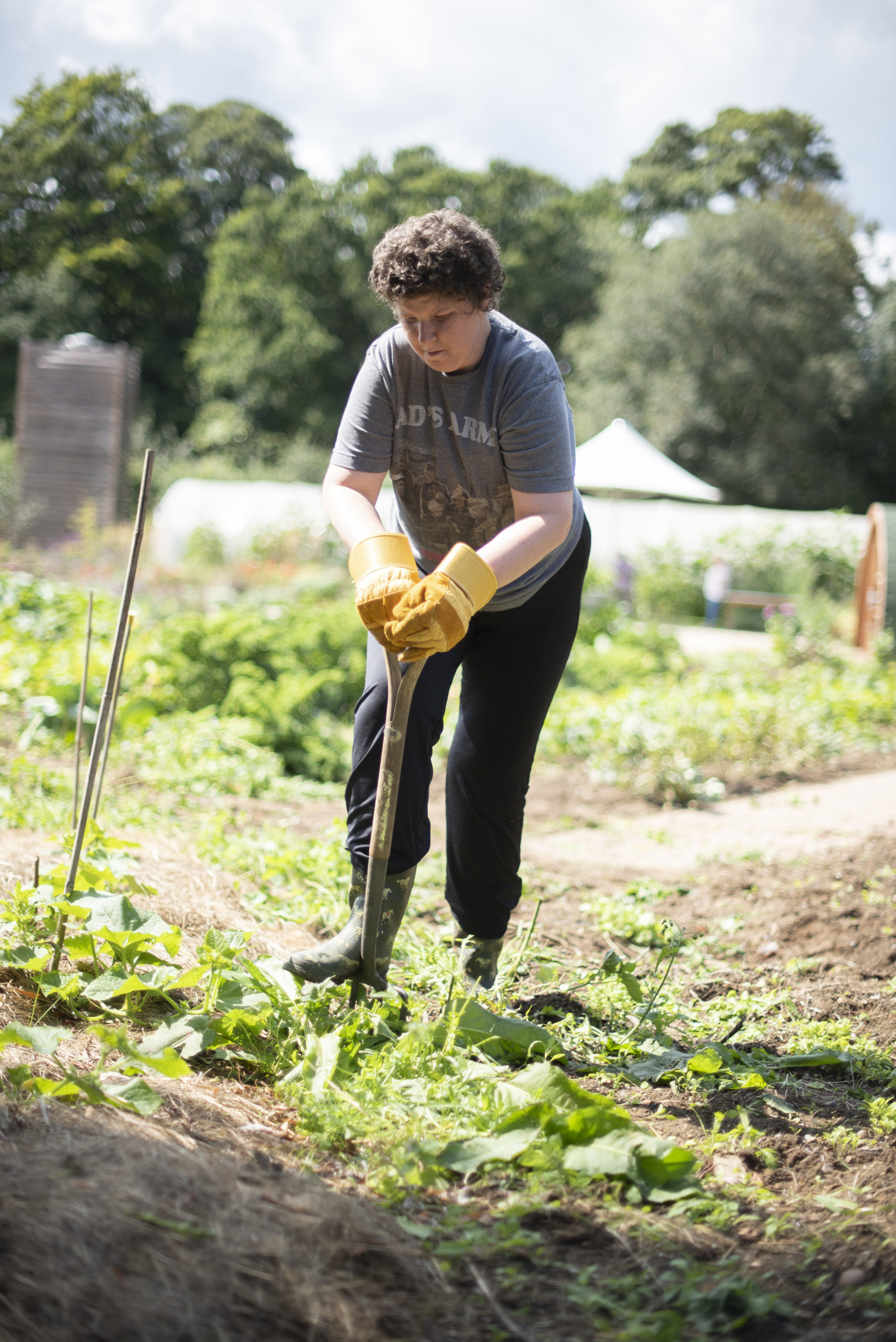
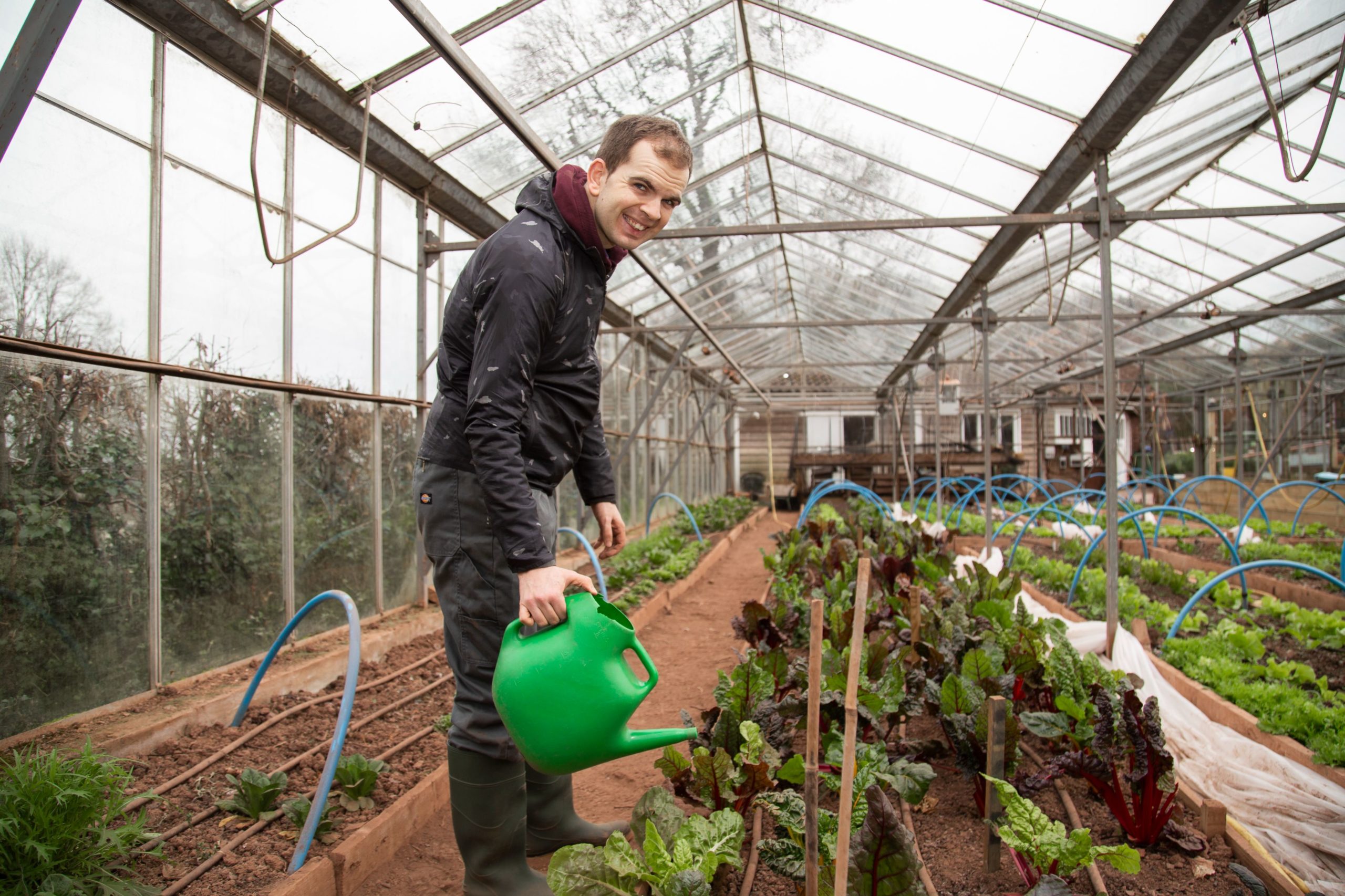
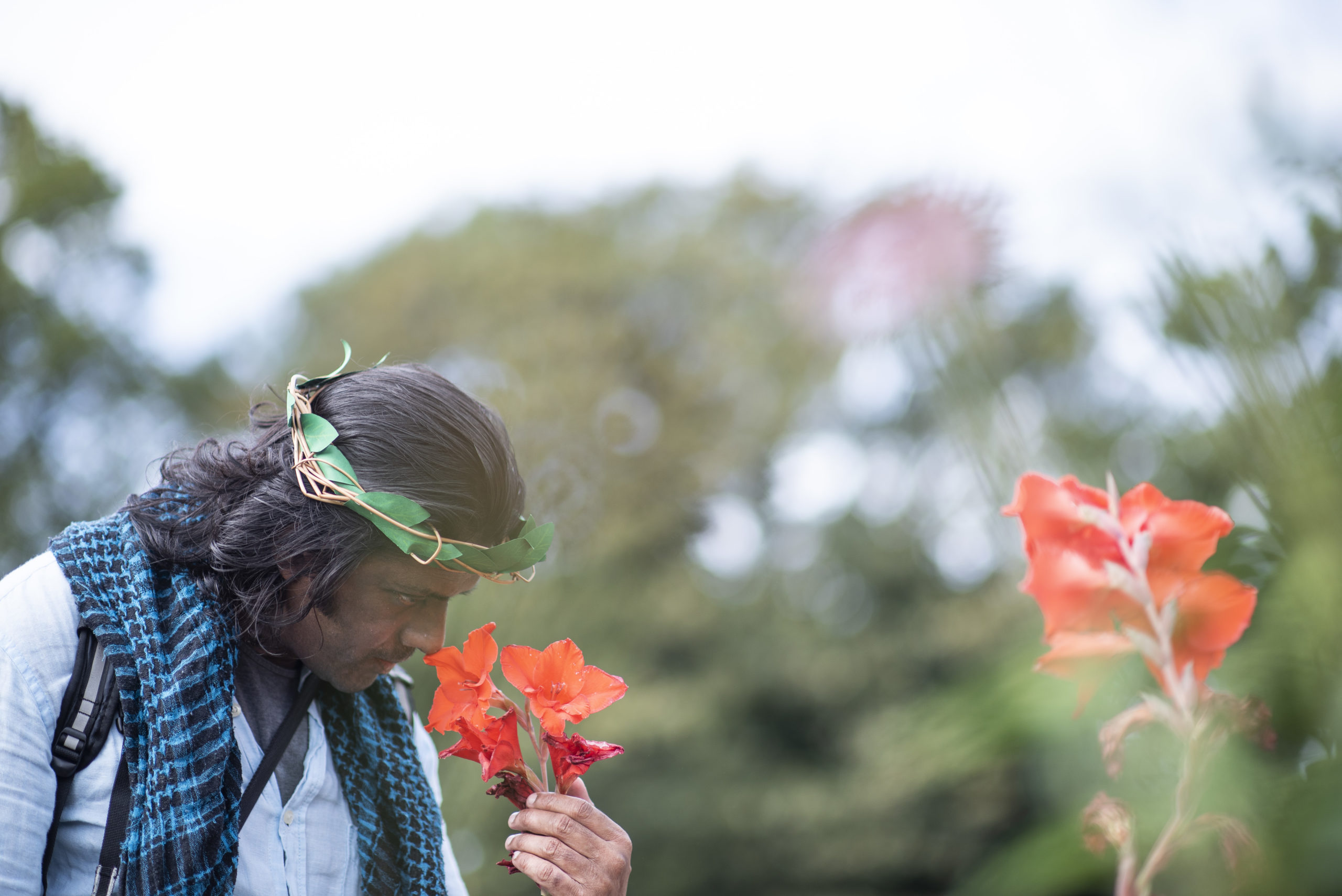
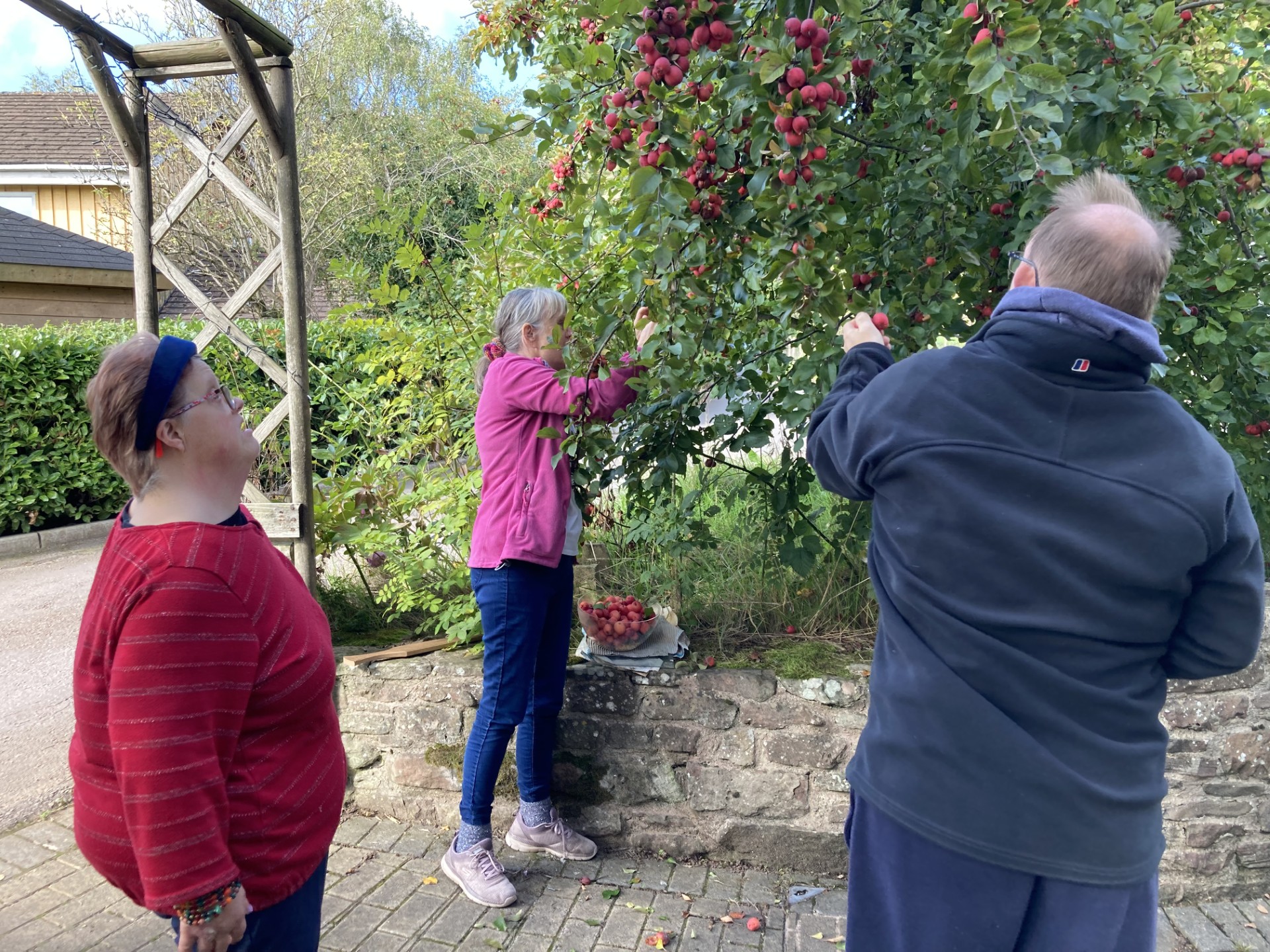
“Green activities are woven into housework and culture. Even those with less physical ability can access nature through craft, horticulture, caring for plants, or simply being outdoors.”
Sara describes how healthy eating also links to nature-based care:
“There’s something powerful about growing and preparing your own food. It’s about physical health, nutrition, and emotional wellbeing — and it links back to our history of living self-reliantly, growing our own food and caring for the land.”
Nature and Purpose: Building Identity and Wellbeing
For Sara, the benefits of nature-based care go beyond wellbeing. They create purpose and identity:
“People talk about their meaningful work — being a farmer, a craftsperson, a gardener. That gives identity, self-worth, equality and dignity.”
Purpose comes from being active members of a community:
“Nature-based work gives people equality: ‘I might do things differently, but I have the same self-worth and community value as anyone else’.”
This reflects our ethos of “doing with, not to” — working alongside people to empower them and offer choice, rather than deciding for the person the type of care they will receive.
How We Differ from Traditional Care Models
Sara explains that traditional social care often focus on making sure that risks are minimised and people follow a set routine – not personal growth and development:
“Our model focuses on personal growth and fulfilment. We work with ability, not risk. People we support can gain qualifications and live purposeful lives.”
At Camphill Village Trust, care does not only happen in scheduled support hours. It is part of everyday life, rooted in nature:
Sara highlights that the Trust creates “communities, not institutions – vibrant, intentional environments where people can live, learn and thrive.”
Overcoming Barriers to Nature-Based Care
Sara is clear about the barriers that still exist, including funding rules that don’t fully recognise nature-based therapy, transport and accessibility challenges, and the need for stronger policy support and evidence:
“Commissioning frameworks don’t always understand what nature-based therapy is. Transport and accessibility remain huge challenges. And there’s a need for greater policy recognition and evidence of impact.”
She emphasises the importance of advocacy and sector collaboration:
“We need joined up thinking between social care, health, and environmental sectors to maximise opportunities and overcome barriers.”
Looking Ahead: Our Vision for the Future
Sara’s vision for Camphill Village Trust is bold and clear:
“We want every community to have land and nature at the heart of its support. Nature, rights, and purpose must be inseparable from high-quality care.”
She believes this vision will define our legacy:
“Thriving communities that care for people and the planet together.”
At Camphill Village Trust, we don’t treat nature as an optional extra — it is woven into the heart of everything we do. This is because growing evidence shows that blending nature with adult social care delivers far more than enjoyment: it supports mental and physical wellbeing, builds skills and independence, fosters confidence, and can even contribute to longer, healthier lives. Through our Nature-based Therapy and Skills programmes, supported living, working farms, gardens and woodlands, we create environments where nature, rights and purpose come together — shaping a future where care and nature are inseparable.