What grassland fungi tell us about Botton Village
To mark World Wildlife Day, we’re sharing a story from Botton Village about how listening to the land can help protect rare and often overlooked species.
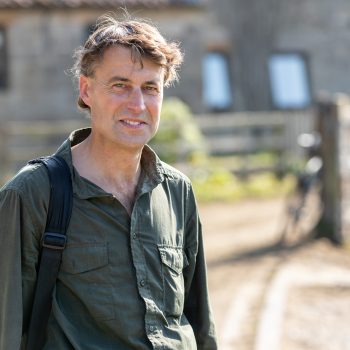
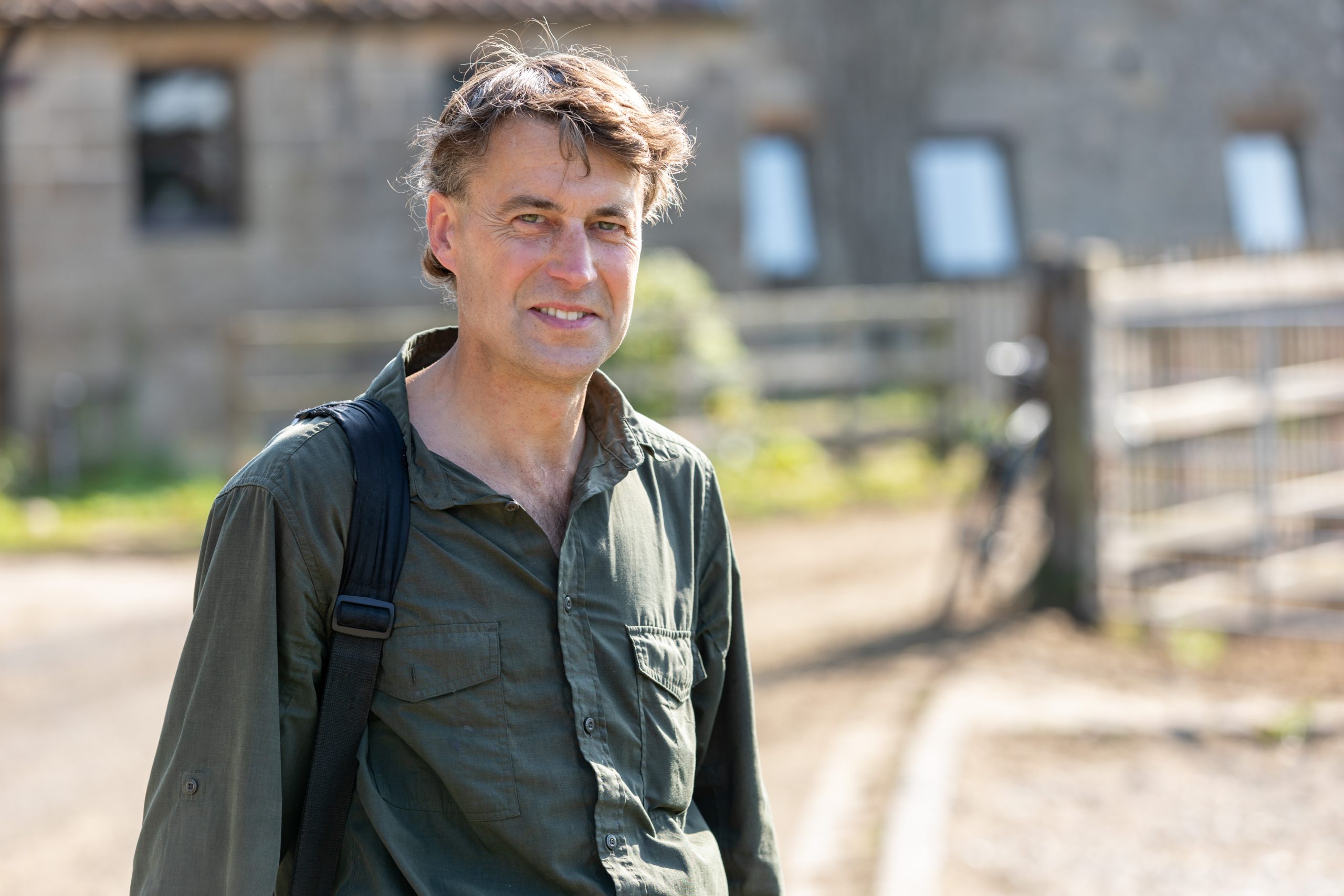
By Alan Ayres, Countryside Ranger Team Leader, Botton Village
When we talk about nature recovery, it’s often trees, hedgerows or wildflowers that come to mind. But some of the clearest signs of a healthy landscape are far smaller – and easier to miss. At our Botton Village community in North Yorkshire, they’ve been quietly thriving beneath our feet.
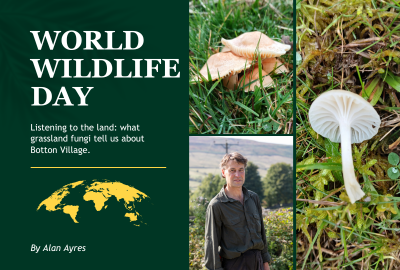
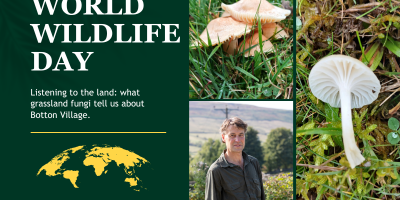
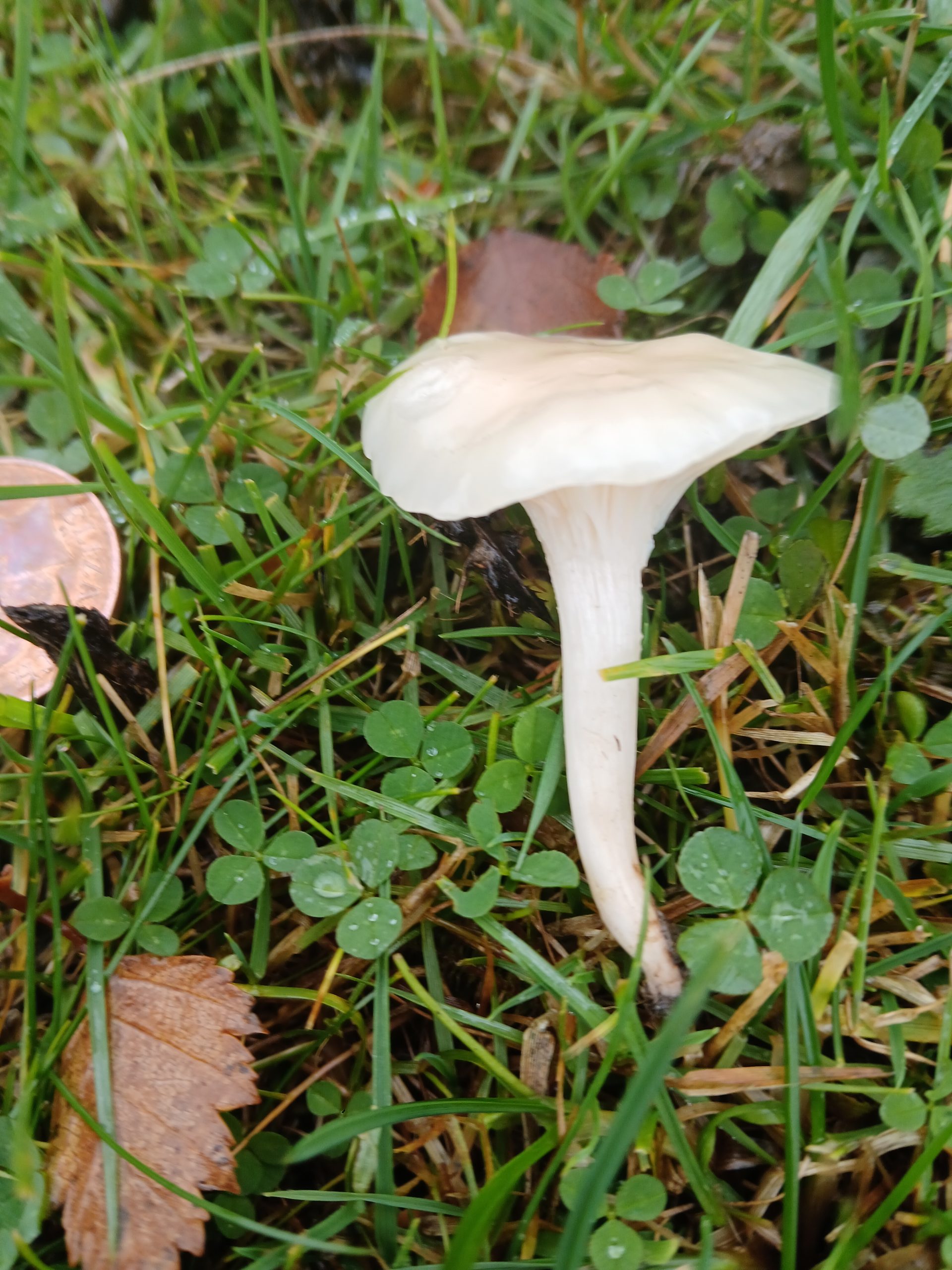
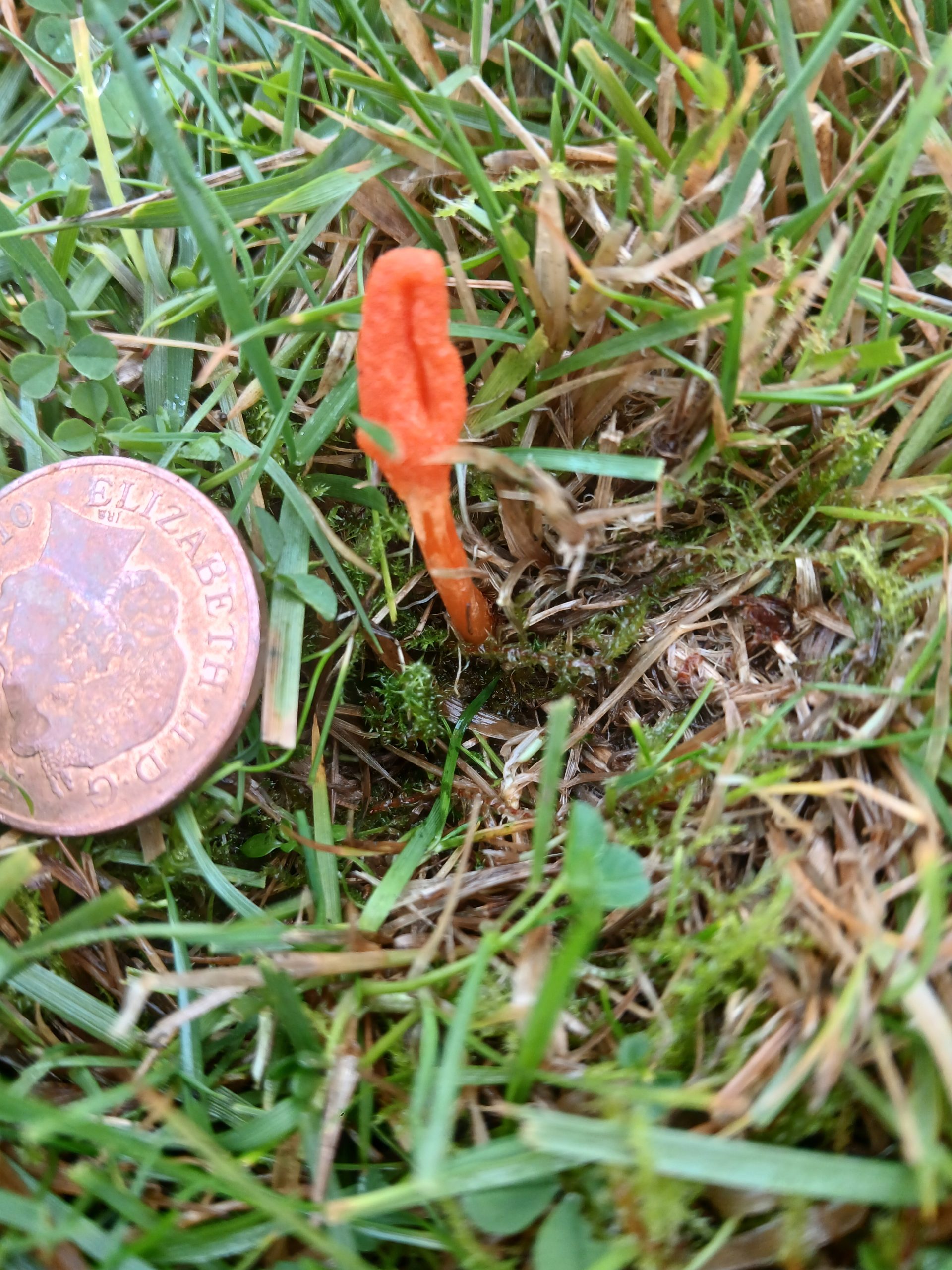
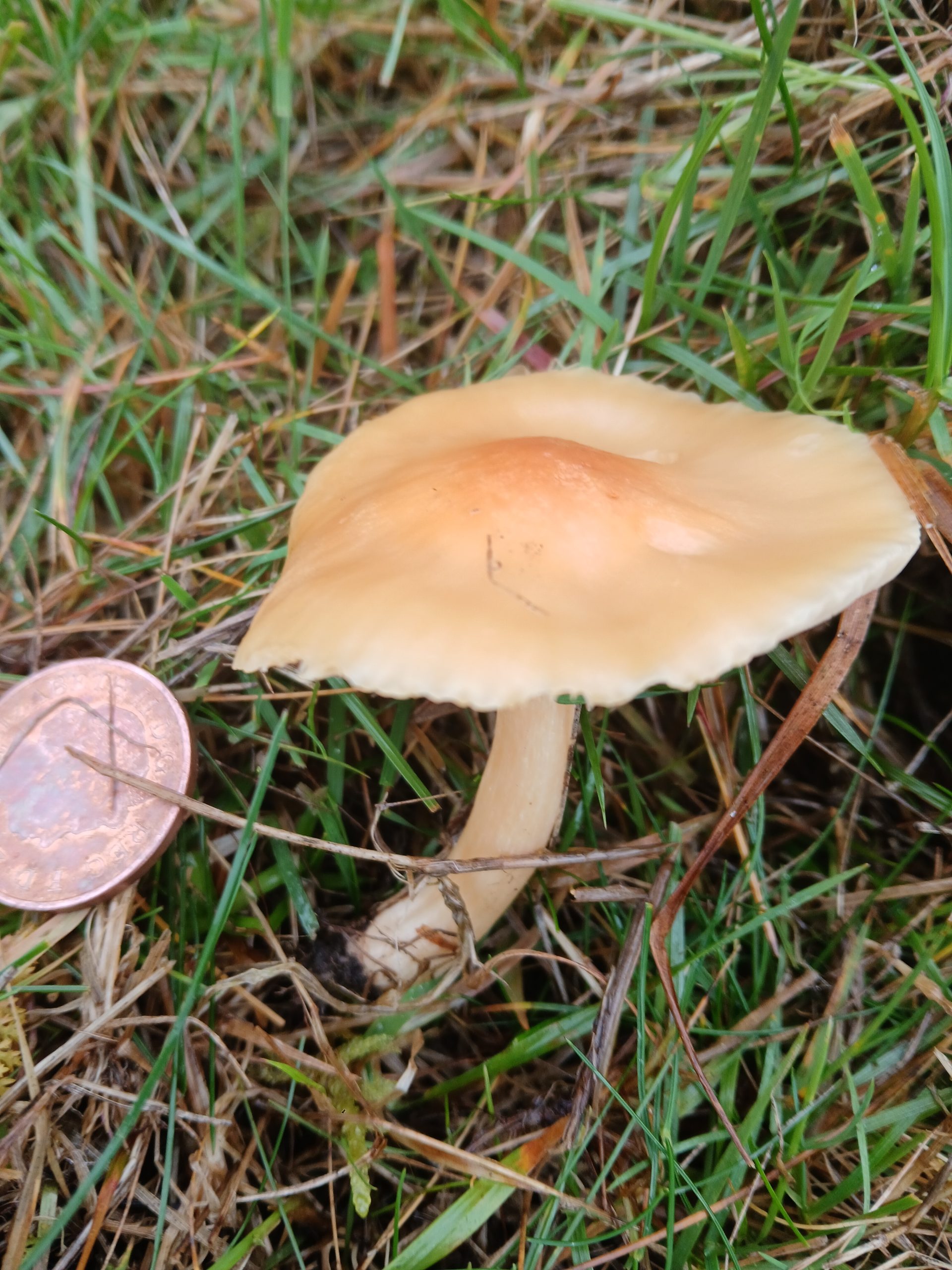
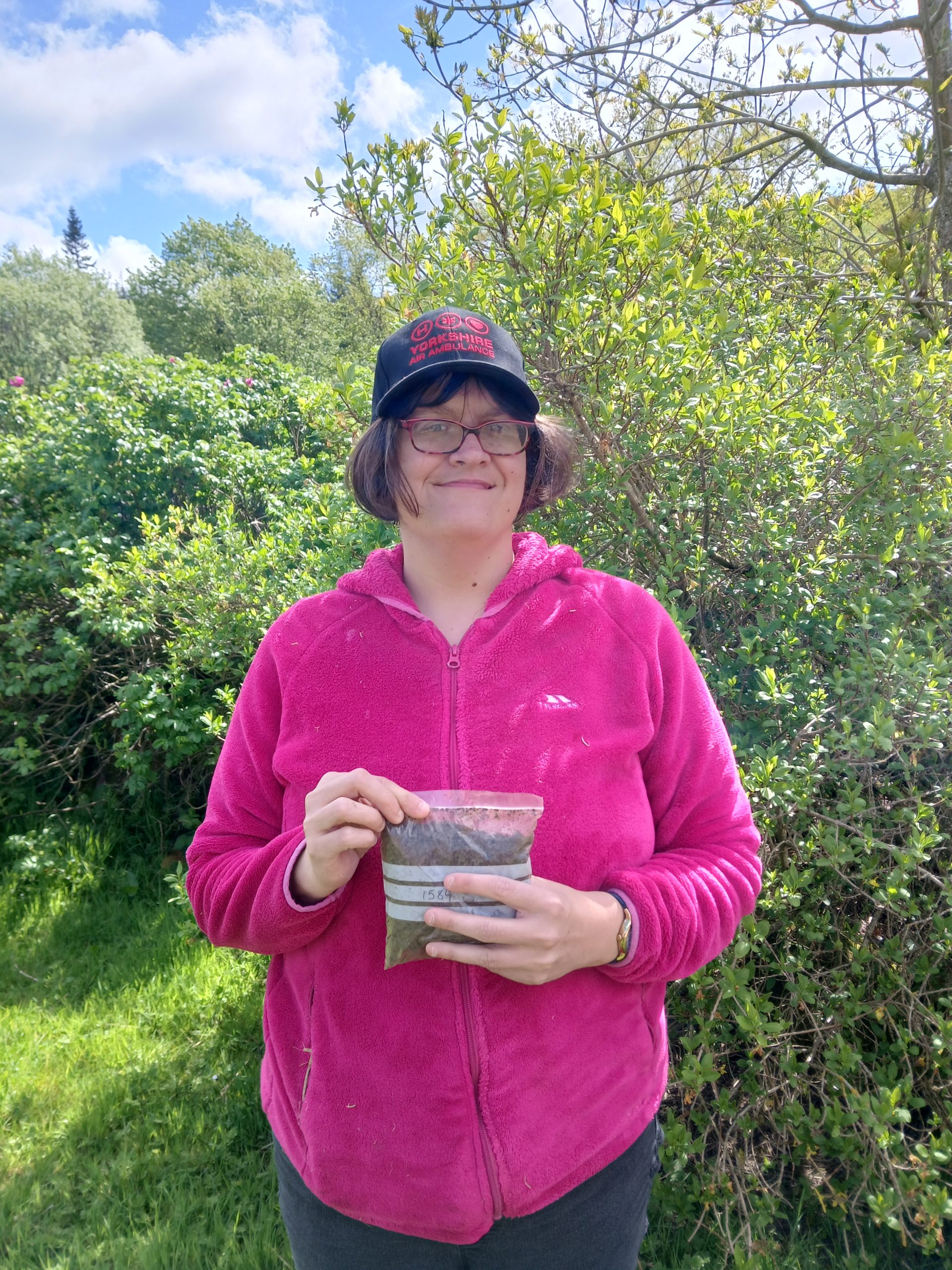
Over the past two years, ecological surveys during autumn time at Botton Village have revealed strong populations of grassland fungi, including several species of waxcaps. Waxcap fungi are amazing, although they are quite small; they are often brightly coloured, like the scarlet waxcap, or have a distinctive smell like the honey waxcap. They can be slimy, sticky, or smooth. These fungi only grow on unimproved grassland – land that has never been heavily treated with artificial fertilisers or pesticides.
-
- Alan Ayres
Why grassland fungi matter
Fungi rich grassland is a rare and threatened habitat in the UK. Conservation charity Plantlife says that grasslands of the UK are amongst the most important in the world for grassland fungi. Grassland fungi, and waxcaps in particular, are widely recognised as indicators of long-established, healthy grassland. They rely on nutrient-poor soils and long-term stability, which means they disappear quickly when land is intensively farmed or chemically treated.
As a result, waxcap-rich grasslands have declined dramatically over recent decades. Finding them in good numbers tells us something important: this land has been carefully managed for a very long time.
What makes Botton Village different
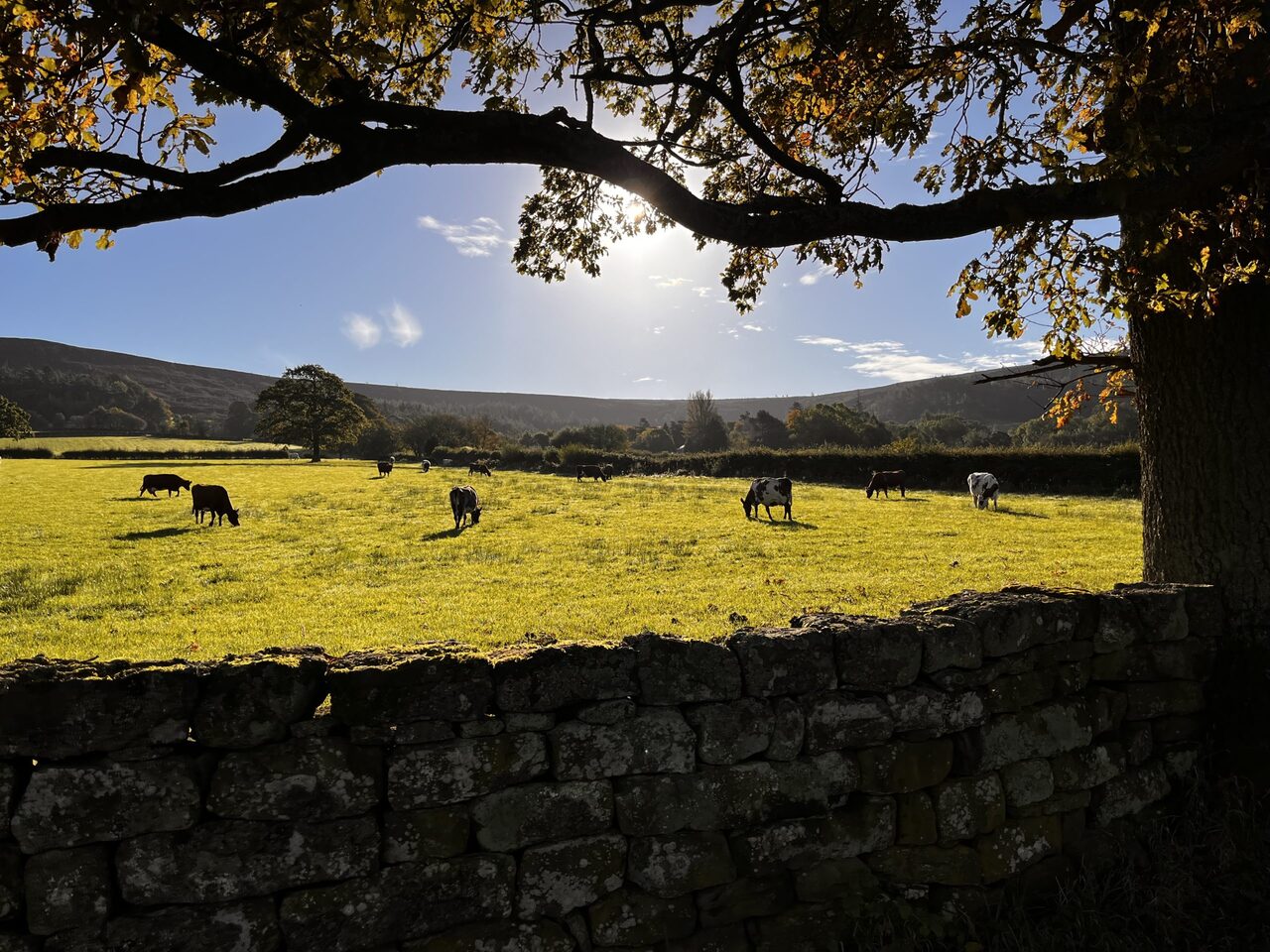
Botton Village’s land has always been managed organically. There has been no routine use of fertilisers or pesticides, and grassland management has focused on balance, patience and working with natural processes rather than forcing change.
That long-term approach is now paying dividends. The fungi we’re seeing today are not the result of recent intervention, but of decades of care and stewardship. In many ways, they are a living record of how the land has been cared for.
-
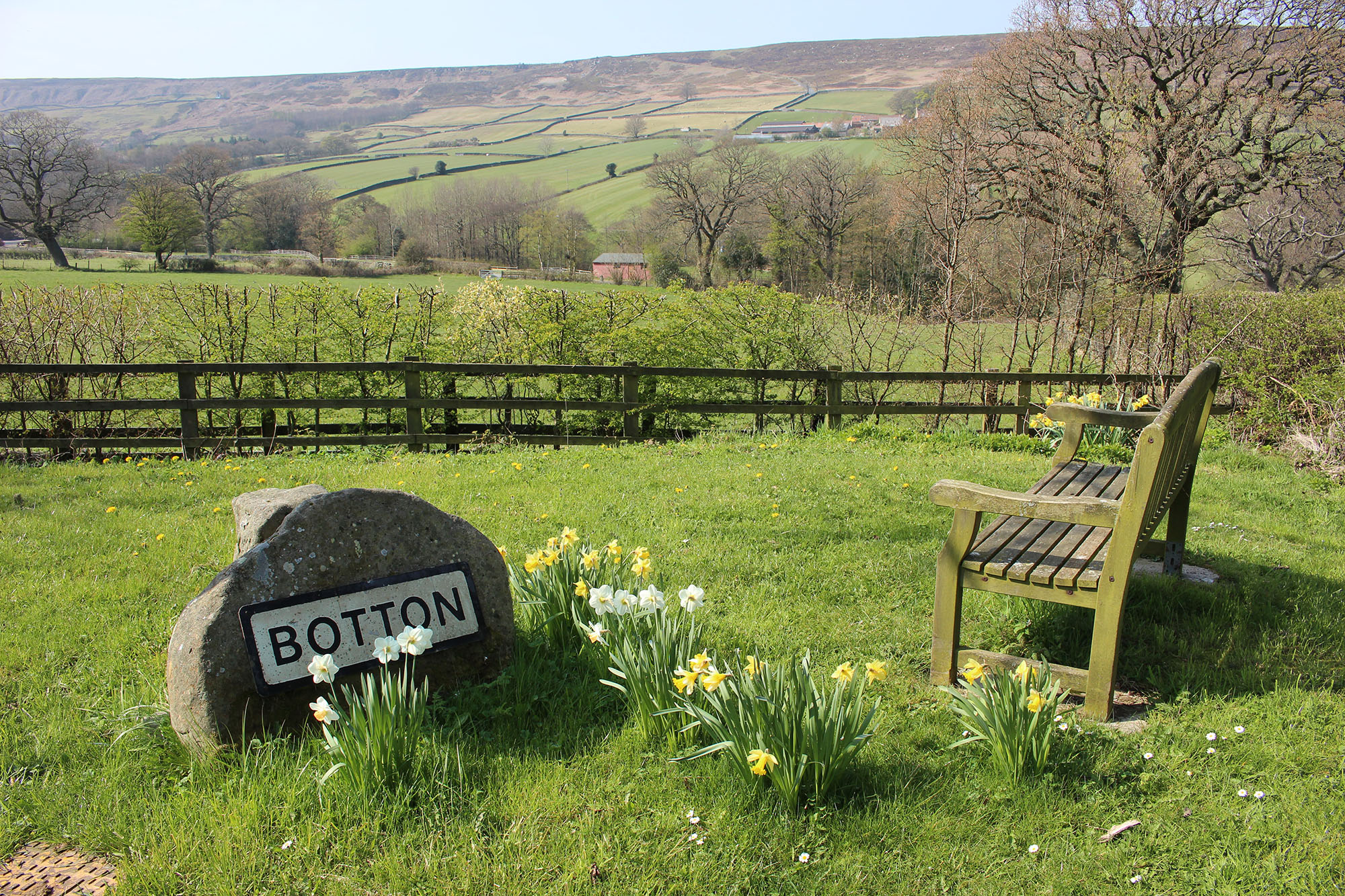
- Botton Village
When nature reshapes the plan
At Botton Village, we have ongoing plans to plant more trees as part of our long-term approach to sustainability. However, recent surveys have shown that some of the areas originally identified for planting support particularly important grassland fungi populations, prompting us to rethink where new trees can be planted without harming these rare habitats.
Rather than pressing ahead, we’ve paused the tree planting plans in Botton Village. Protecting existing, irreplaceable habitats is just as important as creating new ones. We’ll now look at alternative areas for future tree planting, ensuring that both woodland and grassland habitats can thrive.
This is a good example of what it means to truly listen to the land, allowing evidence and ecology to guide decisions, even when that means changing course.
Care for land, care for people
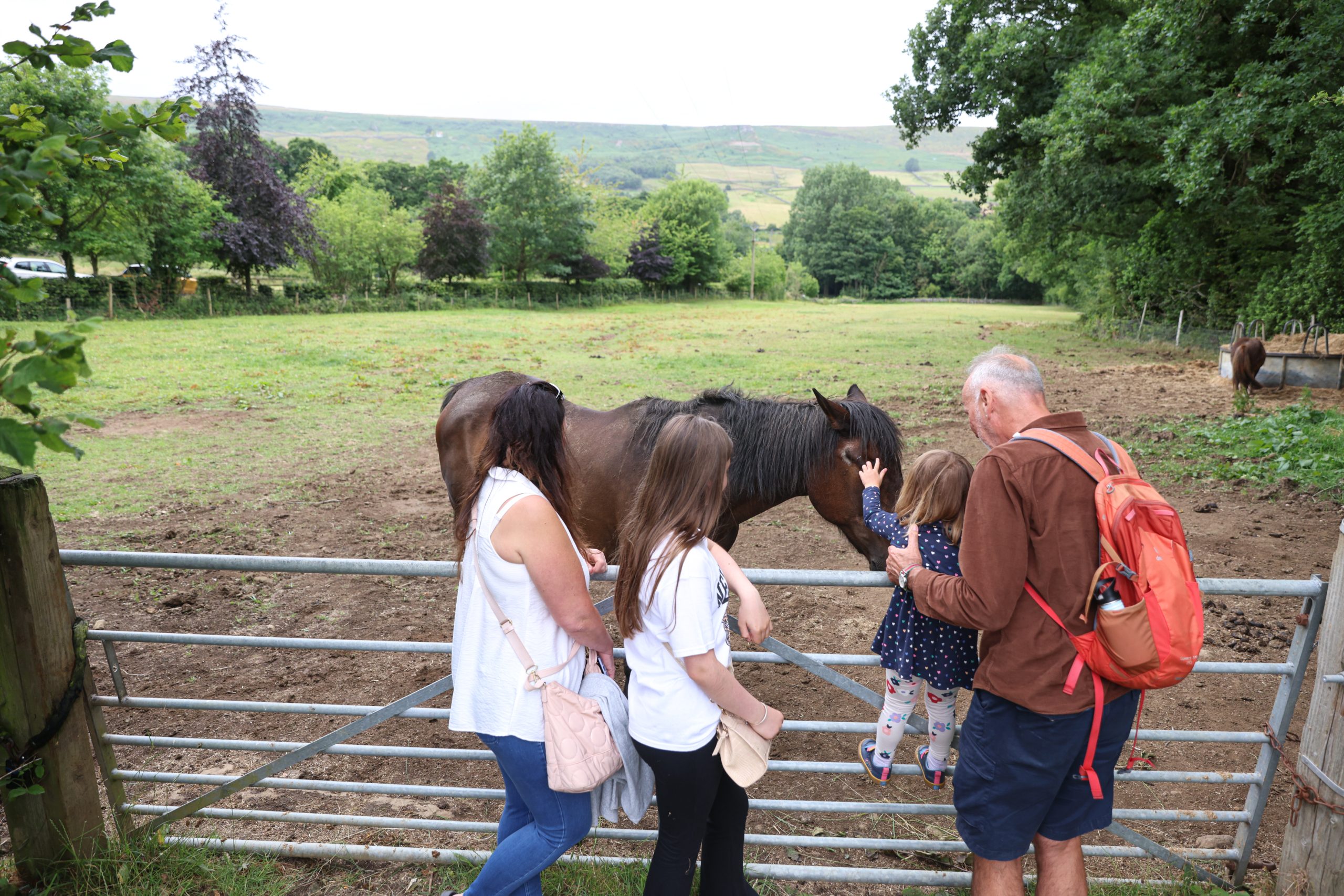
At Camphill Village Trust, caring for people also means caring for the land, as our wellbeing is connected to our natural environment. The landscapes at Botton Village are not just habitats for wildlife; they are places where people live, work, learn and find wellbeing through meaningful connections with nature.
Protecting rare grassland fungi supports biodiversity, but it also safeguards the character and health of the land that underpins daily life in the community. Sustainability, for us, is about long-term responsibility; making choices today that honour both people and place.
About Camphill Village Trust
Camphill Village Trust is a nature-based social care provider and a charity supporting adults with learning disabilities, autism, and mental health support needs in communities across England. We bring people and nature together every day.
Across our communities, the people we support take part in social farming, animal care, horticulture, and other nature-based therapies. These activities are part of our evidence-based Green Care approach, using nature as a powerful tool for health, wellbeing and personal growth, rooted in our experience and supported by scientific research.
Botton Village is one of these communities, where people live, work, and connect with the land as part of everyday life.