Biodiversity & Sustainability: ESG in Action
Biodiversity and sustainability have been at the heart of Camphill Village Trust for generations, and they're critical to our future.
Nature in Britain is in crisis. Since records began, we’ve lost around 50% of our natural biodiversity. At Camphill Village Trust, we believe that the environment and human wellbeing are deeply interconnected. Protecting our land and its ecosystems is vital to securing healthier, happier lives for all – now and for the future.
Join us as we explore how our Botton Village community cares for its land and nurture biodiversity. From no dig growing, to wildlife-friendly habitats, discover how our environmental stewardship is creating healthier futures for our people and our planet.
- This case study is part of our environmental, sustainability and governance (ESG) statement. Learn more about the project here.
Caring for nature, caring for people
As Robin Asquith, Head of Natural Environment, explains:
"Environmental sustainability is crucial to mankind moving forward. If we continue to exploit our resources that are available to us, they will be there for future generations to use. So, it's vital that we preserve and enhance and build upon some of those natural resources, so that we can help capture carbon out of the atmosphere and do all the other wonderful things for the benefit of everyone."
That’s why we care not only for the land we manage but also for the wider natural world, collaborating with the people we support and external partners on environmental projects big and small - from planting trees at our communities across the country, and soil sampling as part of our three-year Sustainable Farming Incentive grant, to installing barn owl boxes, seed saving and laying mulches on our no dig vegetable beds at Botton Village.
Our land, our heritage and our future
Our vision is to become a beacon of sustainable land management, enhancing natural capital through environmental stewardship and nurturing biodiversity for generations to come.
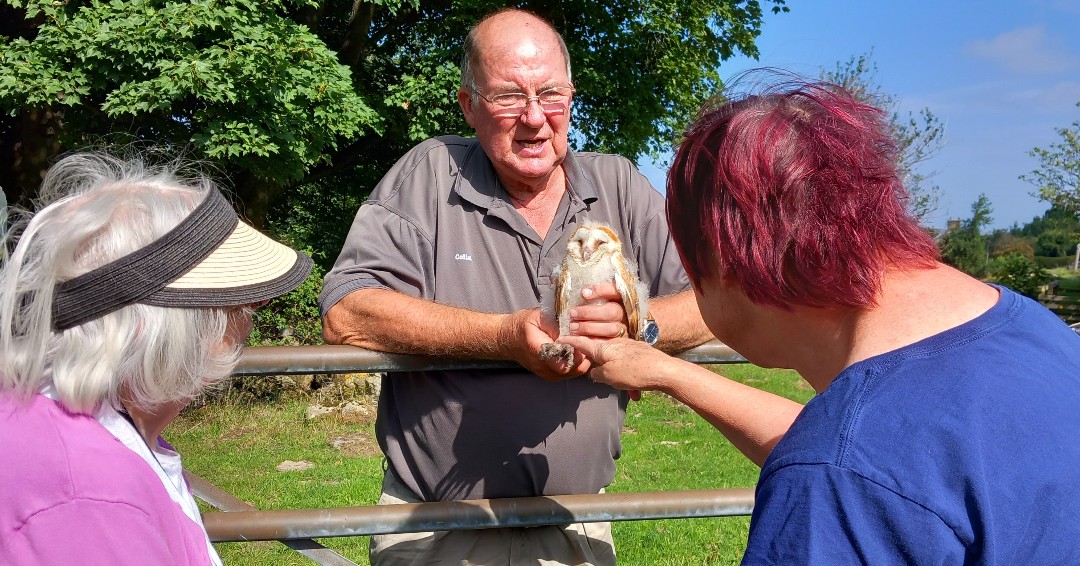
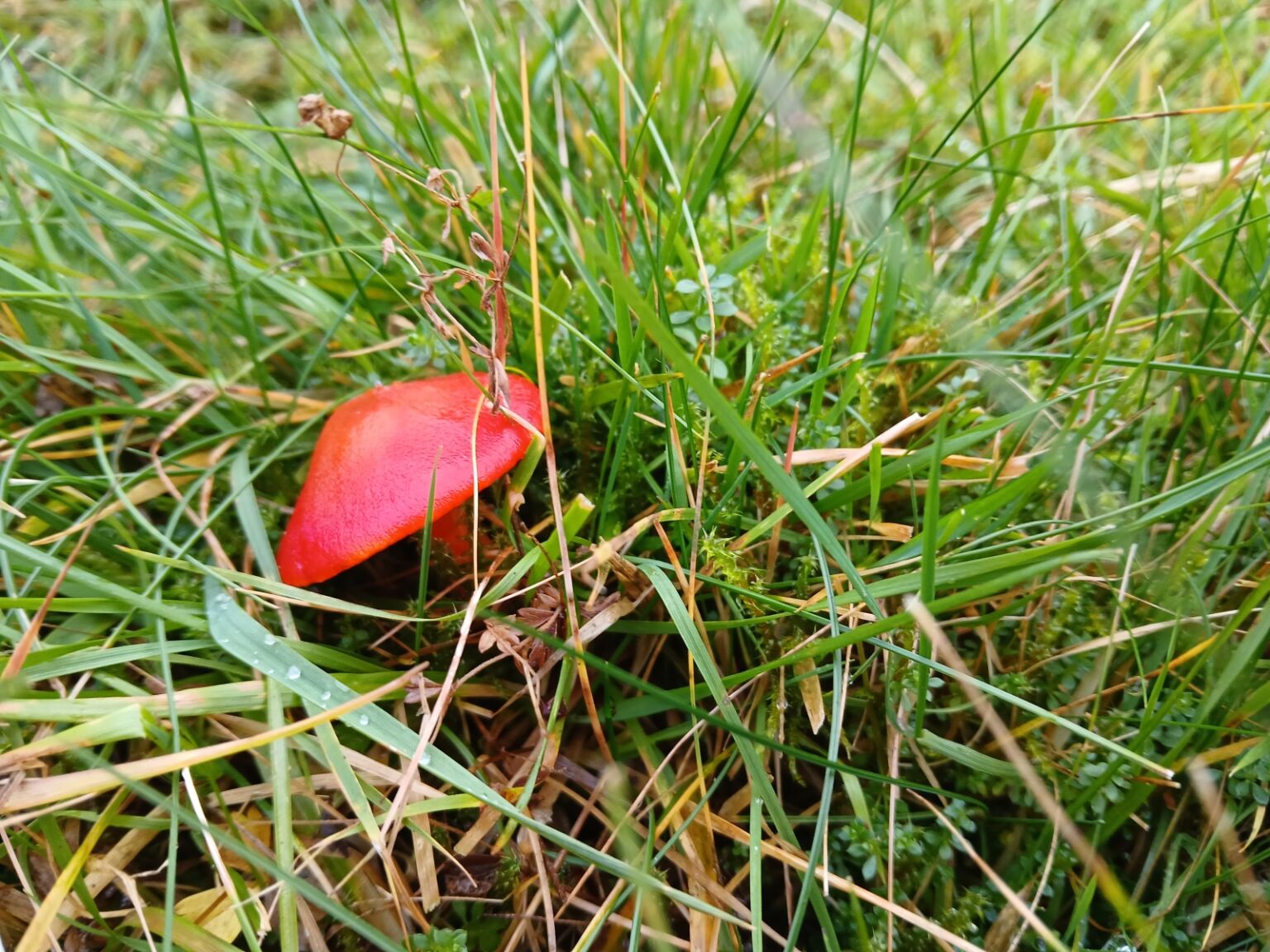
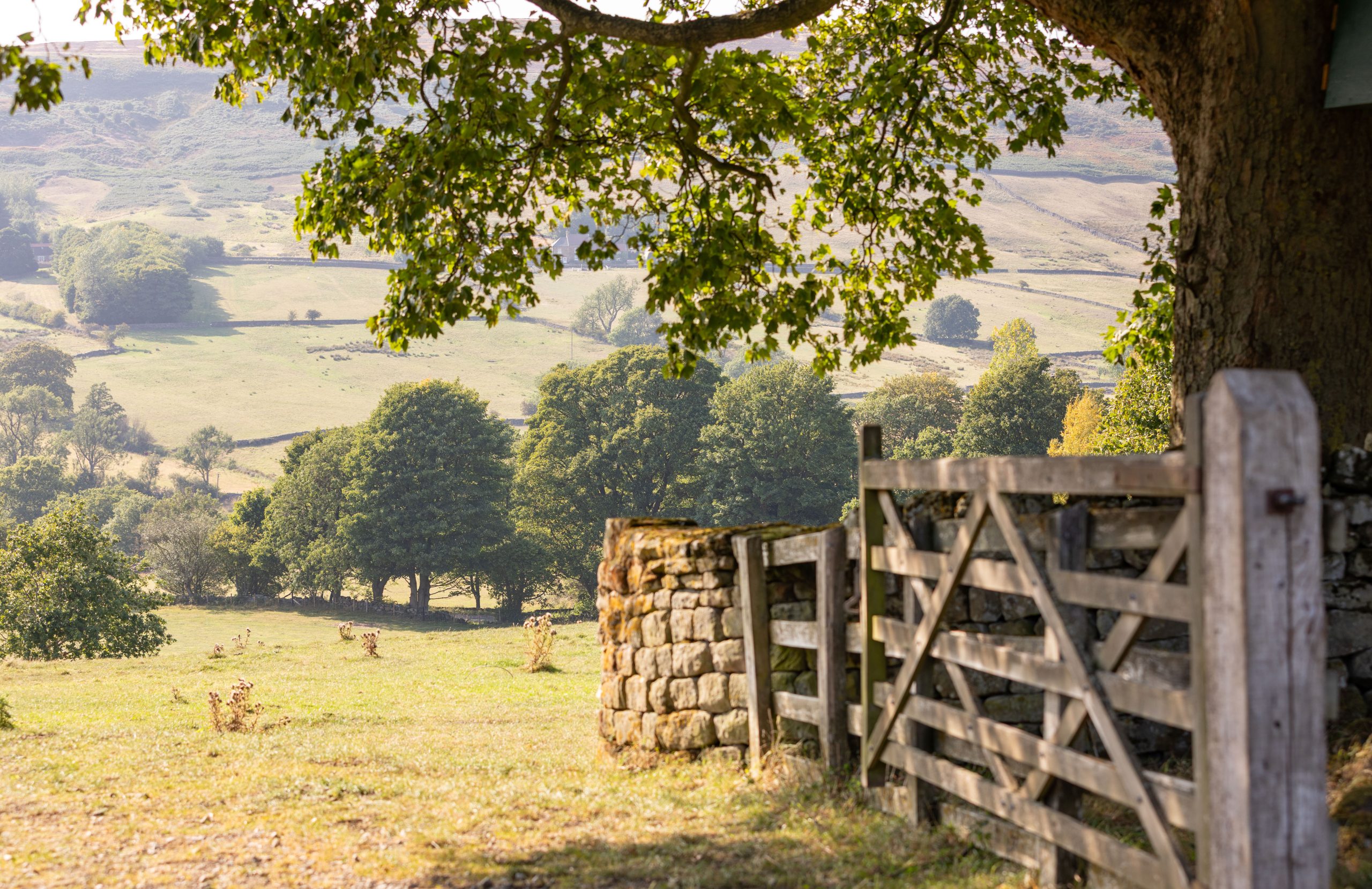
For decades, sites like Botton Village have been managed organically, free from pesticides, herbicides, and artificial chemicals. This commitment has turned our land into havens for rare and ecologically significant species, including the endangered waxcap mushroom, barn owl chicks, and the northernmost sighting of the Roesel’s bush-cricket. In fact, more than 500 species of fauna have been recorded at Botton alone.

Traditions that bear fruit
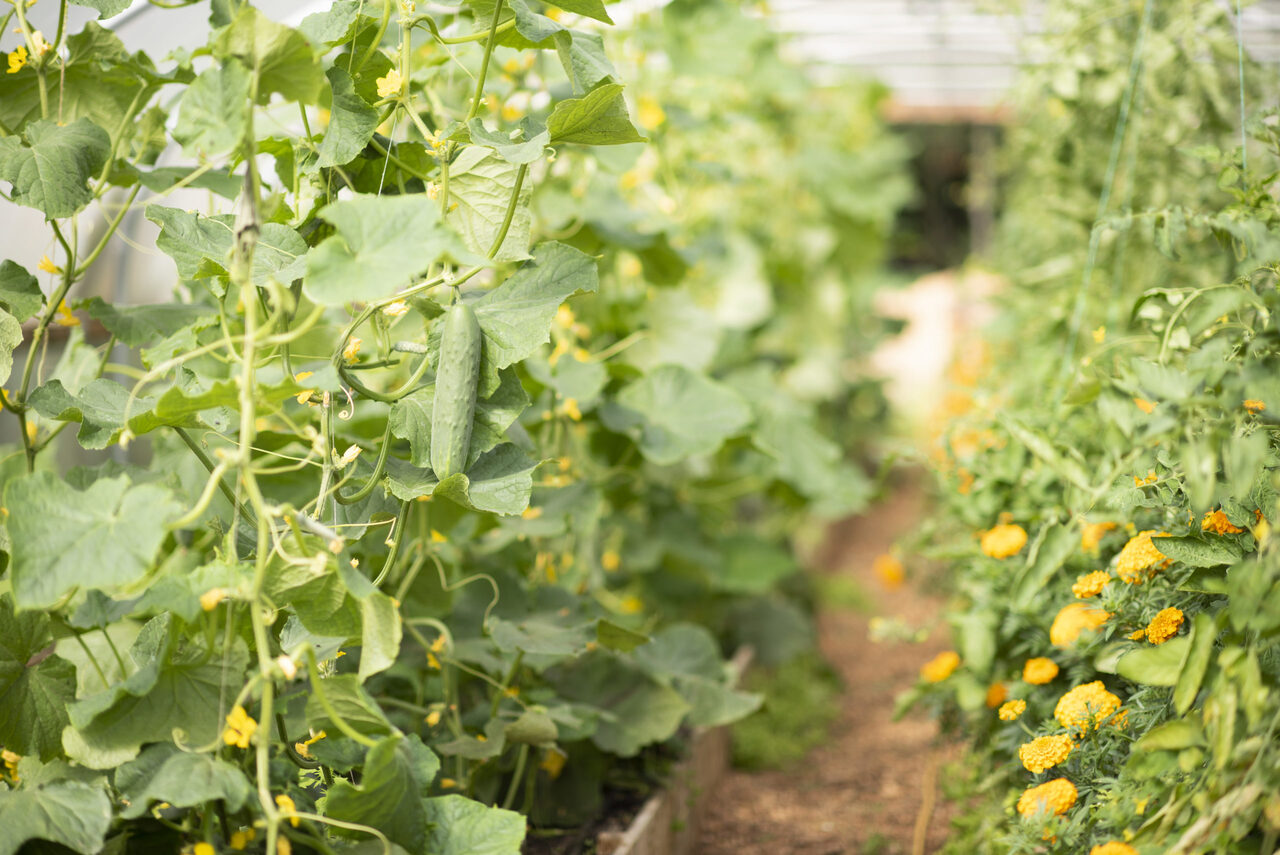
We’re building on these extraordinary foundations by creating new habitats for wildlife and finding innovative ways to make our practices even more sustainable. Across 900 acres of land, our produce is grown organically, using natural methods that prioritize biodiversity and sustainability.
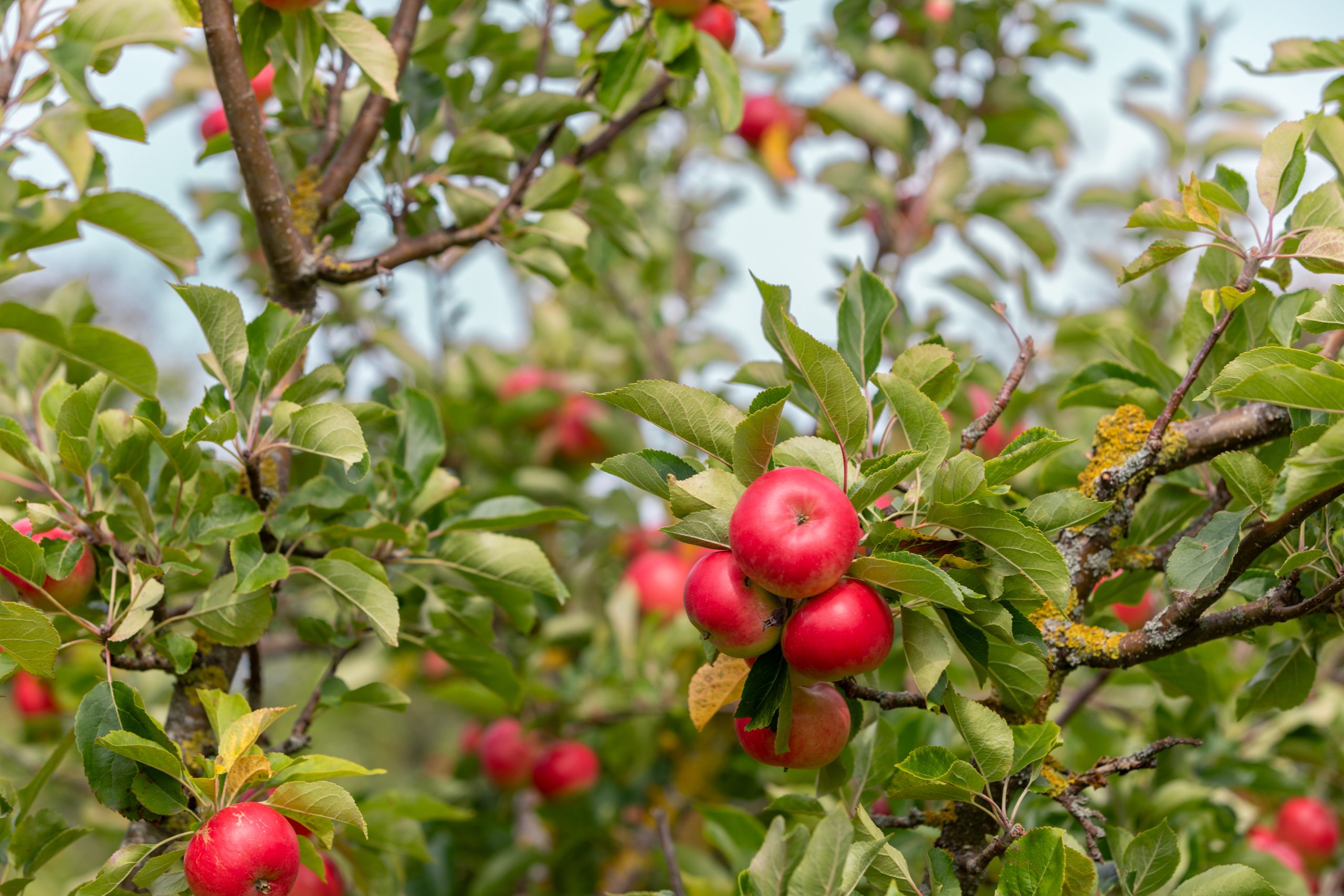
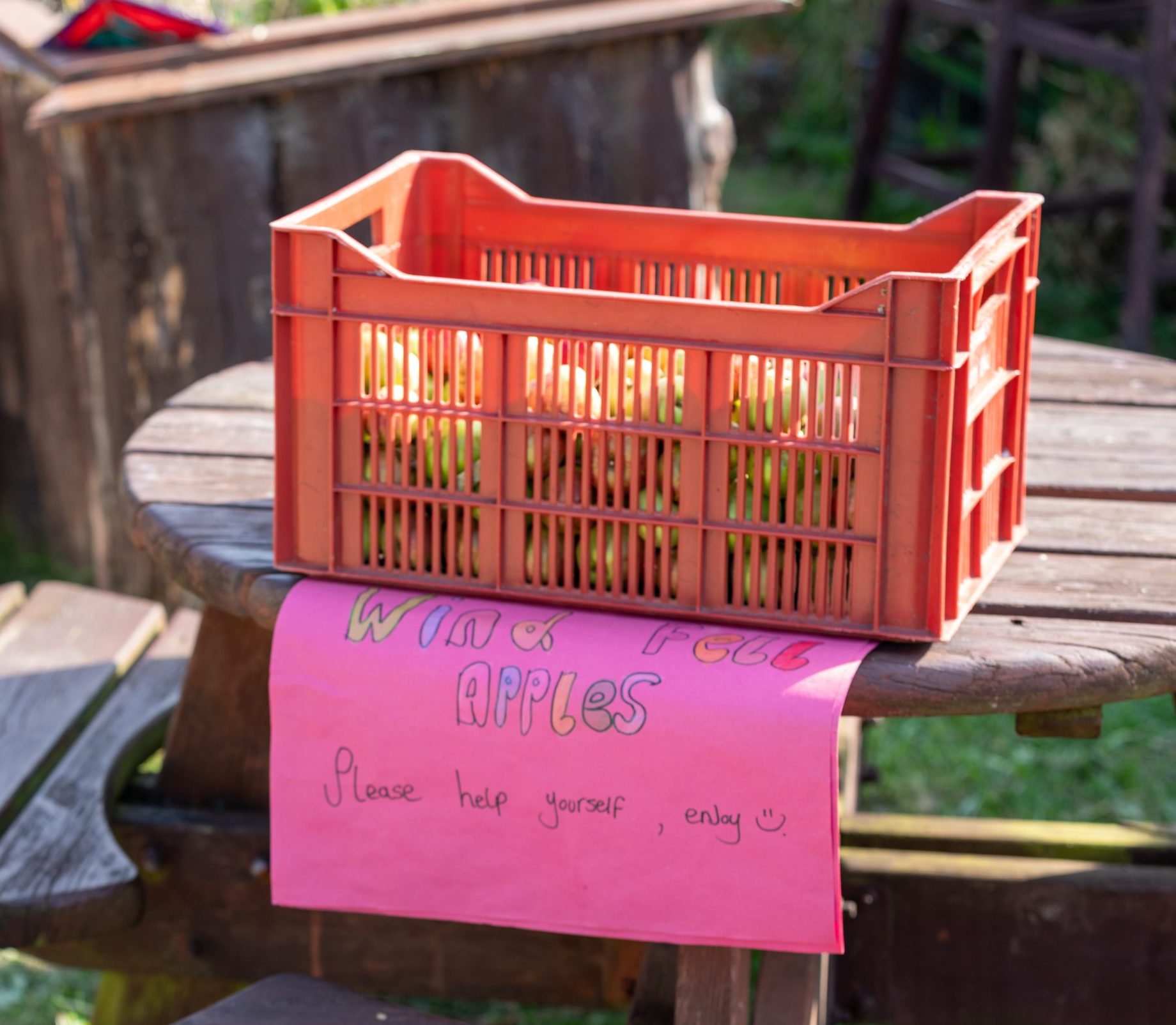
Among these efforts, our orchards are one particularly special habitat. As Claire Twaites, Estates Director, explains, “We are lucky to have almost three hectares of apple trees across our communities. Orchards play an incredibly important part of UK biodiversity and are recognised as a priority habitat of interest by DEFRA – this means they are amongst the habitats most threatened and requiring conservation action.”
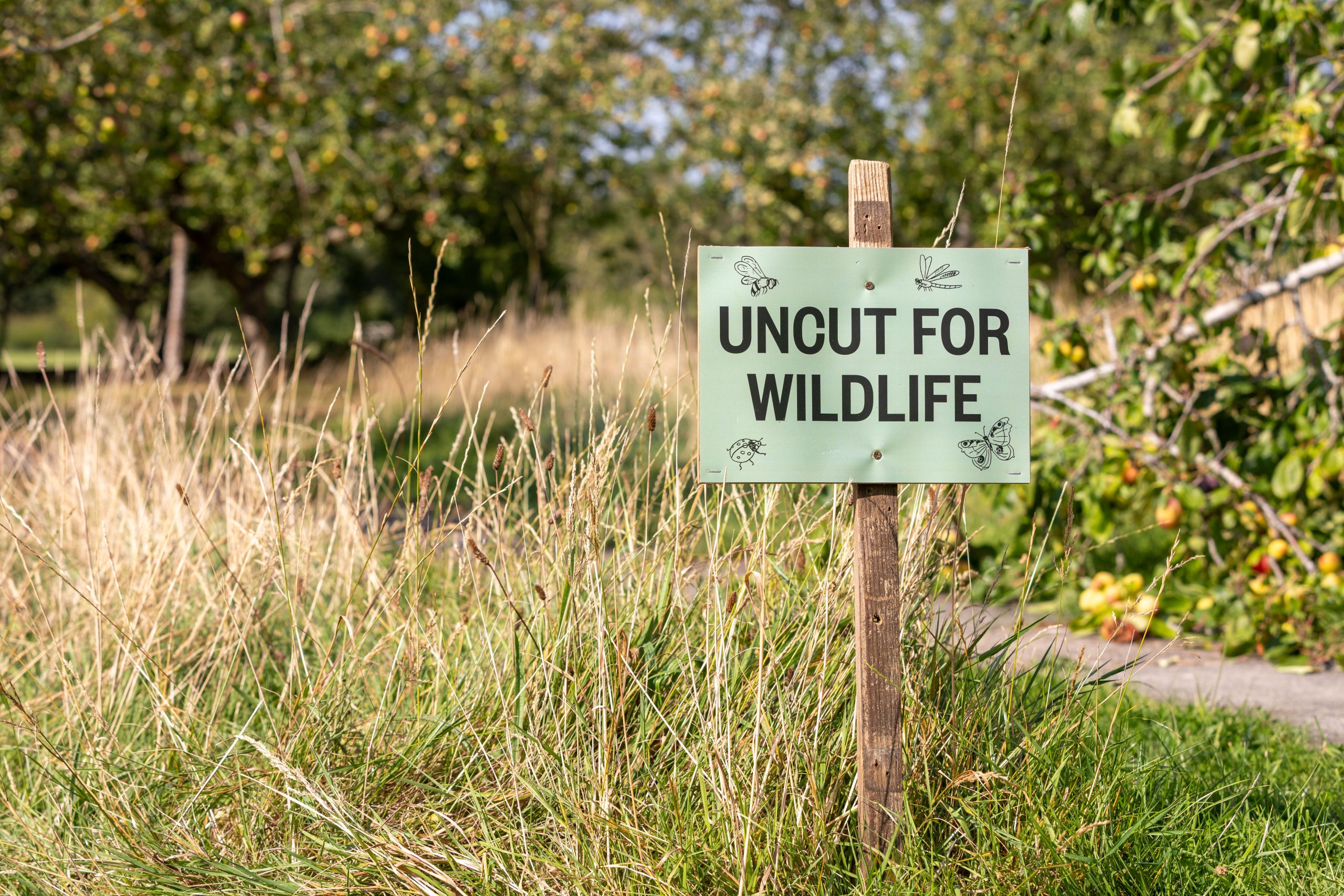
In Botton Village’s orchard, team members including Head Grower, Karen Greenwood, are working to make the ecosystem as sustainable and biodiverse as possible, through initiatives like allowing meadow habitats to flourish around the apple trees and learning to manage them with traditional scythes instead of petrol-powered mowers.
With the help of Young Rangers from the North York Moors National Park, people we support have also created a dead hedge habitat area - a sustainable location for tree prunings and fallen leaves, which also provides a valuable home for wildlife.
From chrysalis to community
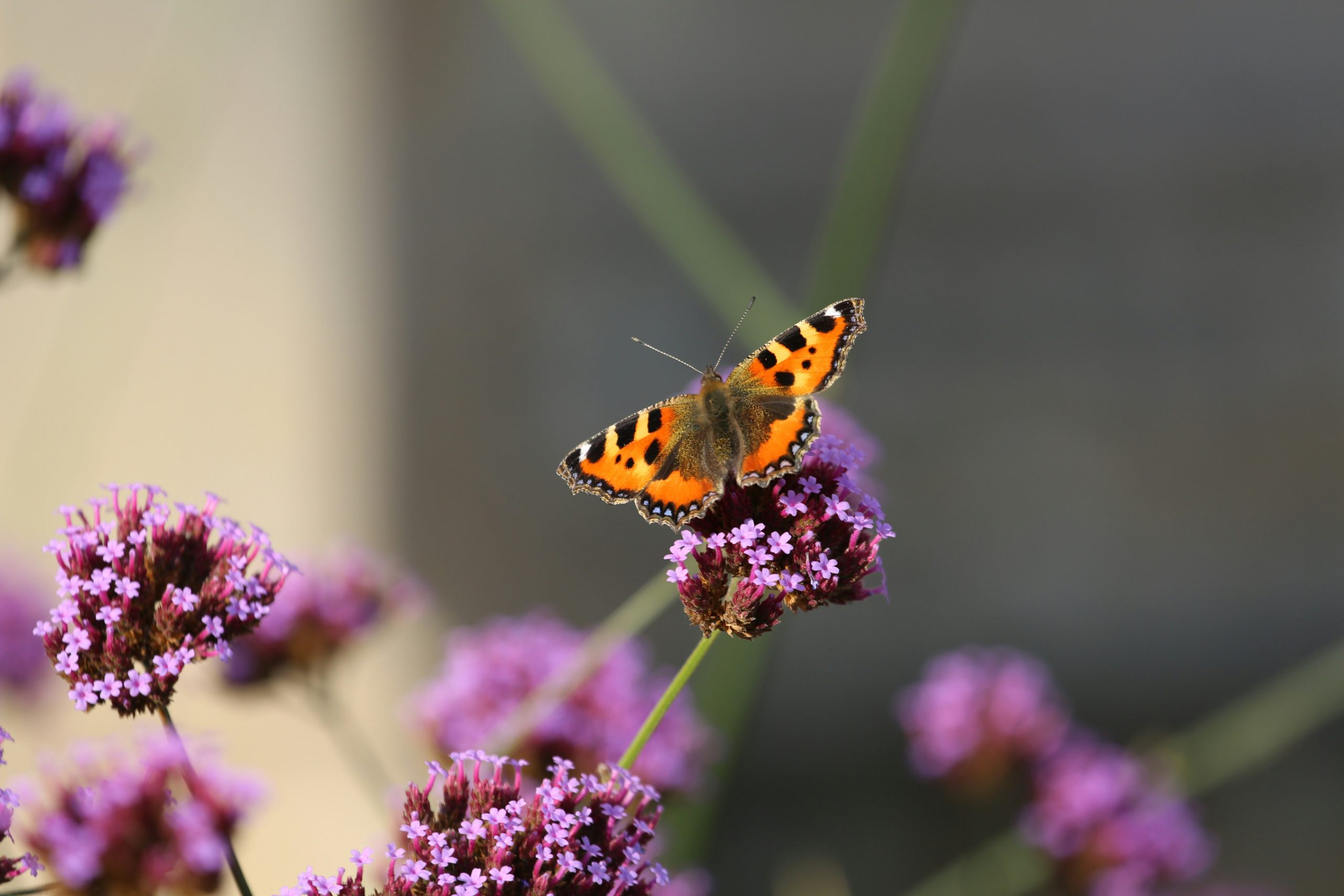
These initiatives have boosted biodiversity in the orchard, creating the ideal setting for activities like our recent butterfly project, which welcomed children from urban areas to our rural orchard to learn all about butterflies and biodiversity. With help from the people we support who are part of our community Wildlife Group, the children planted wildflowers, collected seeds, and conducted moth trapping to study local species. The project culminated in a synchronised butterfly release at both the school and at Botton Village.
These experiences are transformative for the children, who can connect with nature and meet people with diverse needs, as well as for the people we support, who have the opportunity to connect with young people and share their knowledge and passion for the environment with a new generation.
Sustainability from the ground up
Healthy soil is the foundation of sustainable land management. At Botton Village, Head Grower Karen Greenwood is passionate about protecting the earth beneath our feet: “In a teaspoon of soil, there are more living creatures than there are human beings on Earth. By intensive farming, we destroy a lot of that by putting chemicals on the ground. By ploughing the ground, you're exposing them to the air, and it leads to a depletion in the soil quality.”
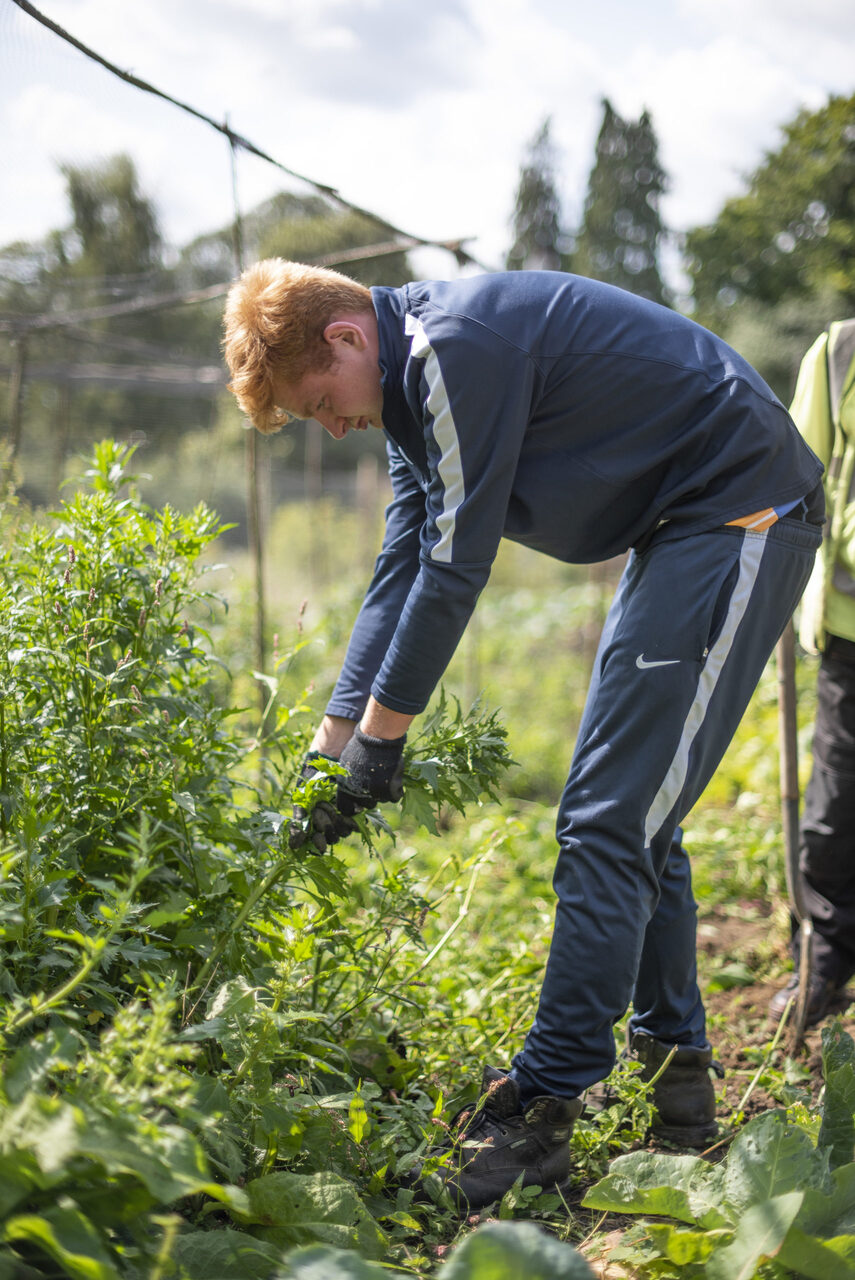
To protect soil health, Karen is working with the people we support to tend no-dig beds in the gardens of Botton Village. This method layers compost and mulches on top of the ground instead of turning the soil, preventing carbon release and preserving soil ecosystems.
This carbon-reducing approach also makes farming more accessible. With fewer weeds and softer soil, the land is easier to care for and harvest from, for people of all physical abilities.
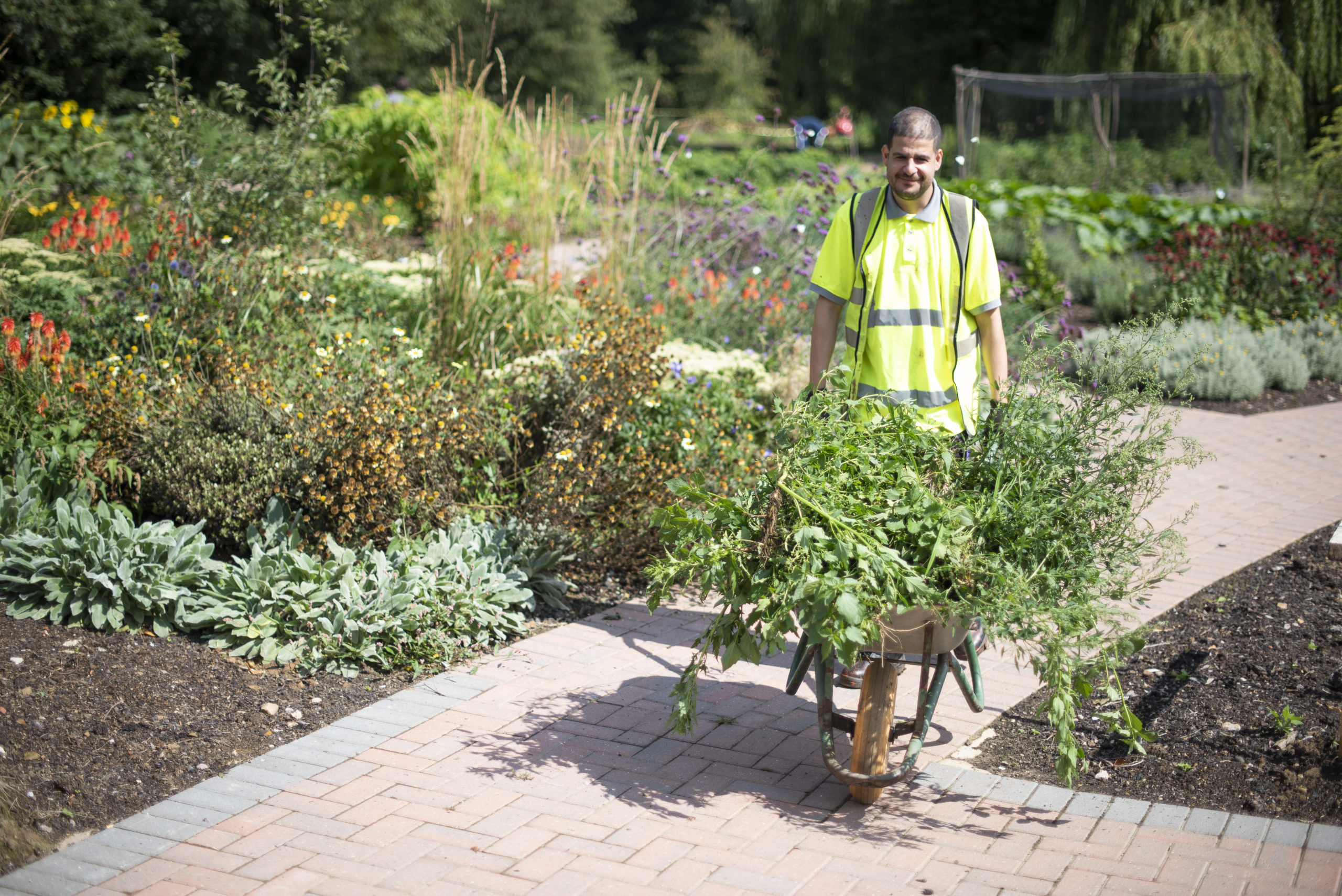
Composting has also been made more accessible thanks to funding from the Farming Protected Landscapes Grant and help from Middlesbrough College Multi-skills students, who worked with community members to co-design and build accessible compost bins, which can be used by people with mobility needs. The new bins mean Botton Village can now turn even more green waste into rich compost on site, helping to make the gardens self-sufficient.
“All the leaves that fall in autumn are raked up by some of our fantastic residents, who some have got a real passion for clearing piles of leaves away. We've got a huge leaf mould pile that goes back onto our organic beds and helps us raise our vegetables”, shares Karen.
Together, these initiatives empower the people we support to actively contribute to sustainable practices, connect with nature, learn new skills, and grow fresh organic produce for their community, building sustainability from the ground up.
Looking ahead
Caring for the land has been part of Camphill Village Trust’s story for generations, but our sustainable land management is all about the future. By protecting our landscapes and the rich biodiversity they hold, we’re safeguarding nature for generations to come, while creating meaningful opportunities for the people we support to thrive in healthy, connected communities, deeply rooted in the natural world.