Trustee Story: ESG in Action
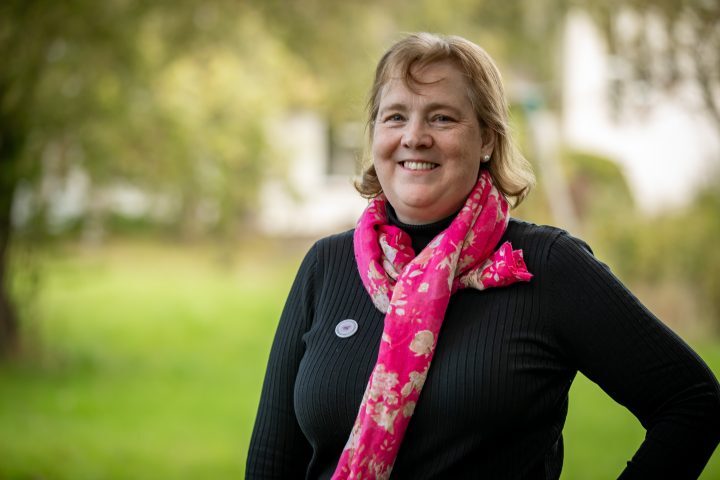
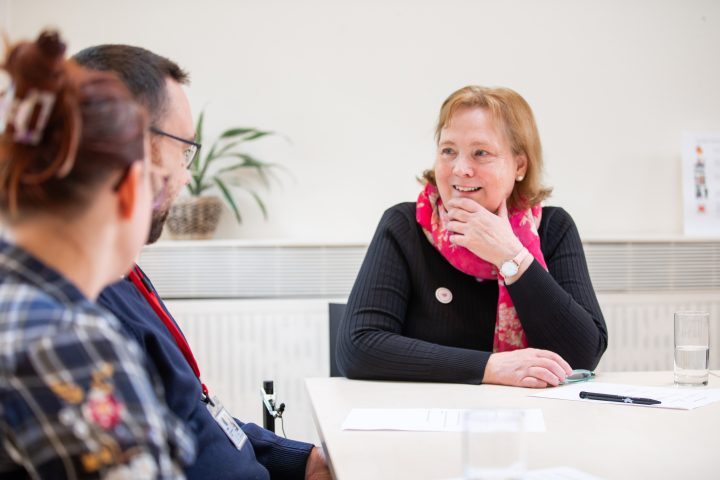
“I love meeting people and socializing, having fun, making connections. I really like problem solving as well, things like puzzles or crosswords - anything where you need to solve something or bring it all together”, shares Dr Ann Kenney, a voluntary Trustee for Camphill Village Trust, who has helped to lead the Charity for over four years.
This passion both for people and problem-solving is reflected in the strengths Ann brings to her work as a Trustee.
With more than 20 years in the charity sector, and a particular focus on fundraising, Ann draws on her experience to listen closely to the people Camphill Village Trust serves, connect with its staff, support directors and collaborate with fellow Trustees to ensure good governance across the Charity.
In this case study, we'll explore Ann's journey into Trusteeship, what matters most to her in this important role and her reflections on what good governance looks like.
This case study is part of our environmental, sustainability and governance (ESG) statement. Learn more about the project here.
Ann's journey to Trusteeship
While progressing through Head of Fundraising and Director roles at charities including the Downs Syndrome Association and the Halow Project, Ann has also served as a Trustee for organisations like The Federation of Voluntary Sector Care Providers and the Surrey Wellbeing Partnership.
With the support of her fellow Trustees, Ann’s focus is on the governance of Camphill Village Trust, along with setting the culture for the Charity, ensuring it is run professionally and works within all the appropriate standards and regulations.
“We’re all volunteers but we’re personally responsible and liable for making sure the Trust complies with all the relevant legislation,” Ann said.
“You need to have the right people on the board of Trustees with the right skills to manage the strategy as well as setting the culture and the tone, each understanding their own individual responsibilities. Having all of this in place, along with the right processes and procedures is how you ensure good governance.”
Where governance and co-production meet
A crucial element of governance for Trustees is ensuring that the voices of people being supported are at the heart of any decisions being taken about their support. “We’re very much driven by what the people we support want and need and how they can live life to their full potential,” shared Ann.
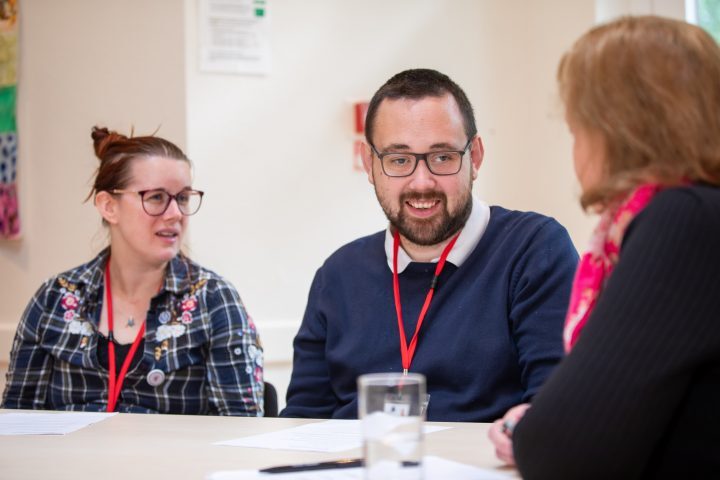
As the Chair of the Quality & People Committee, Ann works closely with our Life of Opportunity reviewers, seven people from our communities who are employed by the Trust to make sure we’re delivering quality support.
She said: “They come and report to us every meeting, having been around the communities testing what people are seeing, hearing and feeling about where they're living and then giving us that direct feedback.
“This means that we, as Trustees, are knowledgeable about the impact of our decisions, but more importantly, we can put into place action plans that come out of that feedback so that our managers can deliver the necessary improvements. At every stage of what we do, we need that two-way communication and we are discussing at the moment new ways to bring this even more to the fore.”
Demonstrating the impact of this two-way communication is key in building trust, and Ann is proud of the Charity’s ability to deliver tangible and practical results. After Trustees heard from our Life of Opportunity Reviewers that community members wanted support around healthy eating, for example, healthy eating initiatives were implemented across our communities, resulting in projects like menu reviews, training and collaborations with dietetics students and NHS researchers.
The future is Green
Ann is also proud of the role the Trustees have played in the Trust’s current strategy and is excited for the future: “I think we’ve got the potential to be a leader in lots of different aspects within our sector, not least for our care and support model and the way we can utilise the environment to its fullest effect while working sustainably.
“Camphill Village Trust is special because it has so much history, with more than 70 years of knowledge and experience in supporting people with learning disabilities, autism, etc. And we have an interesting blueprint for how we work across communities, responding to rural needs and matching skills, abilities and aspirations of people we support to the land that we have.
“Nationally and internationally, people are recognising the value of the environment and the impact it can have on our health and wellbeing. The Trust has always had that element to our work but right now we are in a position to be leading the way, which I think is really exciting and positive for us and for the people we support.”
Being a "critical friend"
When it comes to her own role within the Trust, Ann’s experience has taught her that Trustees need to act as a critical friend for charities: “It’s so important to be a friend who is supportive, offering advice, being a sounding board, creating new ideas and collaborating.
“However, you also need to ask some difficult but helpful questions from time to time, challenging to see what else can be done and making sure all of the risks have been understood and mitigated. So, there are many ways you can be a critical friend, and that is something I try to bring to everything I work on with the Trust.”