Working Together: ESG in Action
Powerful outcomes happen when we work together. Our projects unite colleagues, volunteers, the people we support, community experts and national organisations - bringing together ‘the whole village’ to create solutions with real, lasting impact.
Across our nine communities, our collaborative approach opens doors to new expertise, wider networks and fresh opportunities. The people we support gain confidence, skills and connection, while sharing their invaluable experience with project partners beyond the Trust. The benefits ripple outward, too, supporting local schools, NHS teams, adults with support needs and many others across the country.
Our commitment to co‑production and partnership working is at the heart of projects throughout the Trust. Together, we are improving accessibility, sharing knowledge and driving positive change in ways that make a real difference.
This case study is part of our environmental, sustainability and governance (ESG) statement. Learn more about the project here.
The big idea
Our digital inclusion project is a perfect example of this approach in action. Like many Trust initiatives, the idea began in a co‑production meeting when a person we support asked for experts to visit the community to talk about online safety. “That sparked everything,” said Janet Hawkins, Co‑production Lead for our Gloucestershire communities. “He wanted someone external to come in and talk about it, so this led to a discussion with funders Barnwood Trust”
From here, we joined forces with the Forest Voluntary Action Forum (FVAF) and The Shalom Network, setting out to improve digital skills and confidence for the people we support. What began as a series of workshops for community members, soon became a bigger, outward-facing project, all about creating resources to support digital inclusion for all.
“We did this thing about digital inclusion and we organised it, and we went on the internet to find some information about it,” shared John, a member of the Digital Inclusion Group and a person we support, who lives in our Gloucestershire communities.
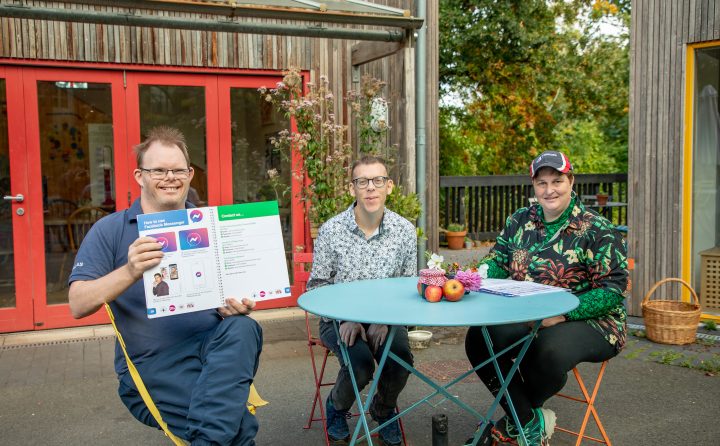
Jenny, who volunteers with the group, added, “We made these books about how to stay safe with different kinds of technology things and online things. We all worked together to gather information and create these books.”
Why digital inclusion matters
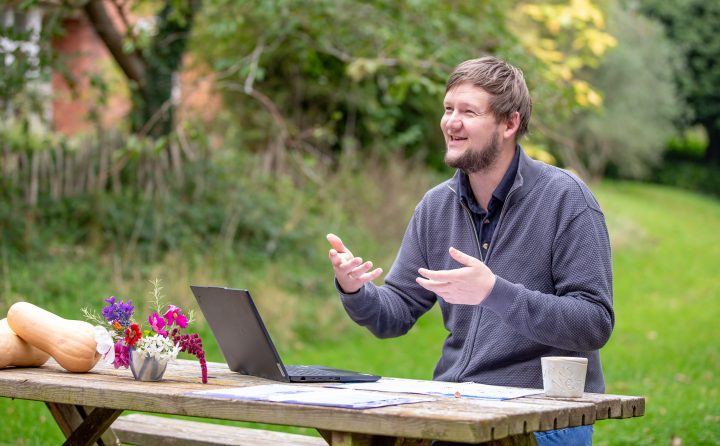
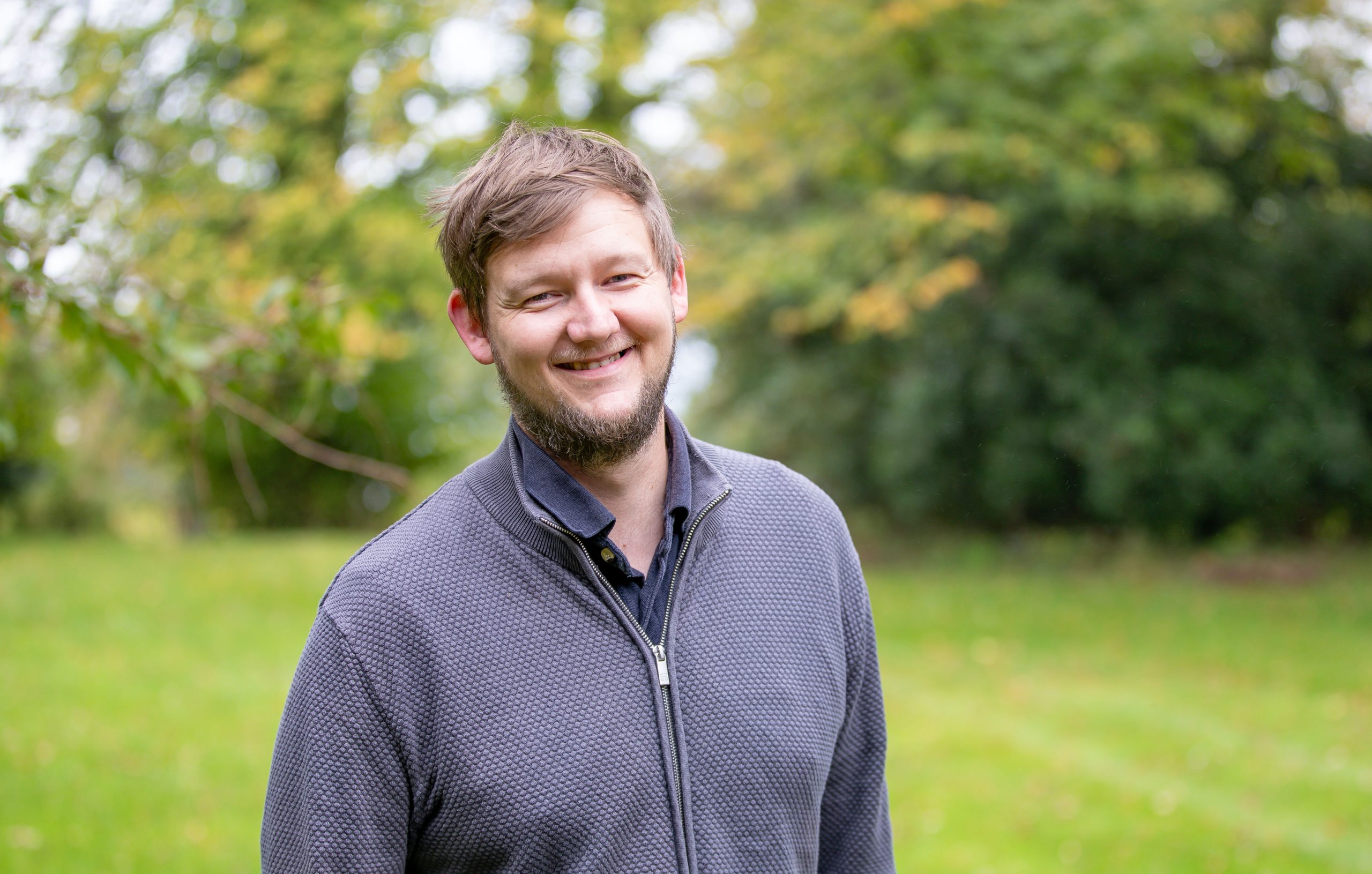
Alex Digby (Digital Inclusion Project Manager at FVAF), was a key project partner, and is passionate about making technology accessible for everyone:
“Digital inclusion is fast becoming the most identified driver of social inequality, especially in health,” he said. “Digital is a golden thread through everything in our lives now, from education to housing to social connection - especially with the huge shift to digital services. Those with disabilities are much more at risk of digital exclusion, so we need to support people in ways that are meaningful for them.”
Jenny reflected on that challenge through her own lived experience: “Not everybody knows everything about technology, and those who don't know so much would have their skills improved, so they can be safe online.”
-
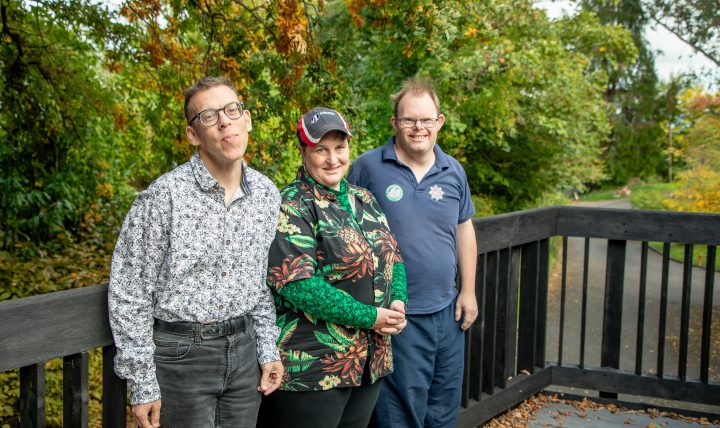
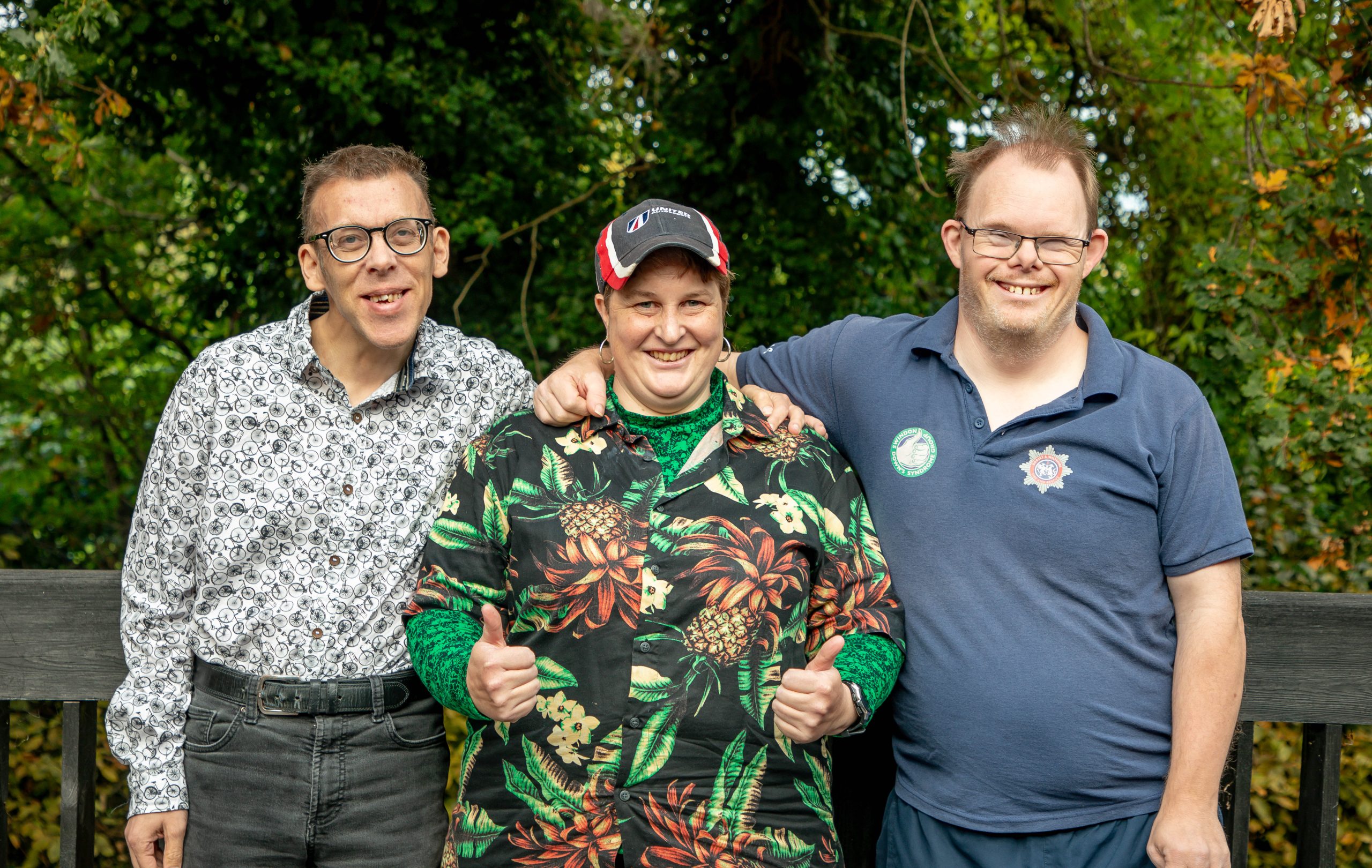
- John, Jenny and Douglas
-
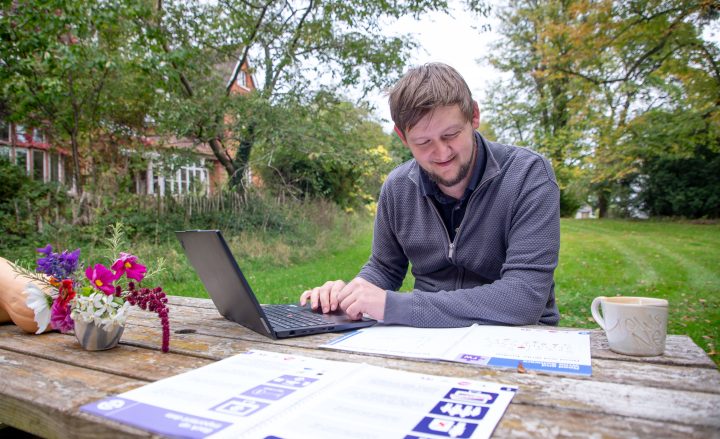
- Alex
-
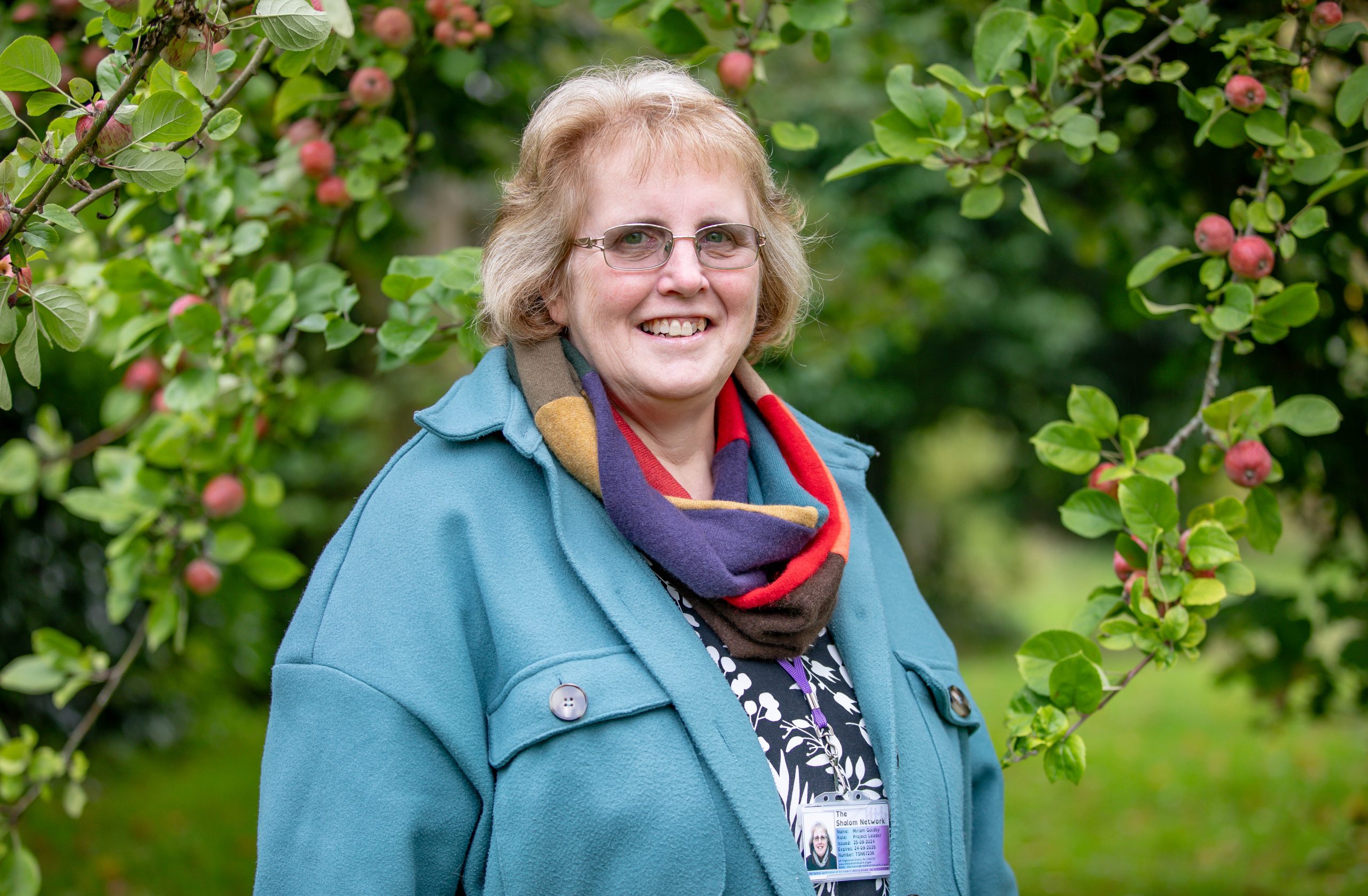
- Miriam
Co-production and collaboration
Co‑production guided every stage of the resource development workshops. FVAF and The Shalom Network began by meeting with the people we support, listening closely to their goals, needs and aspirations. Their feedback shaped the session content, the pace, the delivery style - and even decisions to purchase new equipment to make the project accessible for all.
The workshops continued to evolve based on what participants said they needed, ensuring every session was relevant, practical and empowering.
“The people with lived experience […] they were vital to the running of the sessions”, shared Shalom Project partner, Miriam Goldby.
Easy Read resources
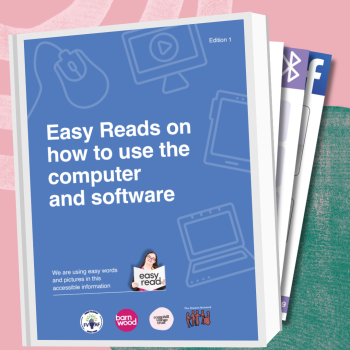
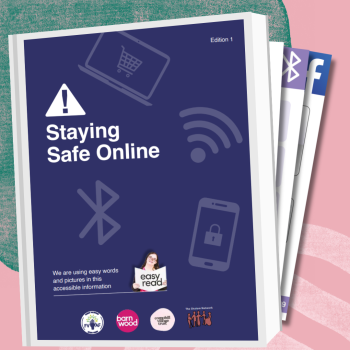
One of the project’s standout achievements has been the creation of Easy Read digital guides - clear, accessible resources now being shared across Camphill Village Trust’s communities and through Gloucestershire’s network of 50+ digital hubs. They’ve even been championed in front of strategic decision‑makers at County Council level.
The guides cover essential topics like:
- setting up and shutting down a laptop
- online safety and recognising scams
- using Gmail, YouTube, Zoom and Facebook
- understanding devices and how to use them confidently
“The group have taken great pride in taking these books out to other communities in the area and talking to people about digital inclusion and safety,” shared Janet (Co-Production Lead, Gloucestershire Communities).
Douglas, a member of the digital inclusion group who lives in our Gloucestershire communities, is already excited about sharing the next chapter: “When the third book is completely completed, we’re gonna share a brand new book at the Forum [tri-annual Trust community gatherings], when it comes out!”
Partnerships with impact
“I’m very proud of this project because it’s something the group have achieved through co‑production from the very beginning,” shared Janet (Co-Production Lead).
John (digital inclusion group member) agreed: “Working with everybody was brilliant, it was absolutely brilliant.”
Alex Digby (FVAV) has also been inspired by the project’s impact:
“I have people from all sorts of backgrounds come to me and say, ‘These guides are incredible, how can we create our own?’ So, the future is really exciting. We can use this model and these pilot examples to show how digital inclusion can be done meaningfully.”
Reflecting on the power of partnership working during the project, Miriam (Shalom Network) shared: “I don’t think [any] of us could have produced this project and work separately… Working together brings out so much more than working individually. We are working as a wider whole to serve the people that we aim to reach. So, it’s valuable”.
This partnership has shown that when organisations work alongside people with lived experience, everyone benefits. As part of this project, the insight, curiosity and real-world experience of the people we support lead to solutions that are practical, accessible and grounded in what people actually need. As we continue working with partners both locally and nationally, we look forward to sharing this expertise even more widely, helping shape a more inclusive future for all.