It’s Cervical Cancer Prevention Week and we’re shining a light on the importance of accessible information about screening (and sharing some great, accessible resources below).
Important facts and statistics
- – Cervical cancer is one of the most preventable cancers.
- – The primary goal of screening is not just to detect cancer, but to find precancerous cell changes.
- – These changes can often be caused by high-risk Human Papillomavirus (HPV).
- – Screening is free for anyone with a cervix from age 25 to 64.
- – It’s estimated to save 4,500 lives in the UK each year.
- – Researchers have found people with a learning disability have a higher risk of cancer than those without a learning disability.
- – People with a learning disability are also less likely to have a cancer screening.
Barriers to screening and healthcare
For people with a learning disability or other support needs, attending a cervical screening can be particularly challenging, especially if the information isn’t accessible or easy to understand.
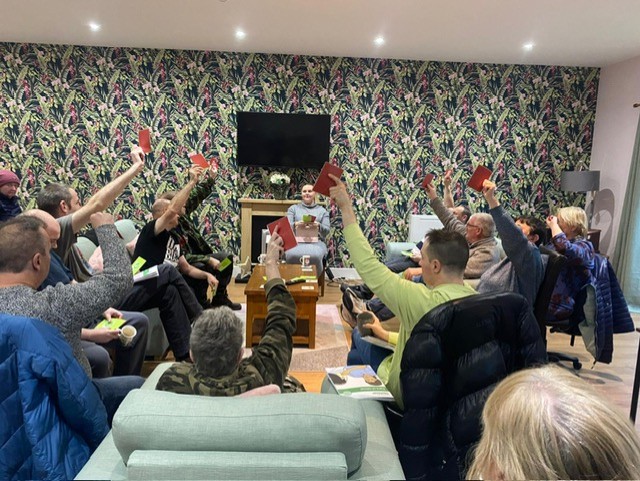 Everyone deserves clear, supportive information to help them make informed choices about their health. That’s why we held cervical screening awareness sessions in some of our communities last year. These sessions helped raise awareness, encourage conversations and highlight just how important accessible information is when it comes to healthcare.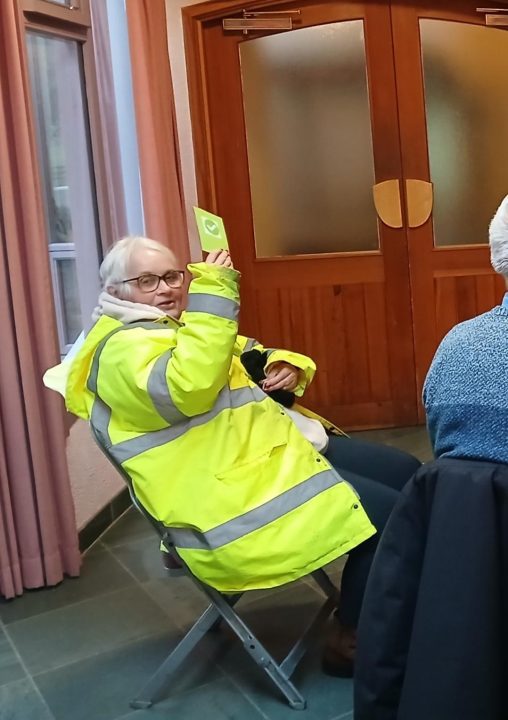
Dr Kate Sykes, Assistant Professor in Community Wellbeing at Northumbria University, delivered sessions in our North East communities.
A core area of her research is cancer prevention and screening for people with a learning disability. She shared: “People with learning disabilities are significantly less likely to attend their cancer screening. My research has found people with a learning disability don’t want, or go for, cervical screening because:
- – They find it embarrassing that they need to take their clothes off
- – They are scared cancer might be found
- – They have found it painful so do not want to have it done again
- – Someone else told them they do not need it
- – They do not know what will happen during the appointment
Speaking about the sessions held in our Larchfield and Botton Village communities, Kate (pictured right) said: “I was blown away by the enthusiasm during the workshops. People wanted to know about cancer, screening and how they can prevent their risk of cancer. We’re planning to run further education sessions in the future.”
“During the sessions we talked about what cancer is, what screening is, and what screening entails. I used accessible information to support the talk and provided several easy read booklets on cancer and the different screening programmes, including cervical screening. People took the booklets and spent time reading them and looking at the pictures.”
Kate’s top accessible resources about cervical cancer
Accessible information about HPV
“To fully understand what cervical screening is, and why it is needed, we need to understand what human papillomavirus is. Sometimes this is written as HPV. Here is an easy read document developed by Mencap explaining what HPV is”, shared Dr Kate.
Macmillan’s accessible cancer information library
“Macmillan has a vast library of free easy read booklets, that use simple language and pictures to share information about a huge range of cancer-related topic, including cervical cancer.
Some of these leaflets can be ordered as hard copies to share in communities. You can also access them all online as PDF documents:”
NHS Scotland explainer video
“Going for cervical screening can cause people to worry. This is often because people don’t know what’s going to happen or what to expect. A lot of videos exist that talk about the process and show the equipment that will be used.” Here’s a good example:
“There are lot of myths and questions around cervical screening. Leicestershire have developed a myth buster video”.
This includes busting myths like:
-
– You don’t need a cervical screening if you’ve not had sex
-
– Cervical screening “takes away your virginity”
-
– You don’t need a screening if you’ve had an HPV jab
Bust more myths here:
Tips for healthcare providers screening a person with a learning disability or an autistic person
“Often people don’t know how to support people with a learning disability when they decide to have cervical screening and then go to the appointment. Here’s a video, developed by Greater Manchester Cancer Alliance highlighting top tips for cervical screening with women with learning disabilities and/or autistic women”.
Jodie’s Experience
In this video, Jodie, who has a learning disability, shares her experience of getting screened for the first time. Her shared experience is a useful tool for explaining the process and helping people who may feel anxious about going for a cervical screening. Watch Jodie’s video:
You can learn more about the work of Dr Kate Sykes here: www.researchportal.northumbria.ac.uk/en/persons/kate-sykes/