Bringing Nature into Care
For over 70 years, Camphill Village Trust has provided adult social care in step with nature.
From the very start, our communities for people with learning disabilities have been rooted in farms, gardens, woodlands and green spaces.
Working alongside nature is not new for us. What has grown is the evidence proving that time spent in nature supports better physical health, social connection, emotional wellbeing and personal growth. Today, this approach is widely known across health and social care as Green Care.
Green Care means using nature in a planned way to improve health and wellbeing, which includes making the most of nature’s benefits in everyday life. It shapes daily routines across our communities, in gardens and social farms, kitchens and workshops. And it’s for everyone: the people we support, our colleagues, volunteers and visitors.
- This case study is part of our environmental, sustainability and governance (ESG) statement. Learn more about the project here.
Why this work matters
People with a learning disability, autistic people and those with mental health support needs still face significant health inequalities, including shorter life expectancy. At the same time, health and social care services are stretched further than ever.
If we want different outcomes, we need to think and work differently. That’s why our mission is to embed nature in social care, creating access to practical, proven ways of staying well, preventing health difficulties, and supporting longer, happier lives.
Seasonal activities, personal goals
One part of our wider Green Care approach is our Nature‑based Therapies and Skills (NBTS) Programme.
NBTS brings people from our communities and local areas together to take part in structured, seasonal activities shaped by the natural world. Activities run in cycles, as Kat Collins (NBTS Operations Lead) explains: “We are seasonal. Every twelve weeks we stop and look at what we’ve achieved, what progress has been made, and what people would like to do next. It’s about making sure nature is involved in everything that we do.”
The focus is different for each person, depending on their individual interests, skills and ambitions. While some NBTS participants are on a pathway to supported volunteering and work opportunities, many are working towards more person-centred goals.
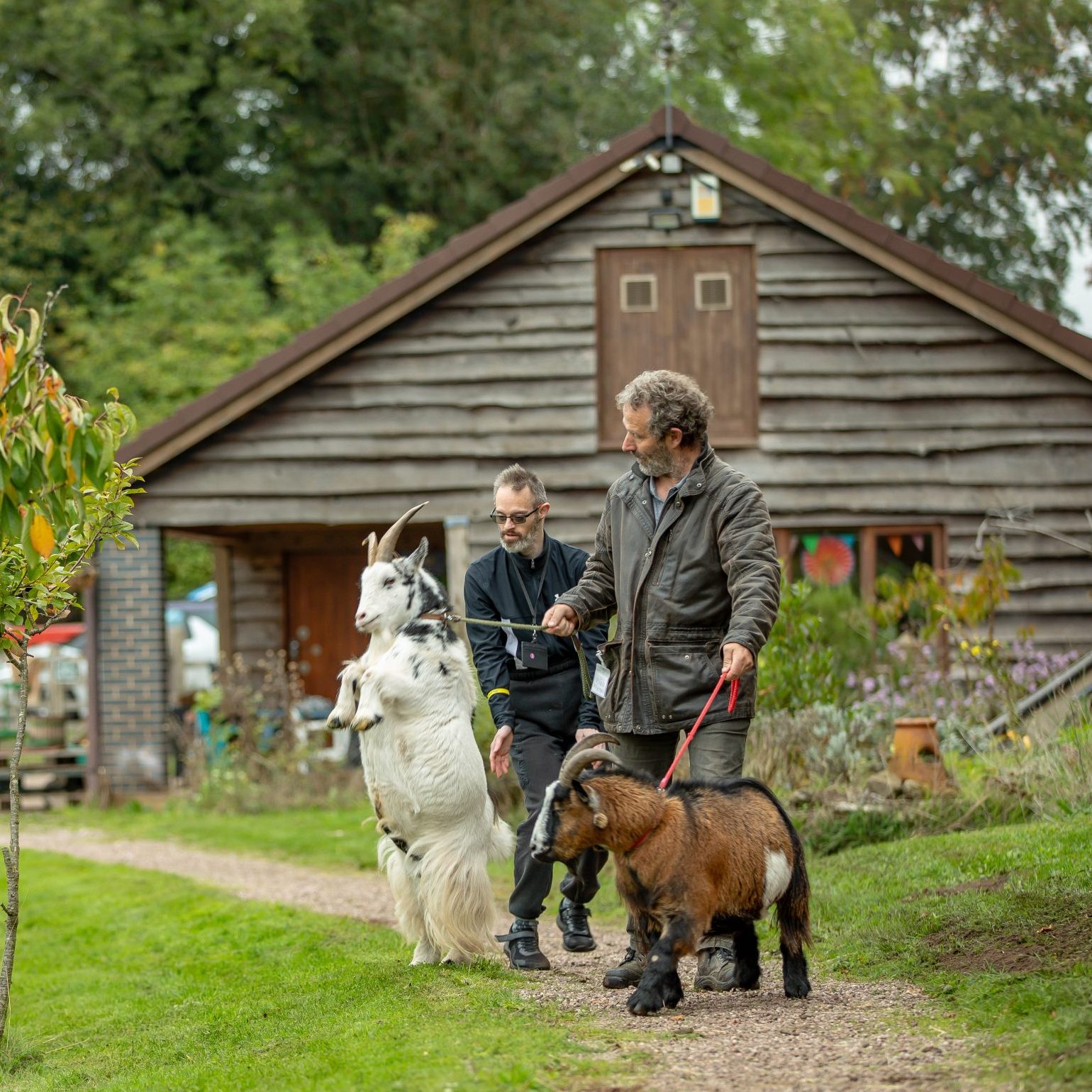
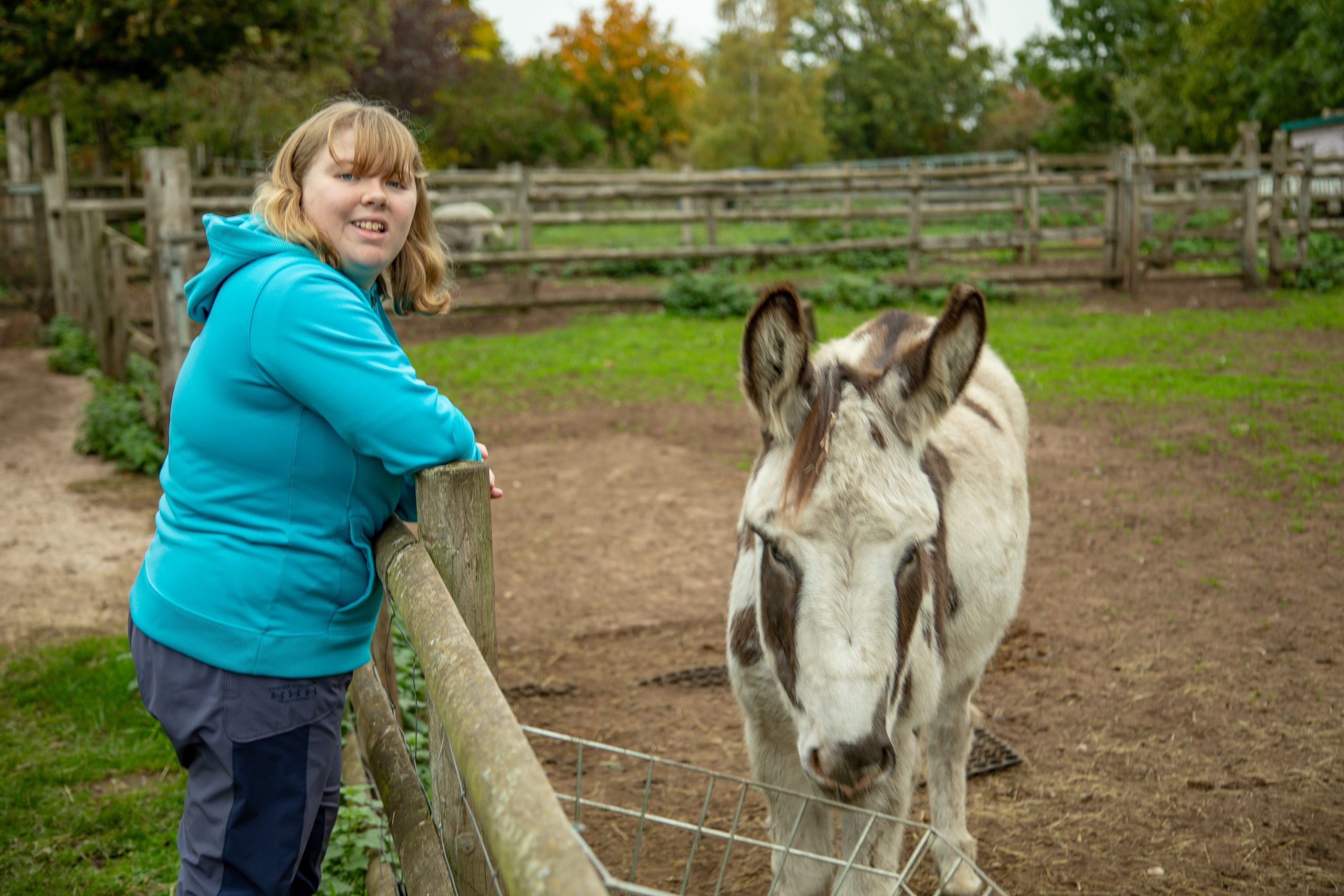
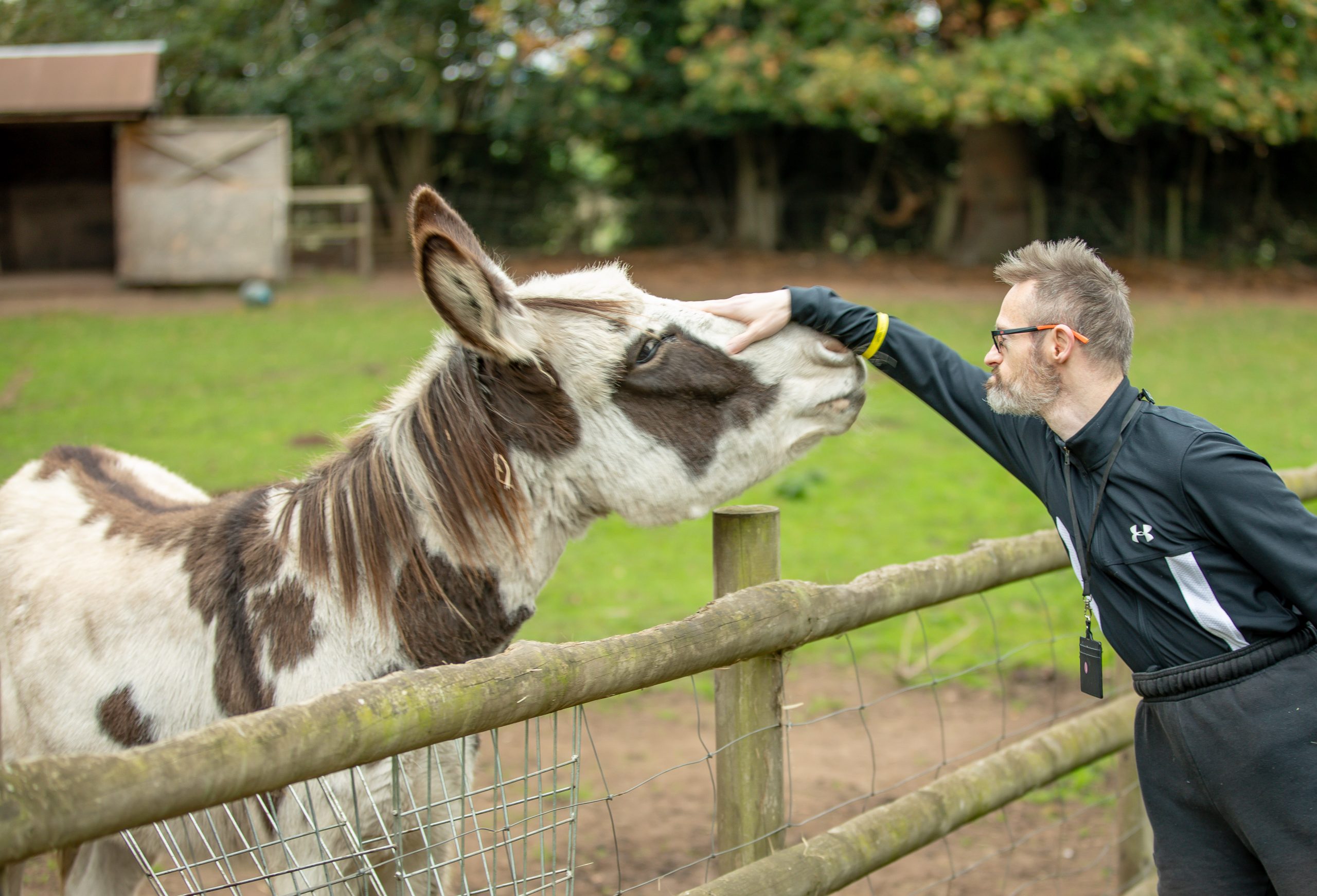
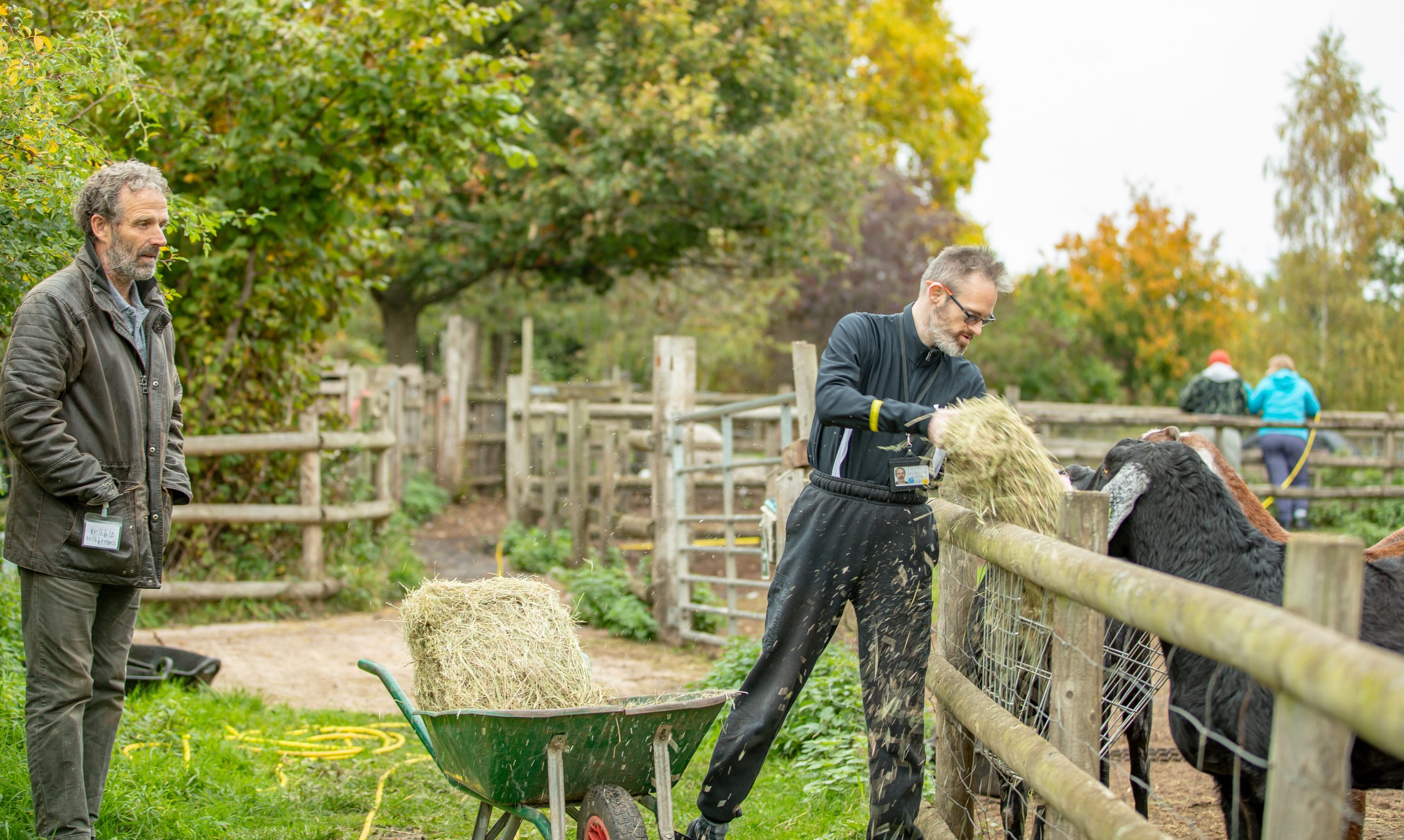
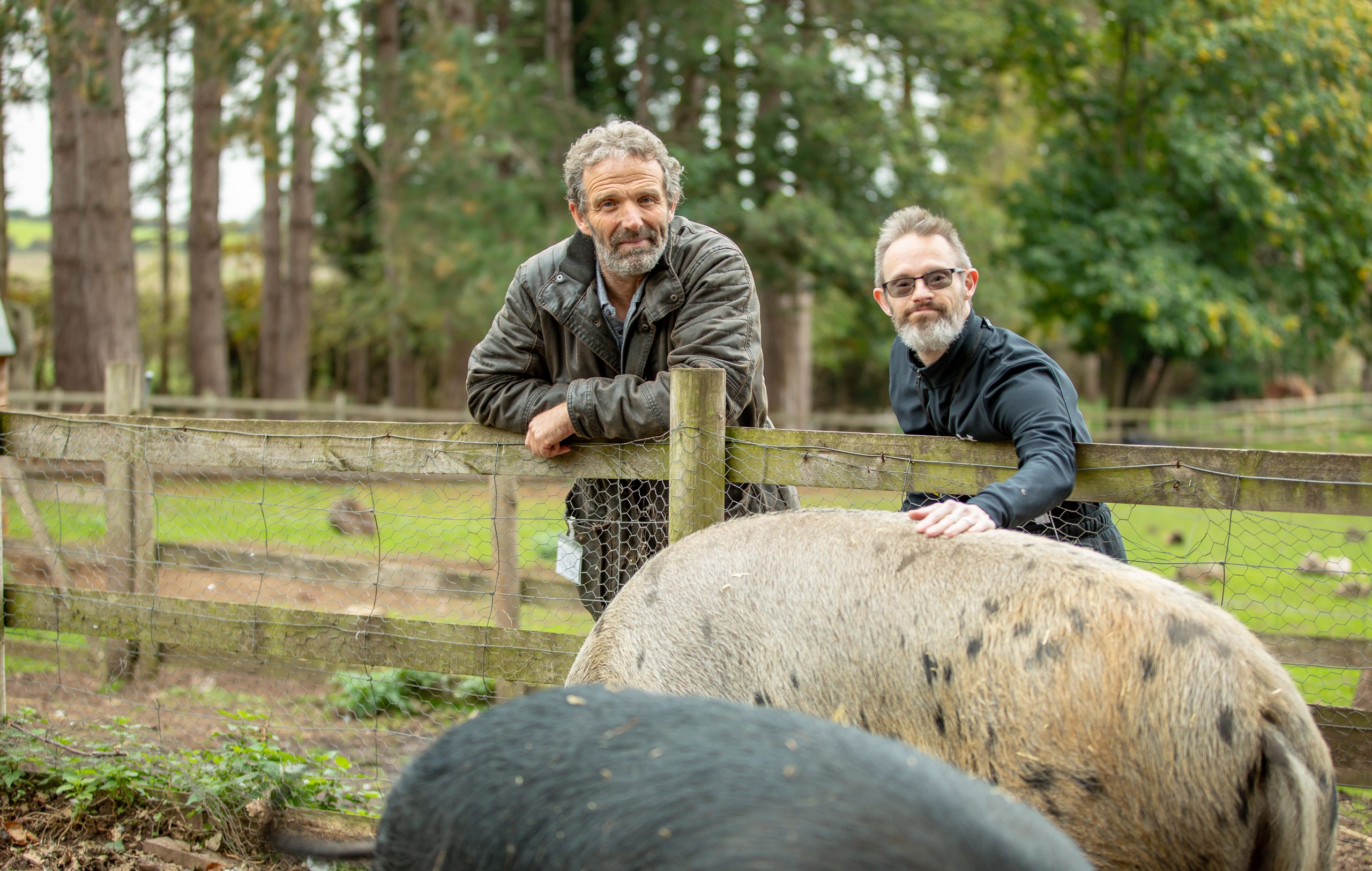
Francis, a community member, helps to cares for animals at Ashfield Gardens: “We look after animals, feeding them. I do the pigs, donkeys, goats… donkeys are the very favourite” and feels proud of the things he’s made himself that enhance his local green space: “I made the bridge for the goats. It’s for them to walk over and jump.”
-
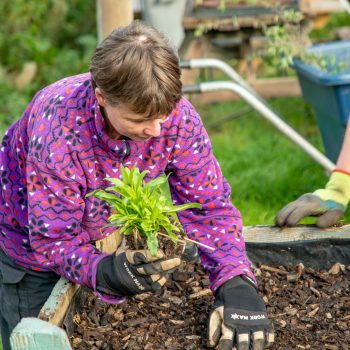
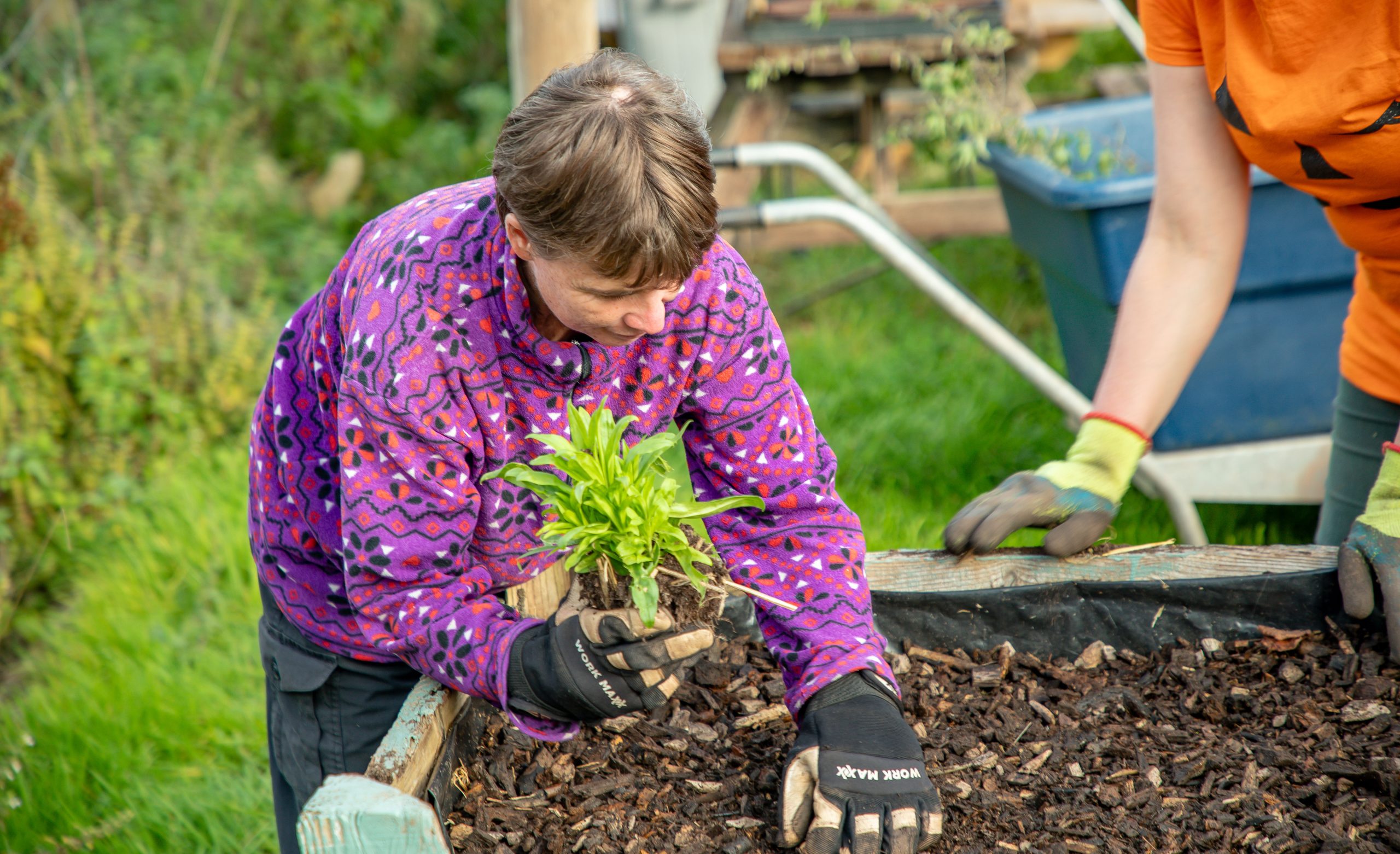
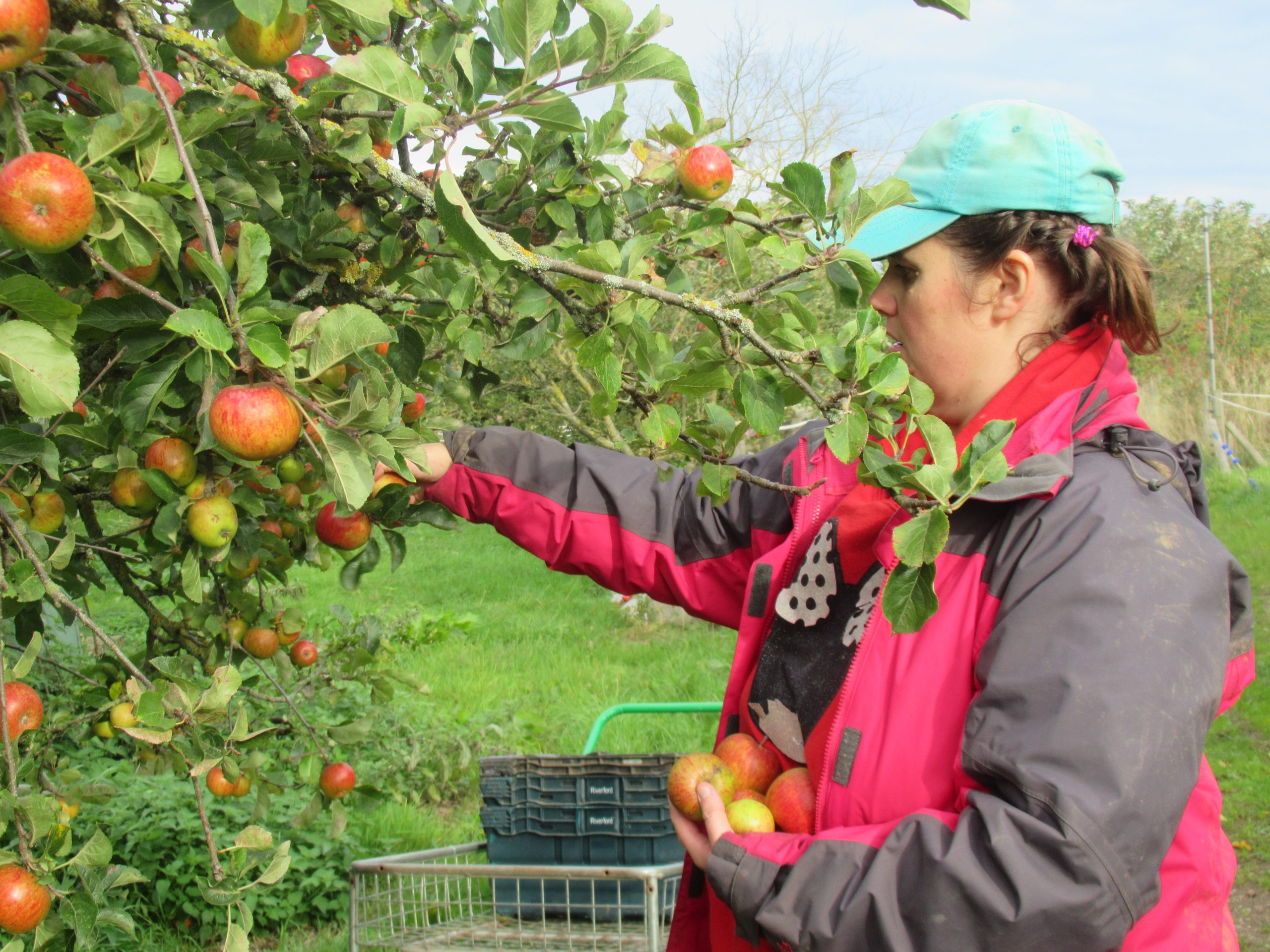
- Kerri planting new vegetables in a raised bed.
Peter, a person we support, shared: “My favourite activity is woodwork. We’ve made a bench to go outside the office area and a bus stop sign for the shelter. Woodwork is something I learned here, I never did it before.”
Vicky collects eggs while working on the farm and these get shared between the café, the houses in the community and the food hub. She and Peter both regularly attend a walking group to get exercise and socialise with others out in nature: “I enjoy being with other people, seeing ducks in the pond,” said Vicky.
For Joseph, nature-based activities offer a sense of purpose: “Outdoor work makes me feel happy. I feel useful keeping spaces safe and tidy for other people.”
From healthy eating to sensory support
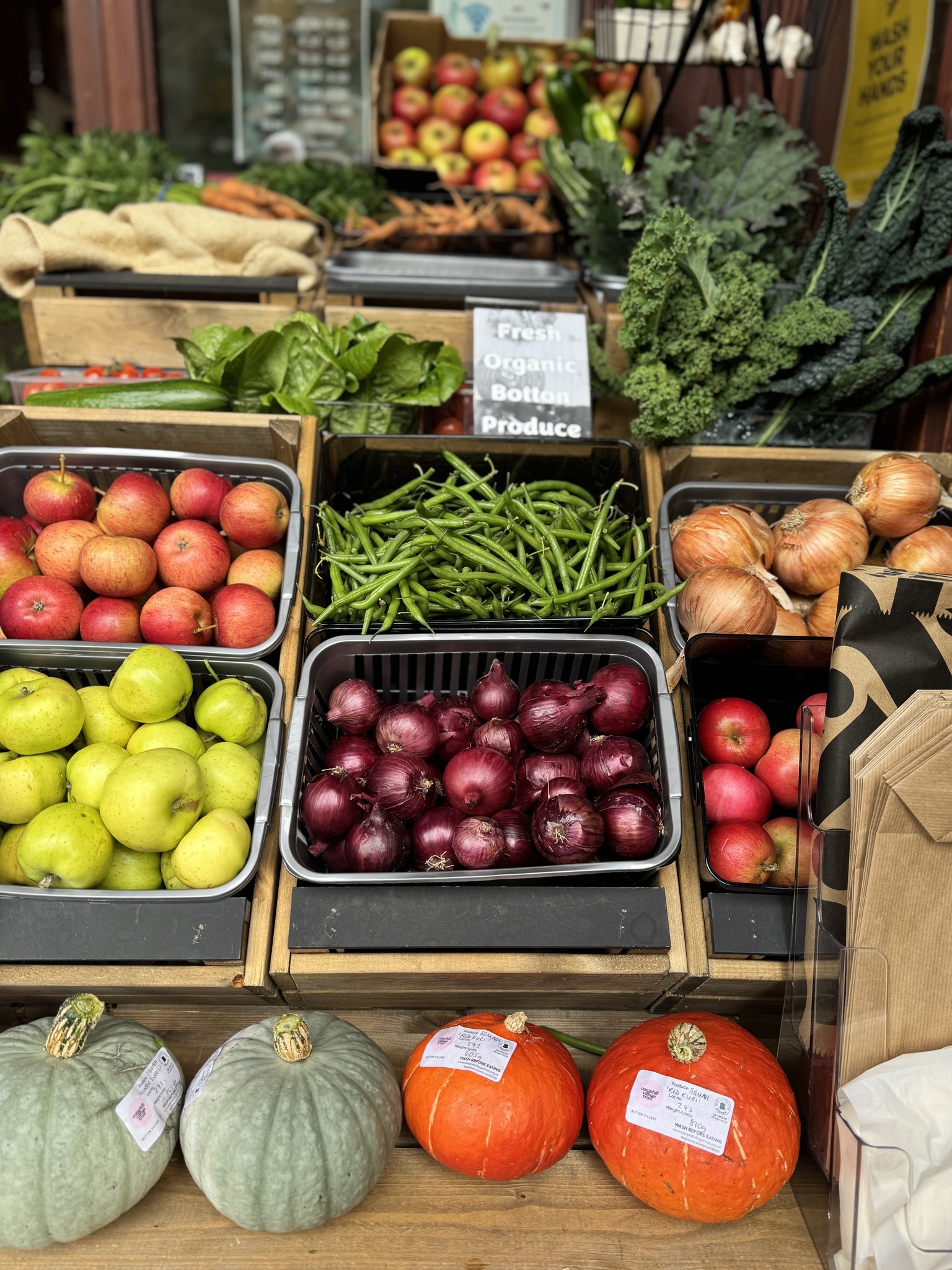
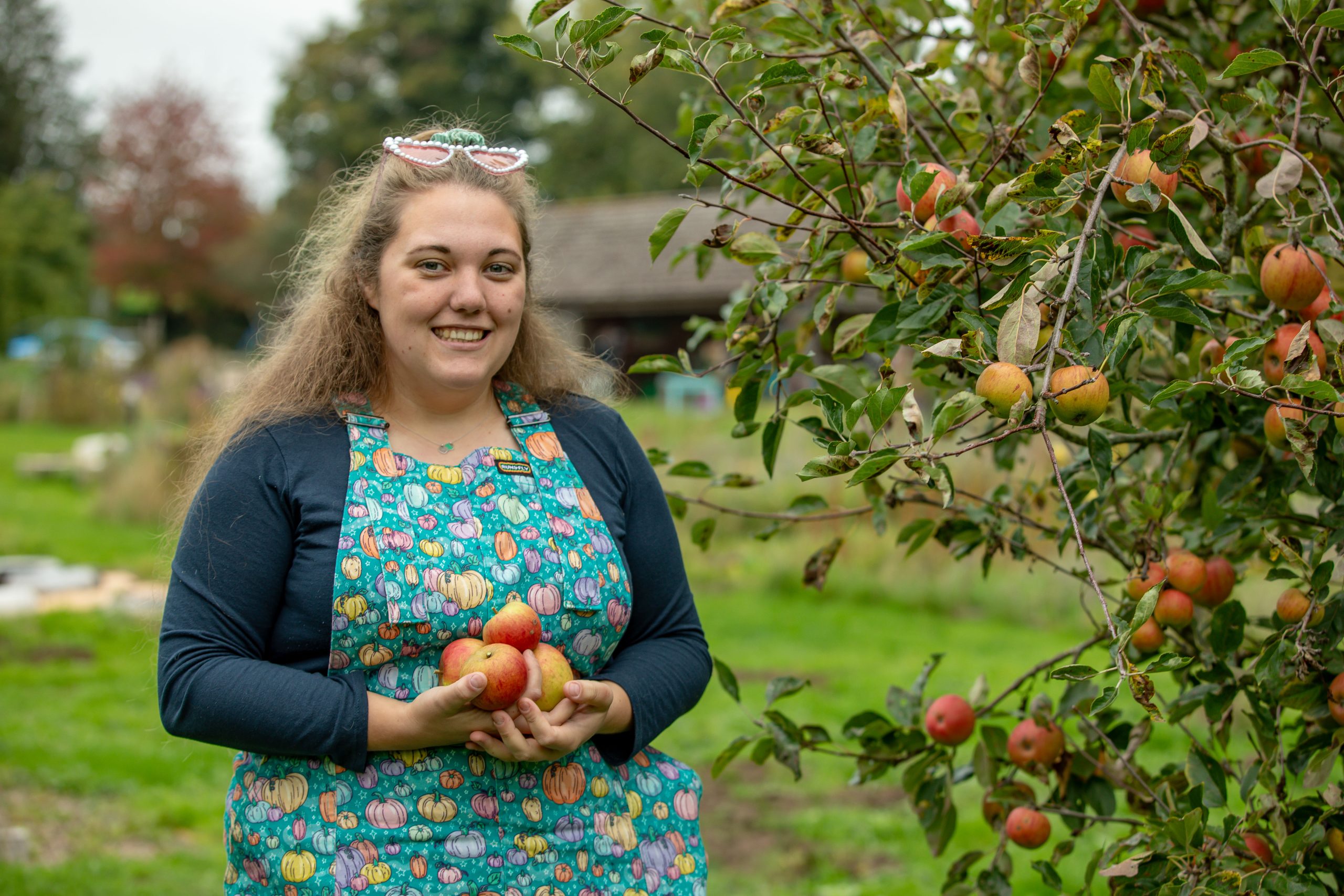
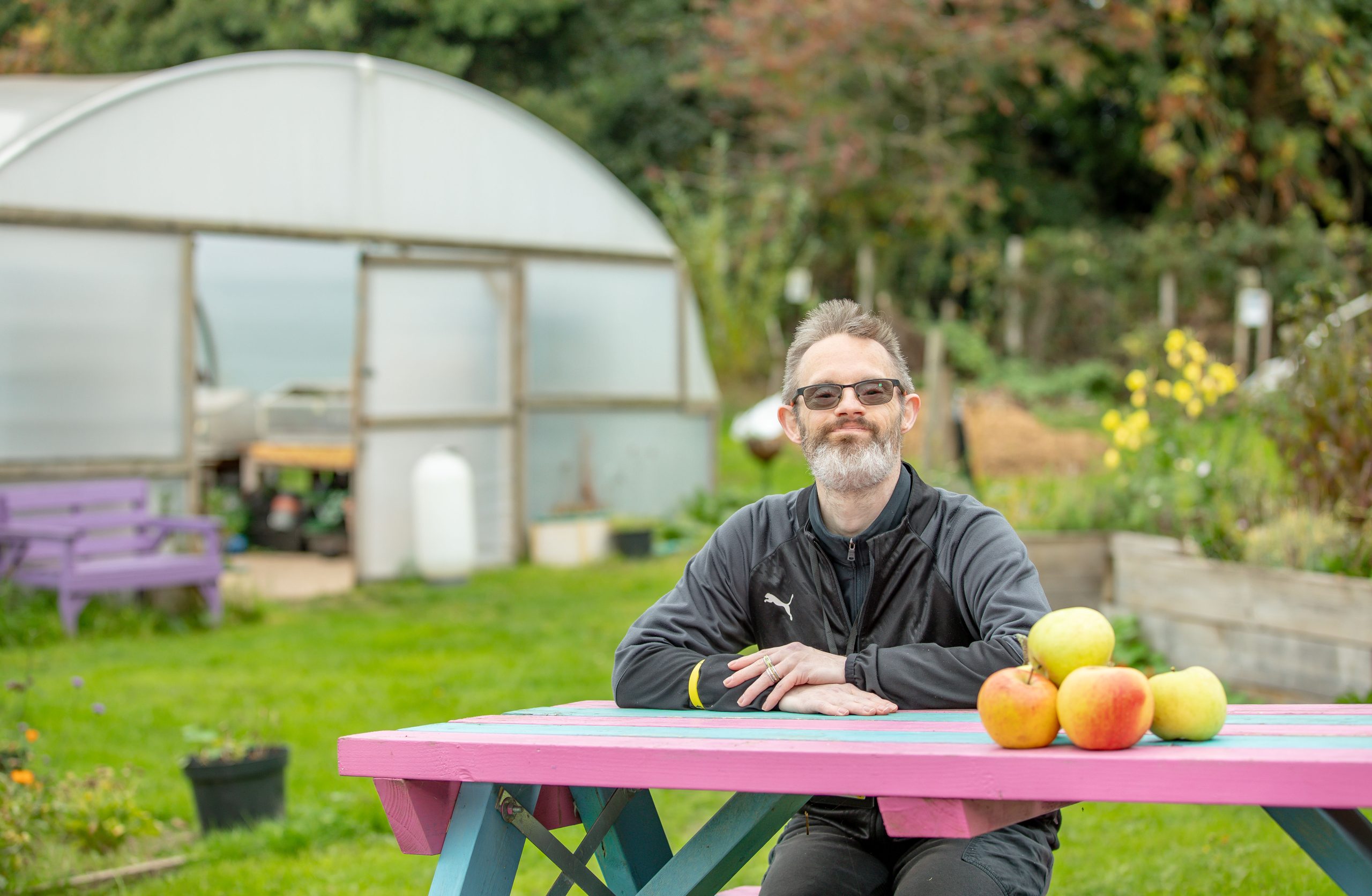
Sammy Wood (Programme Lead at Ashfield Gardens in our Stourbridge Community), describes how growing food can improve everyday life skills: “We grow all organic vegetables here, which we then use in the cooking classes. What’s really great about that is it’s healthier eating, and through the cooking we can talk about what’s healthy and what’s not.”
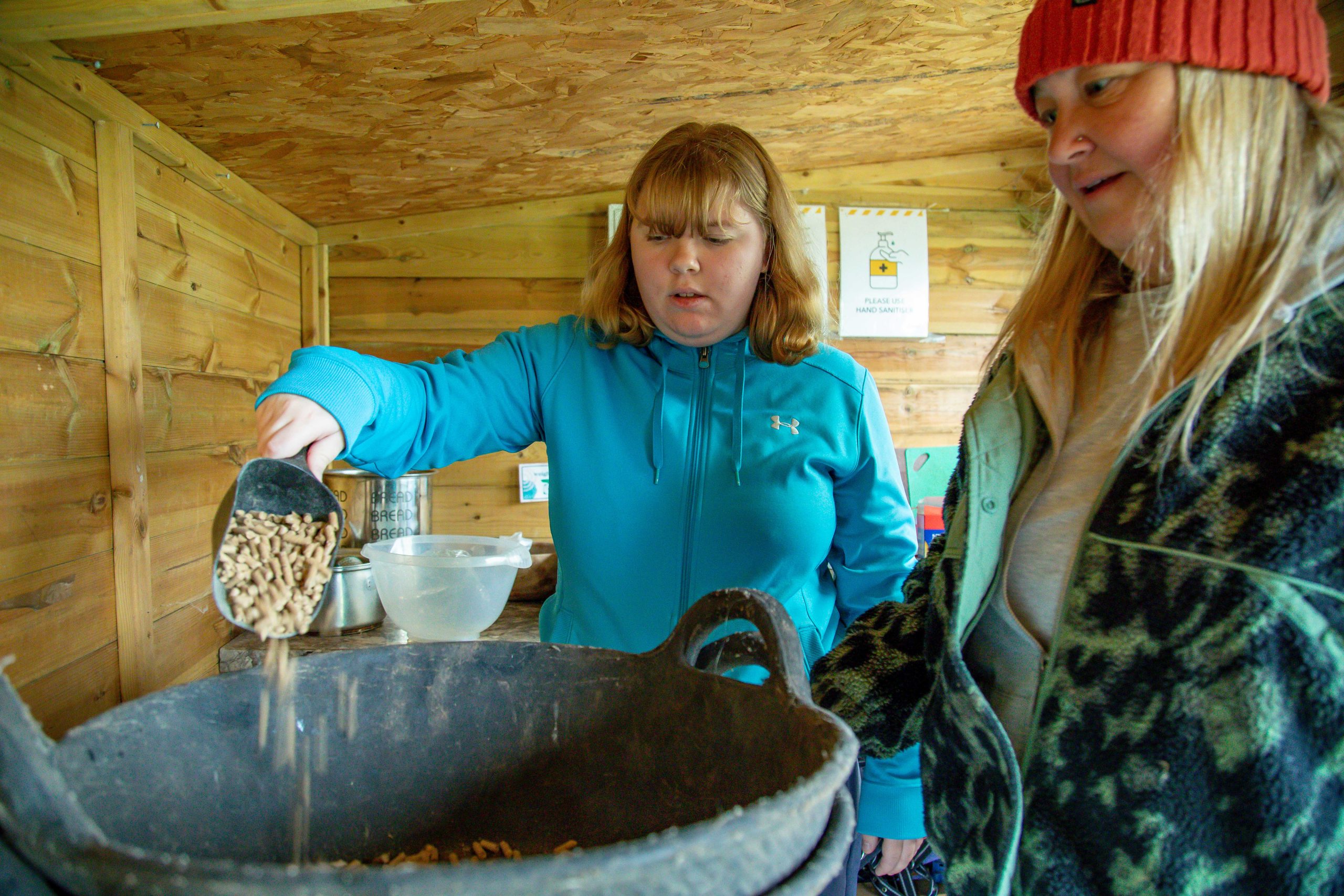
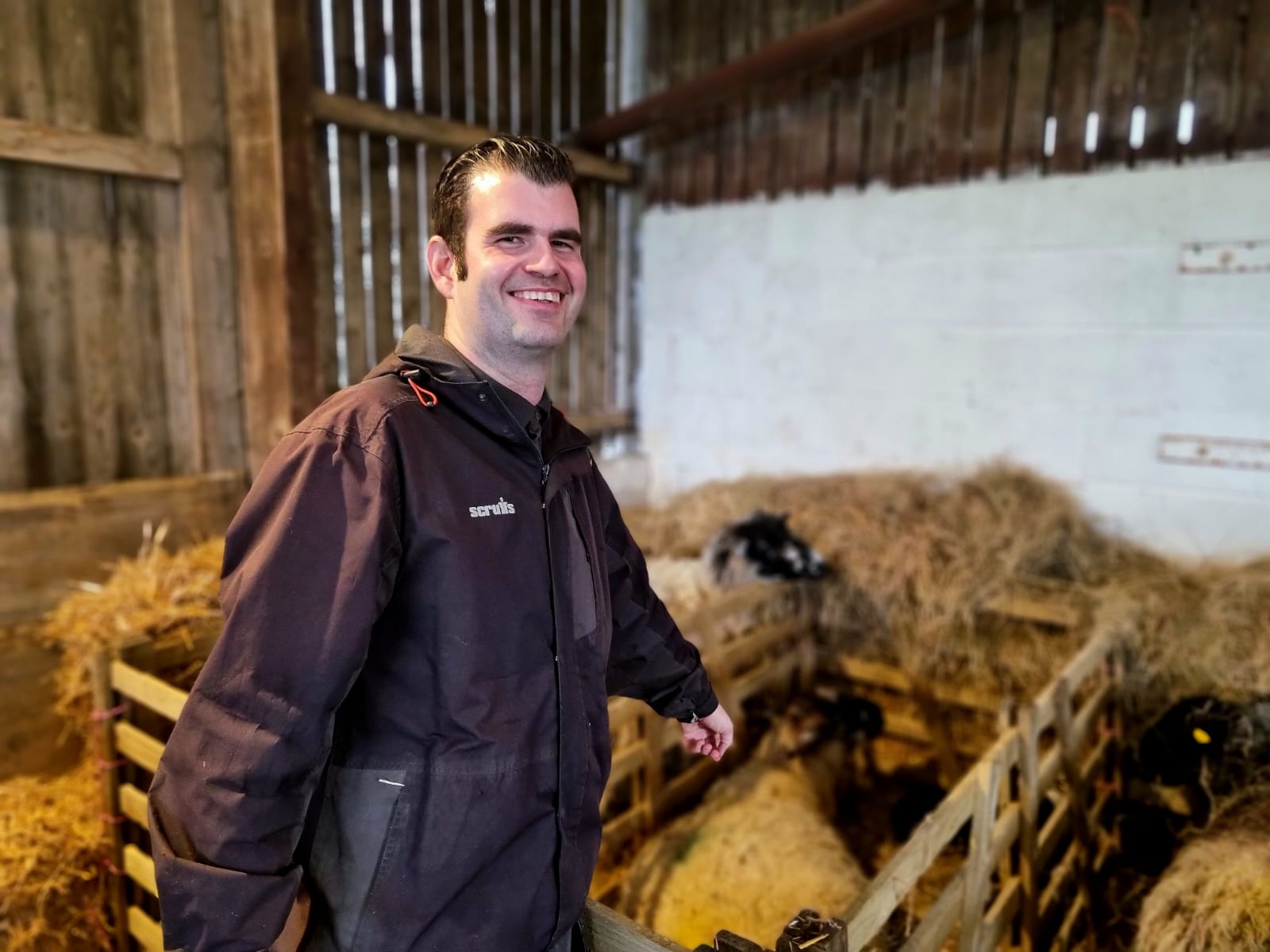
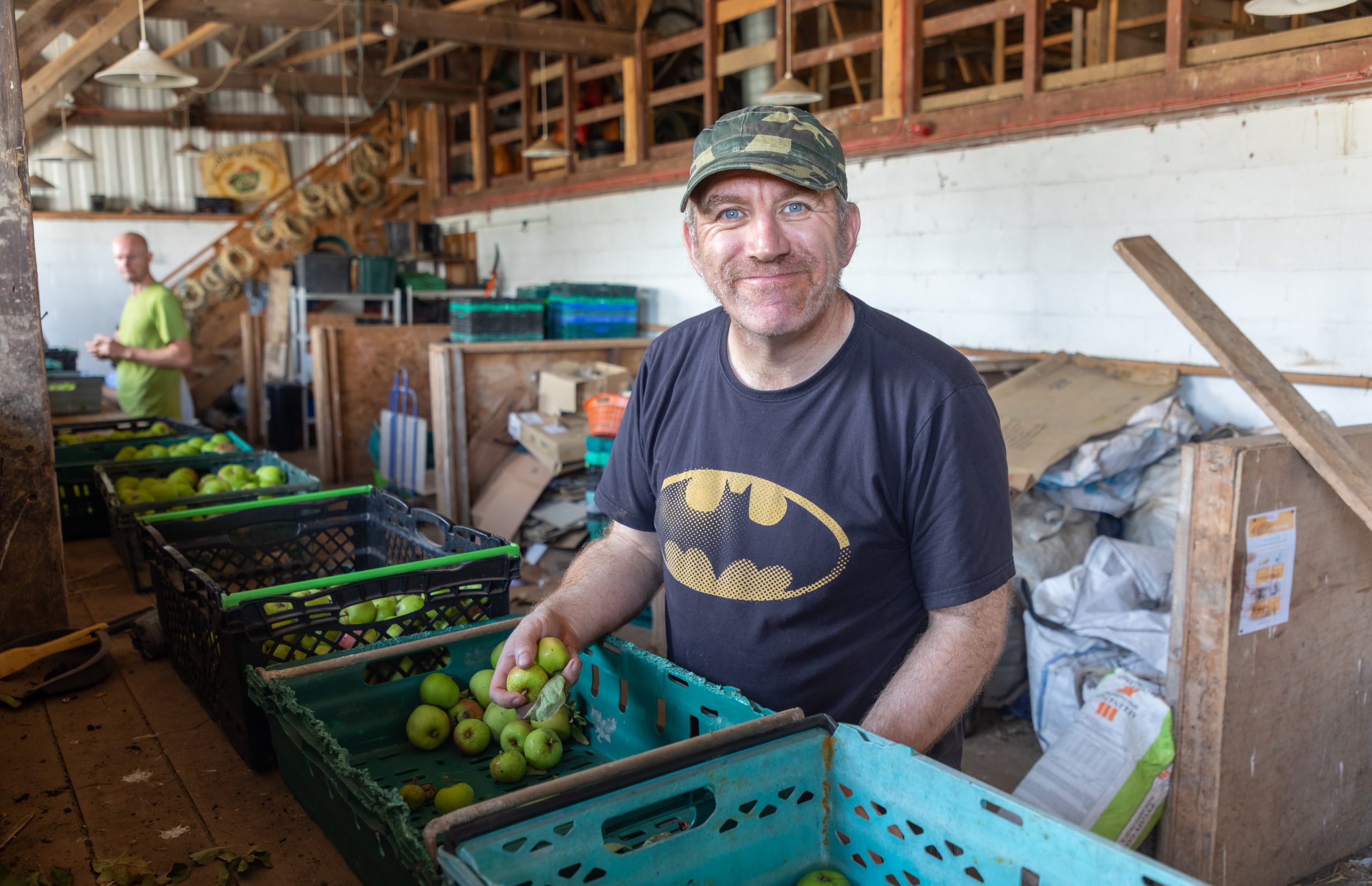
Many activities naturally support physical health too. Sammy explains: “If you’re working on the farm, you’re pushing wheelbarrows, digging, mucking out animals, harvesting apples. That really improves fitness, fine motor skills and gross motor skills. It’s a positive thing.”
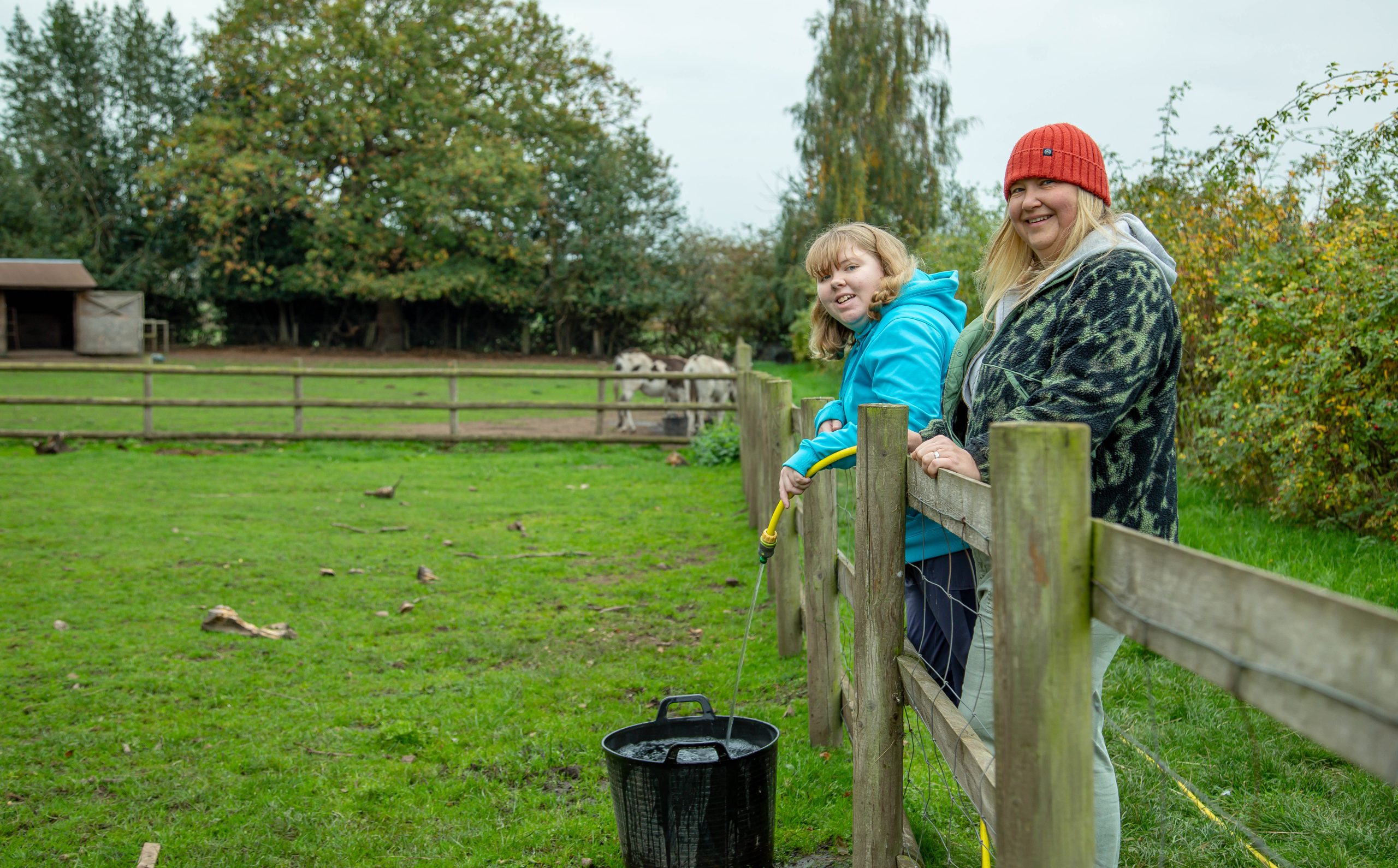
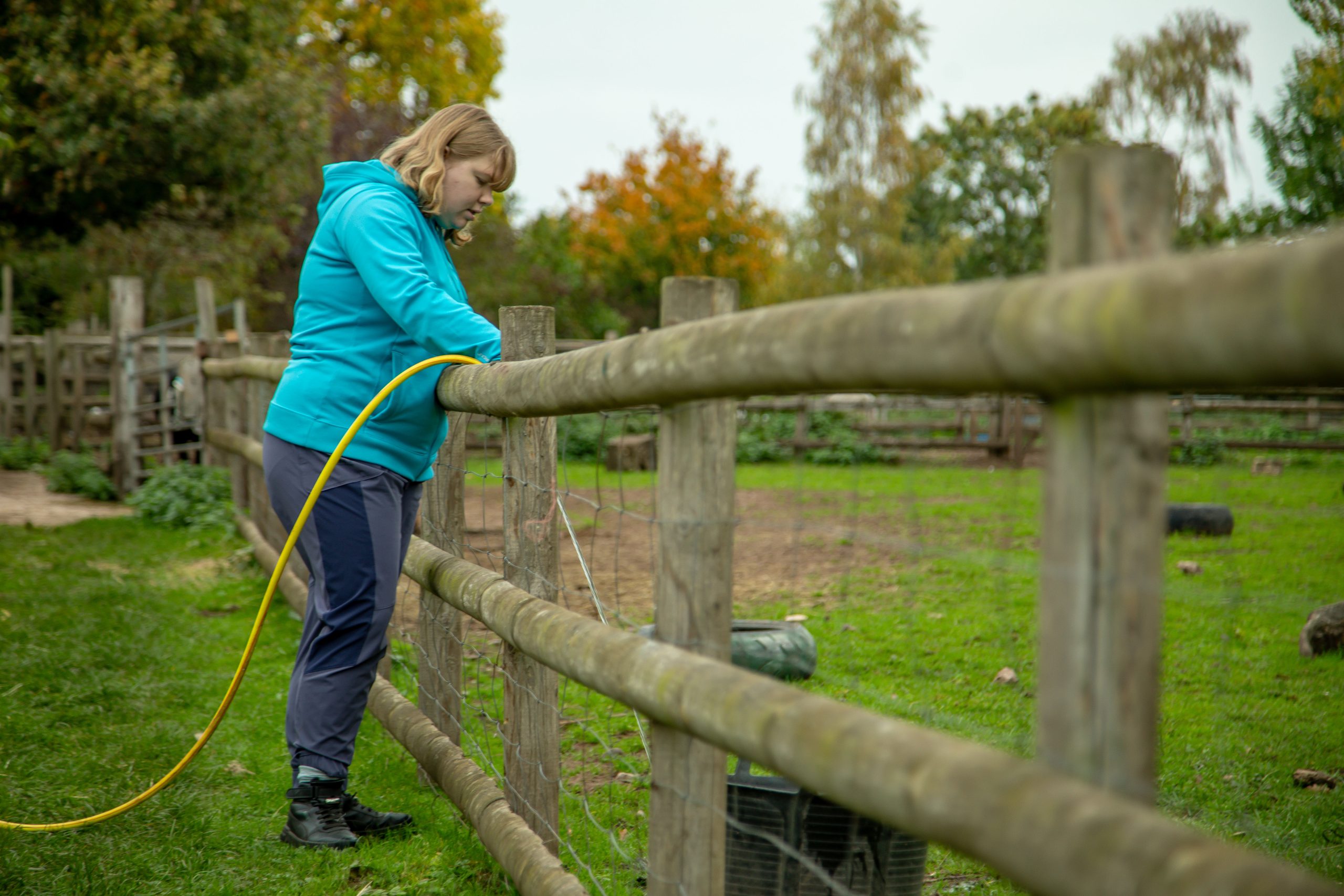
For some people, the benefits are sensory and calming. Sam shares her understanding of Amy’s experience: “Amy absolutely adores water. She gets a lot of sensory feedback from it. She’s also really good at collecting leaves. She likes to watch them crinkle and fall. It’s a really meaningful job because it keeps paths safe, and it makes leaf mulch for the garden as well.”
Bringing out creativity
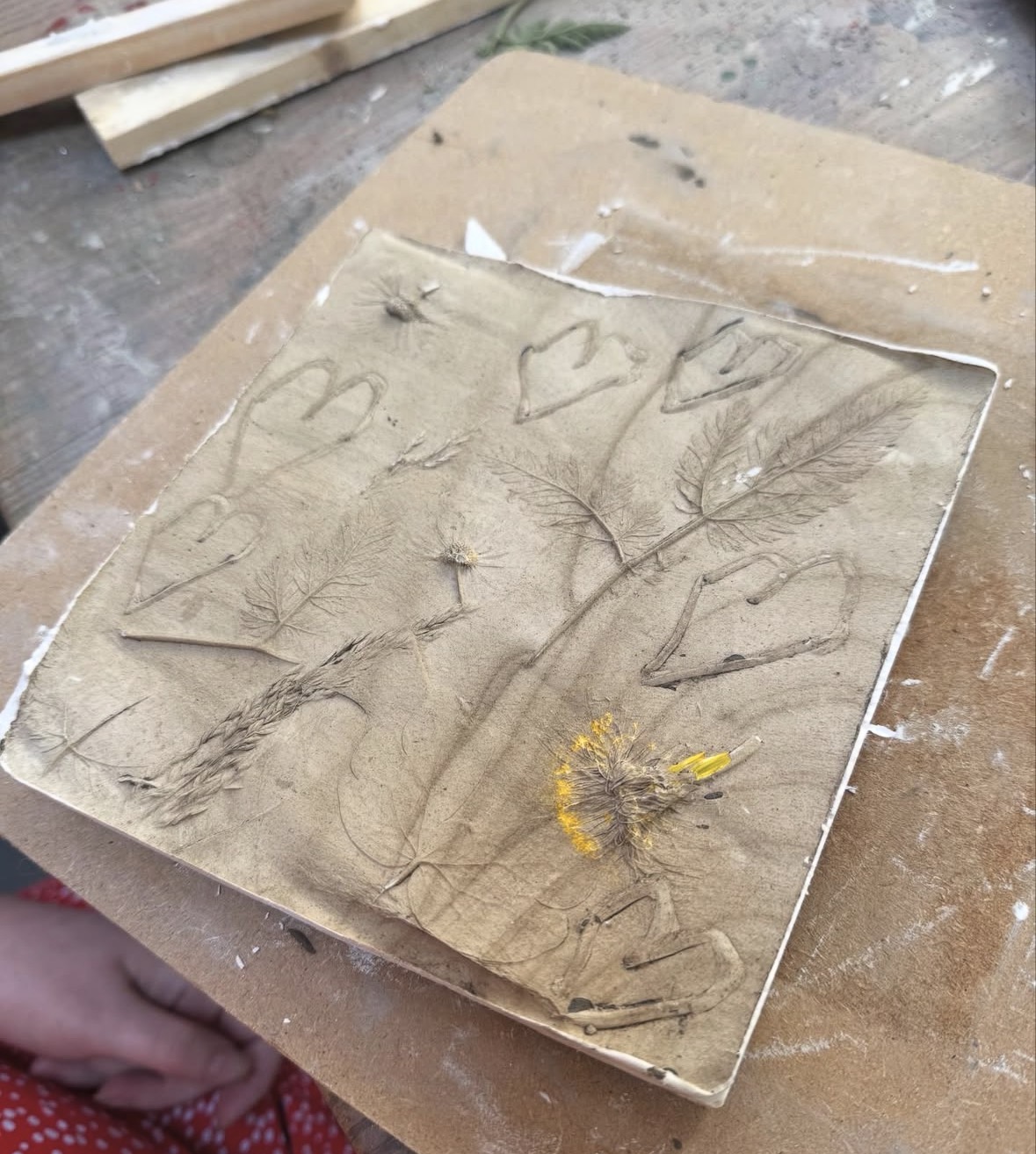
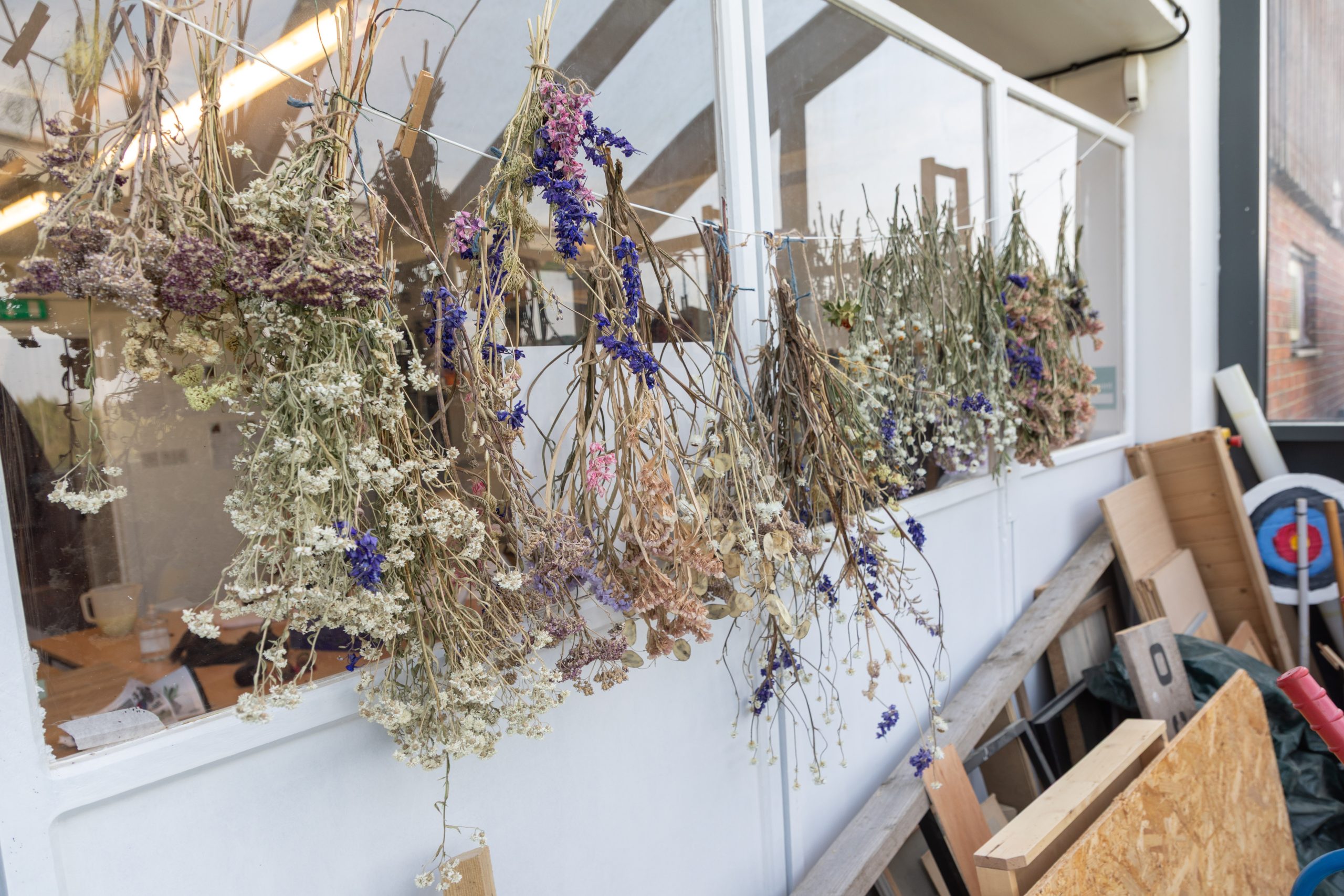
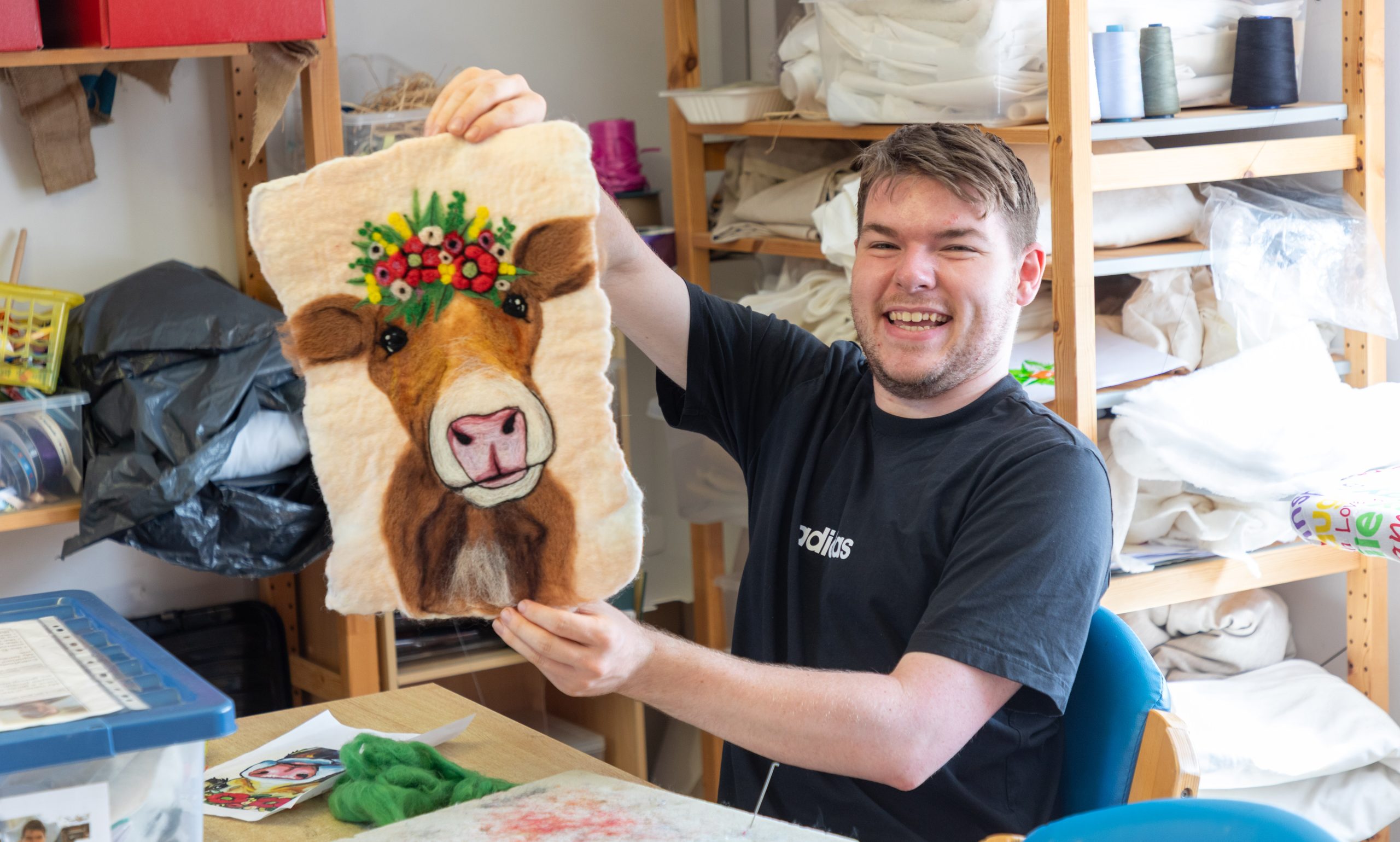
Every activity has more to it than meets the eye. In our NBTS craft workshops, we welcome nature in using natural materials and seasonal projects. Kat Collins shares some of the impacts these sessions can have: “Pottery is a lovely, nice thing to do, but nothing we do is just crafts. It’s very important for fine motor skills and, because of the nature of clay, you have to be ‘in the moment’ to do it right.
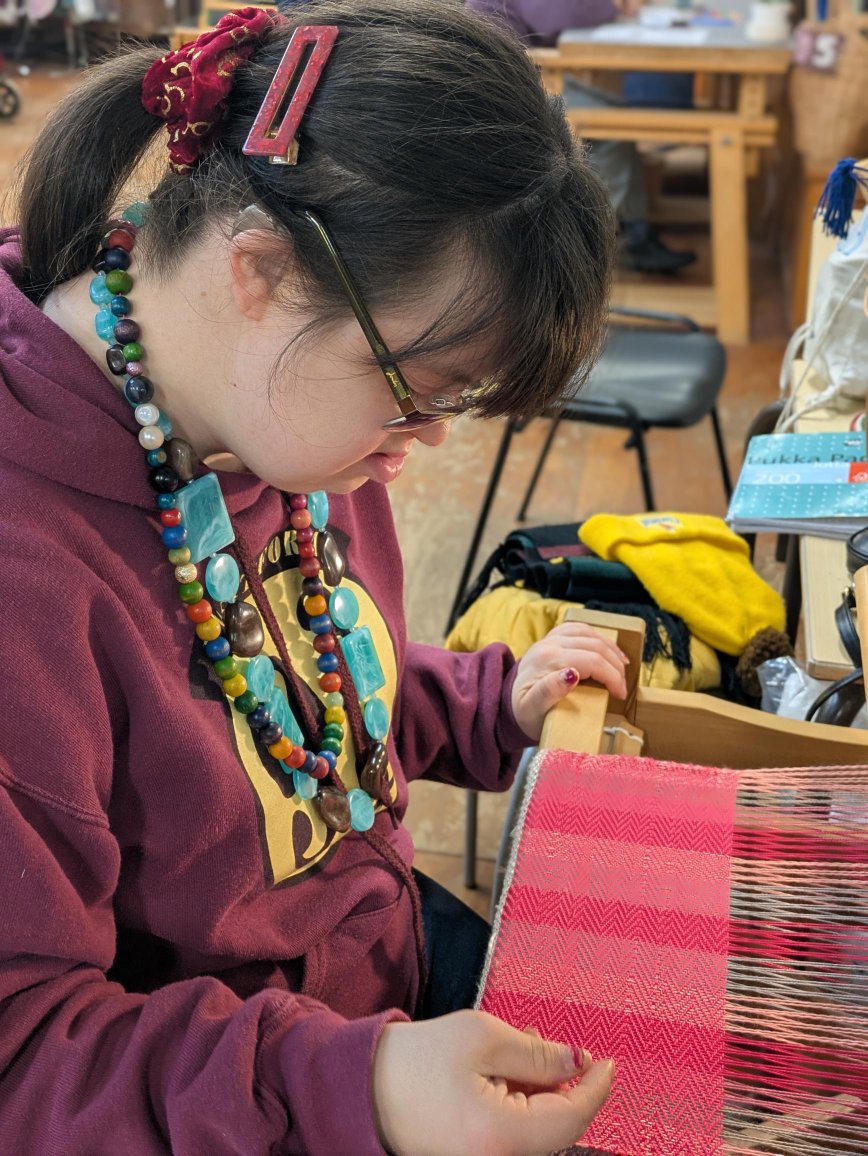
“In textiles or cookery, a lot of the basic skills behind them are about maths. In music and drama, performing brings confidence through speaking in public and being able to express themselves. Gardening and farming are both important because they come with responsibilities for looking after something beyond themselves.
“We support people to feel that they're able to bring out their creativity at their own speed,” said Kat. “Whether it takes them 5 weeks or 5 years to create their piece of artwork, it's about the journey they take, not the actual piece of art itself.”
A ‘growing’ movement
This approach makes a difference that can be seen and felt in daily life. Spending time outdoors, noticing the seasons, and taking part in practical activities helps people stay active, feel calmer, and connect with others in ways that feel natural and achievable.
Over time, Green Care supports better health, greater independence and even longevity. It’s an approach that works, and one we want to help grow across the social care sector.
Green Care is growing across health and social care. Between 2021 and 2023, more than 8,500 people in England took part in nature‑based activities through the national Green Social Prescribing programme.
Independent evaluation found clear improvements in mental wellbeing, and showed that for every £1 invested, up to £2.42 of social value was created (National Academy for Social Prescribing, 2023).
Because of this impact, national funding for Green Social Prescribing was extended through 2025, supporting wider use of nature‑based approaches across communities and care settings (NHS England, 2025). This shows that Green Care is not a passing trend, but a growing, practical and cost‑effective way to improve wellbeing and reduce pressure on health and social care services.
Towards a Green Care future
At Camphill Village Trust, we are proud to contribute our long‑standing experience, communities and green spaces to this growing movement, helping to shape a future where nature makes a positive difference to everyday care.
References
National Academy for Social Prescribing (2023) The cross‑government Green Social Prescribing Programme: results and findings. London: NASP. Available at: https://socialprescribingacademy.org.uk/what-is-social-prescribing/green-social-prescribing/the-cross-government-green-social-prescribing-programme/ (Accessed: 17 April 2026).
NHS England (2025) Five years of a greener NHS: progress and forward look. London: NHS England. Available at: https://www.england.nhs.uk/publication/five-years-of-a-greener-nhs-progress-and-forward-look/ (Accessed: 17 April 2026).