This week is Learning Disability Week, and this year’s theme asks an important question: “Do You See Me?”
It’s a simple question, but for many people with learning disabilities, it reflects everyday experiences of being overlooked, underestimated, excluded, or spoken for.
At Camphill Village Trust, we believe people with learning disabilities should be seen for who they are: individuals with talents, ambitions, opinions, skills and contributions that matter. Learning Disability Week is an opportunity to celebrate this and to challenge the barriers that still exist.
In our communitie, “Do You See Me?” means:
- Do you see my abilities, not just my support needs?
- Do you see me contributing to my community?
- Do you see me learning new skills, building confidence and growing in independence?
- Do you see me as a colleague, volunteer, artist, gardener, café worker, friend or neighbour?
Because people with learning disabilities belong in every part of community life.
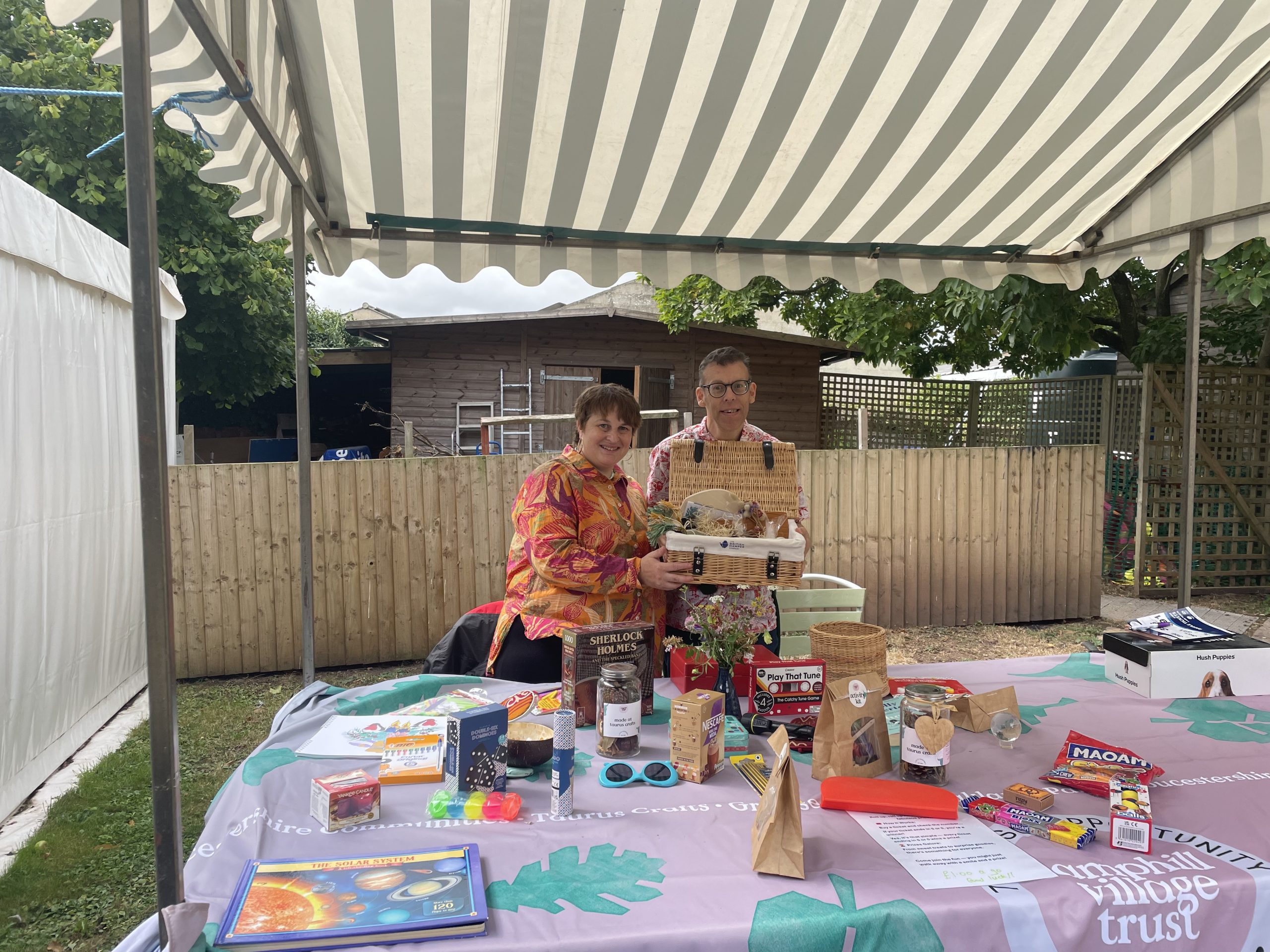
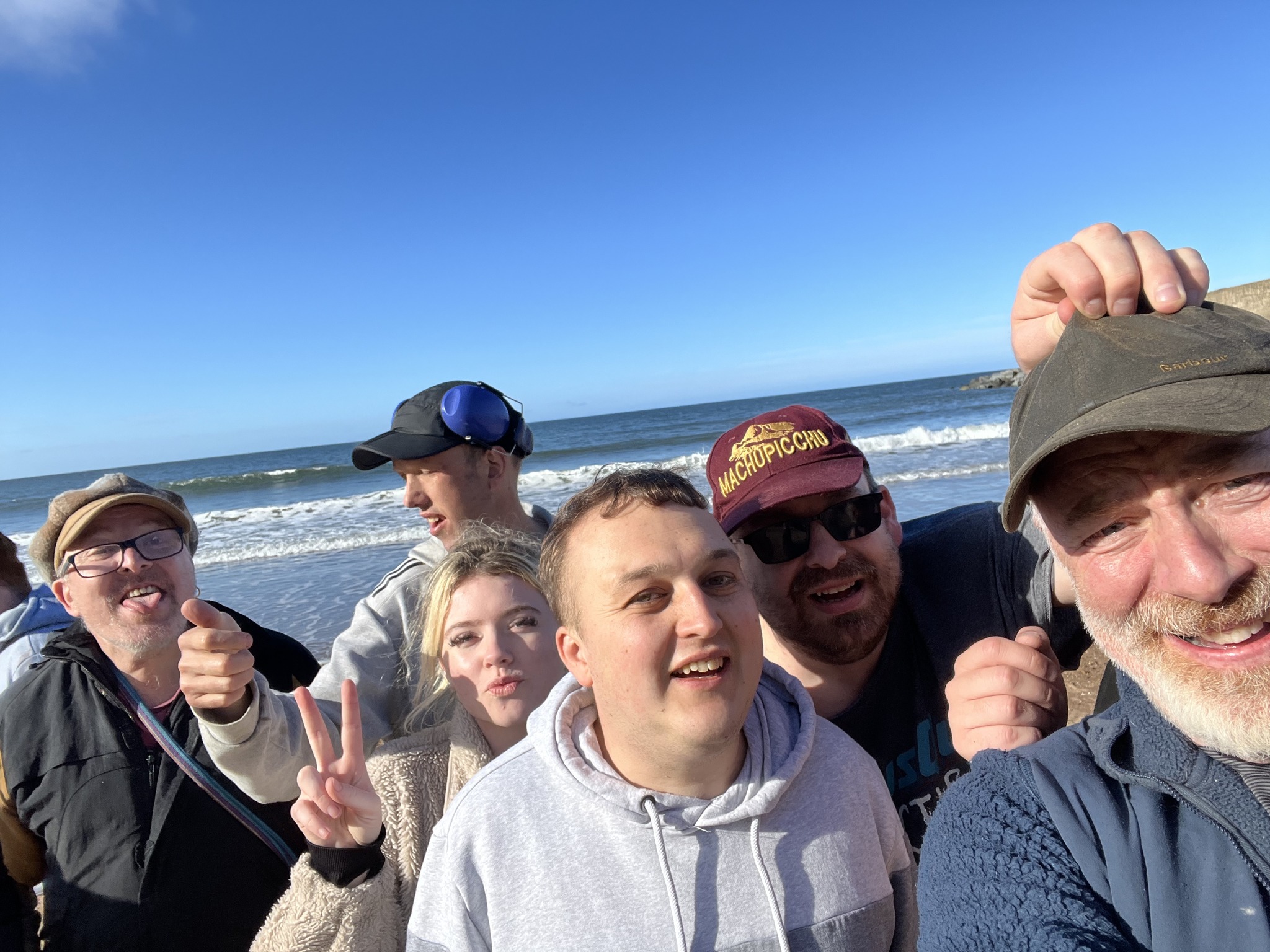
Being Seen in Everyday Life
Sometimes being seen is about the small everyday moments that many people take for granted.
- It’s the confidence to greet a customer in one of our cafés.
- It’s learning how to use a till for the first time.
- It’s serving a freshly made coffee.
- It’s volunteering in a public-facing role and feeling valued by the community.
- It’s having the opportunity to make choices, try something new, and be recognised for your contribution.
Across our communities and social enterprises, people we support are gaining real-life experience in hospitality, retail, land-based activities, arts, gardening and more. These opportunities are not just about learning practical skills, they are about confidence, visibility, connection and belonging.
When someone walks into one of our cafés and is welcomed by a person with learning disabilities working front of house, it challenges assumptions. It reminds people that inclusion is about being present, participating and thriving.
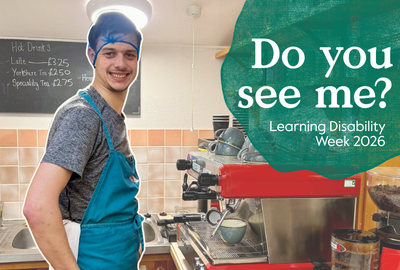
“Do you see me making a payment?” - Matty, who works in Cafe on the Corner, St Albans Community
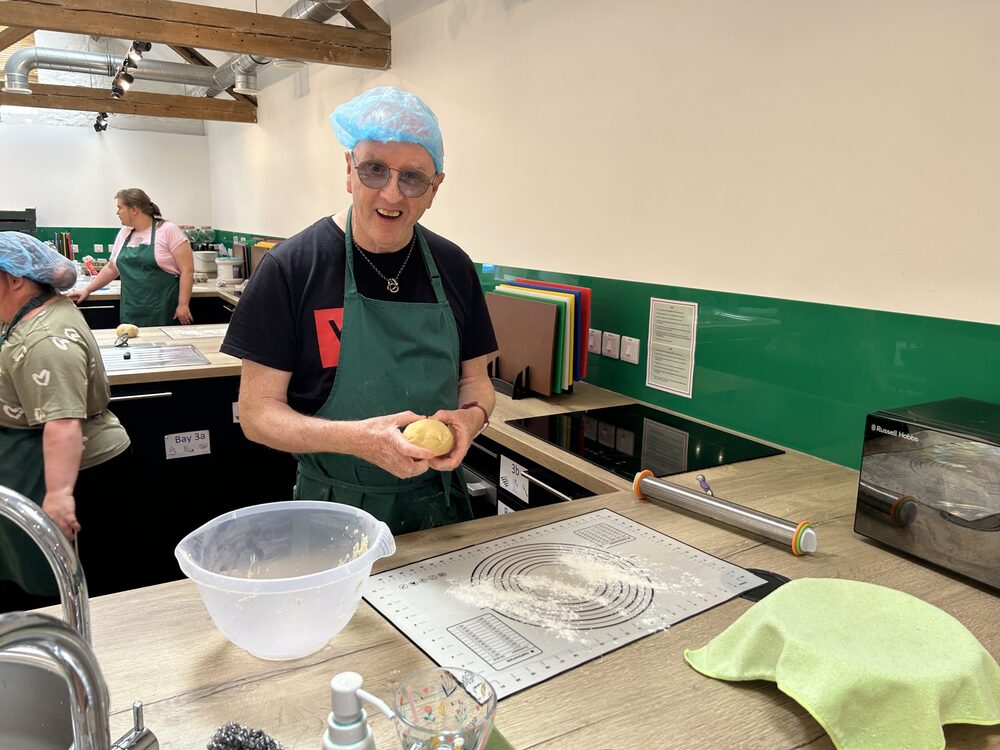
“Do you see me making a coffee?” - Simon, who works in Botton Cafe, Botton Village Community
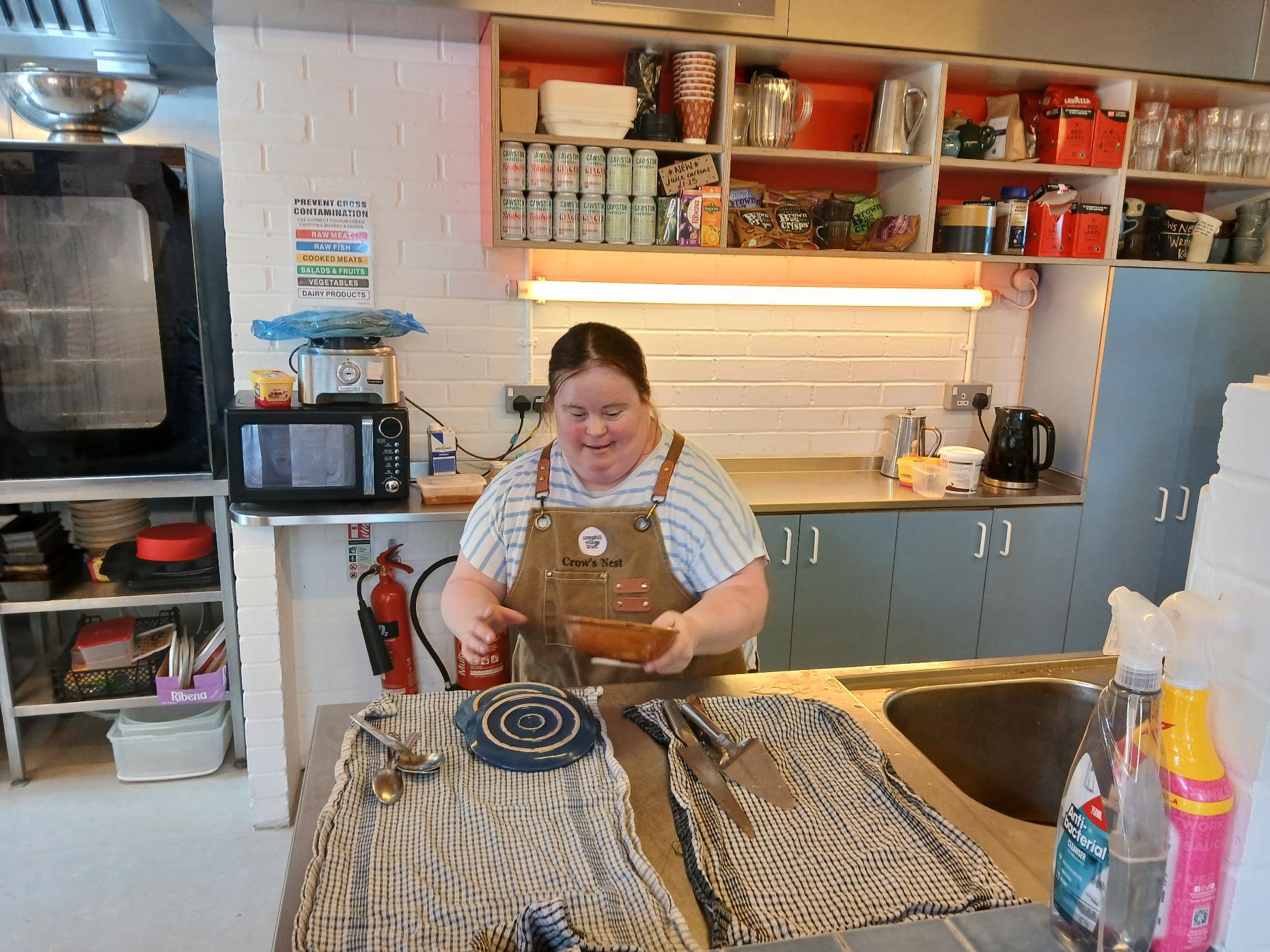
“Do you see me using the till?” - Cherry, who works in our Crow's Nest Kitchen community cafe, Grange Village Community
These moments matter.
-
- Cherry
-
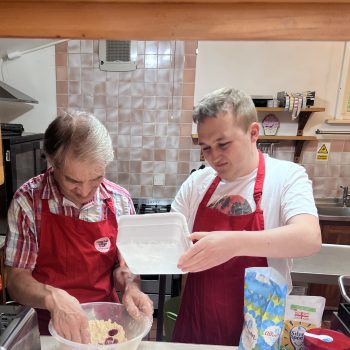
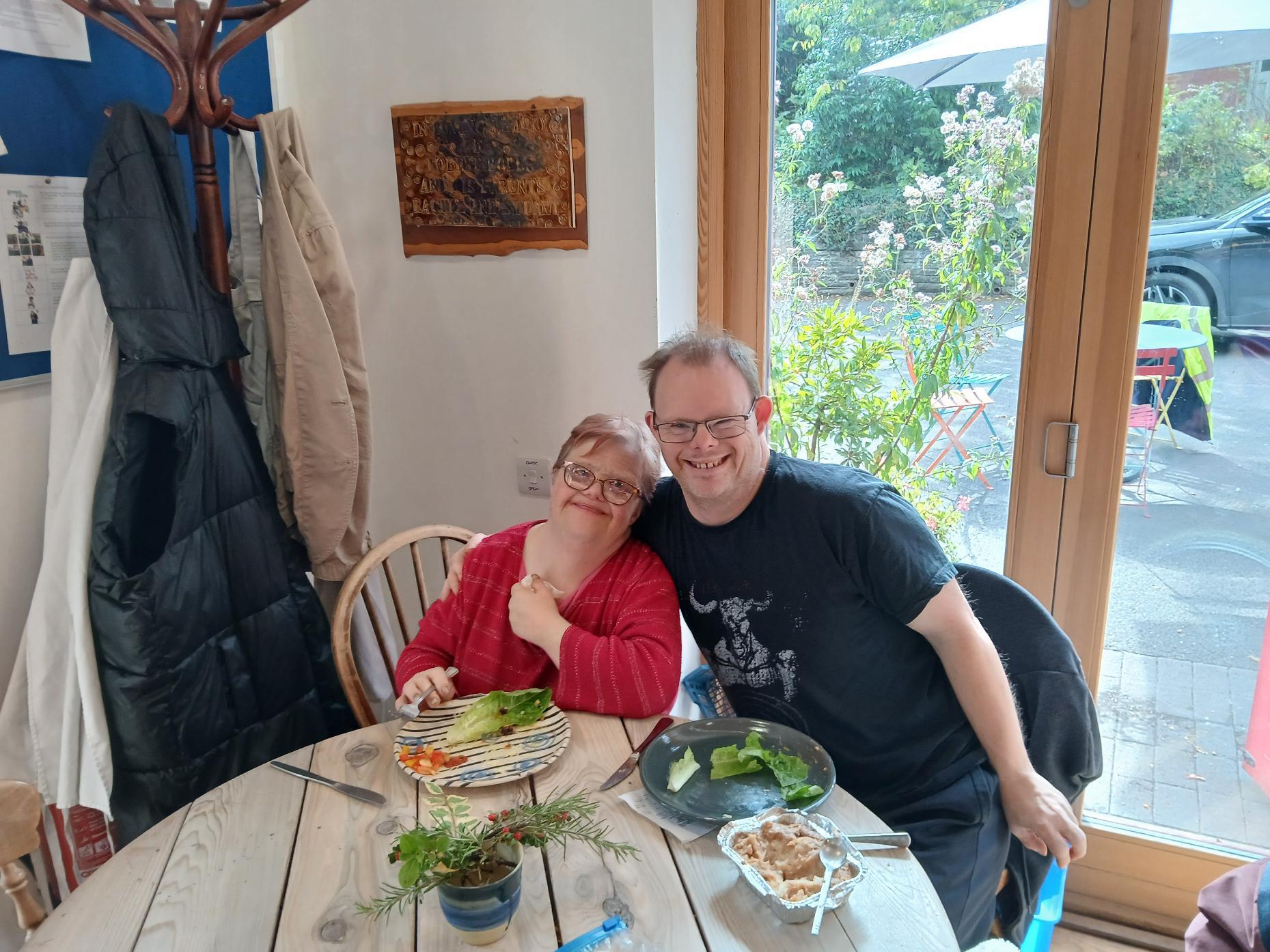
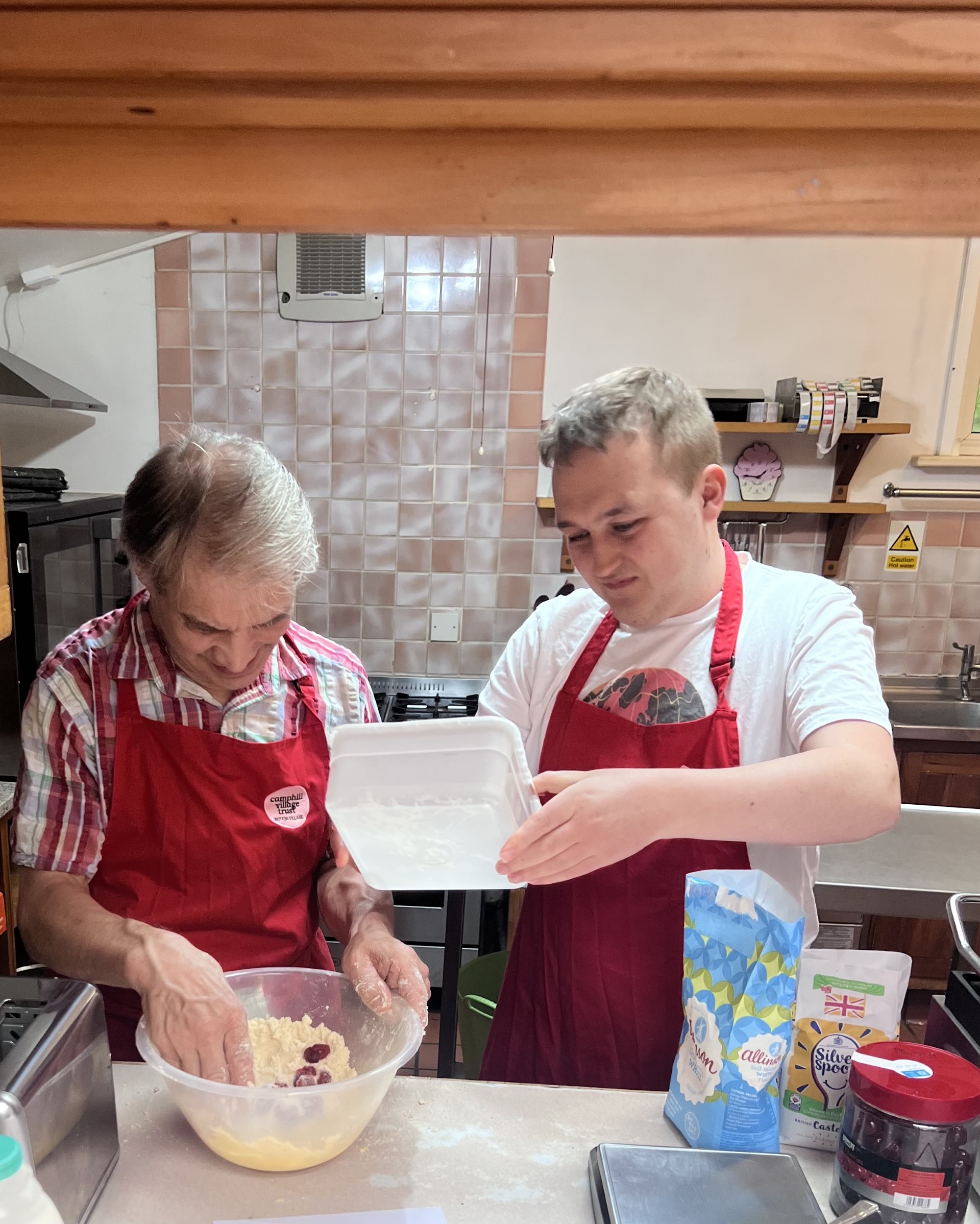
- Simon and Stephen
-
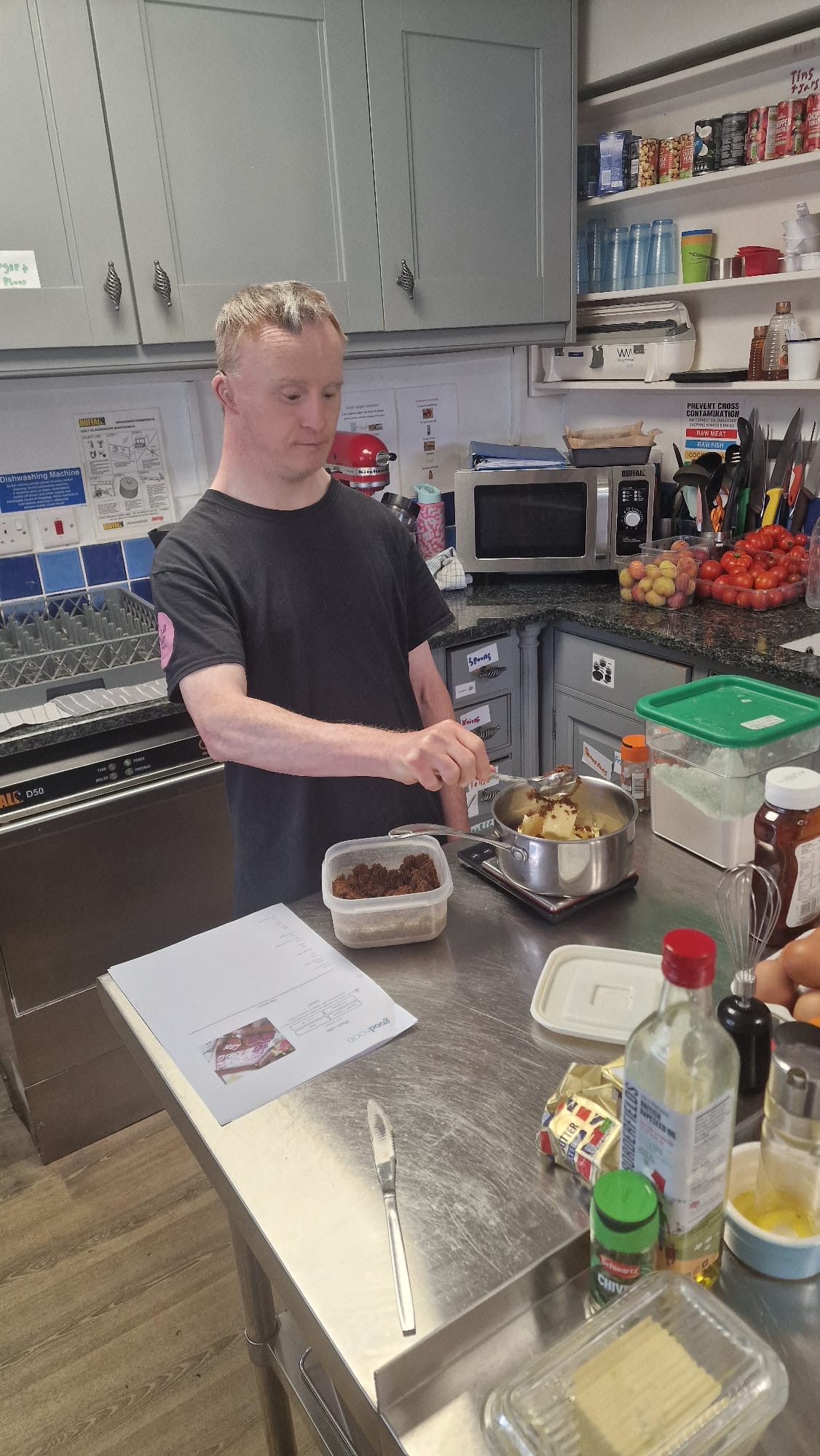
- Matty
The Importance of Nature, Community and Connection
Being seen is also about having spaces where people can truly be themselves.
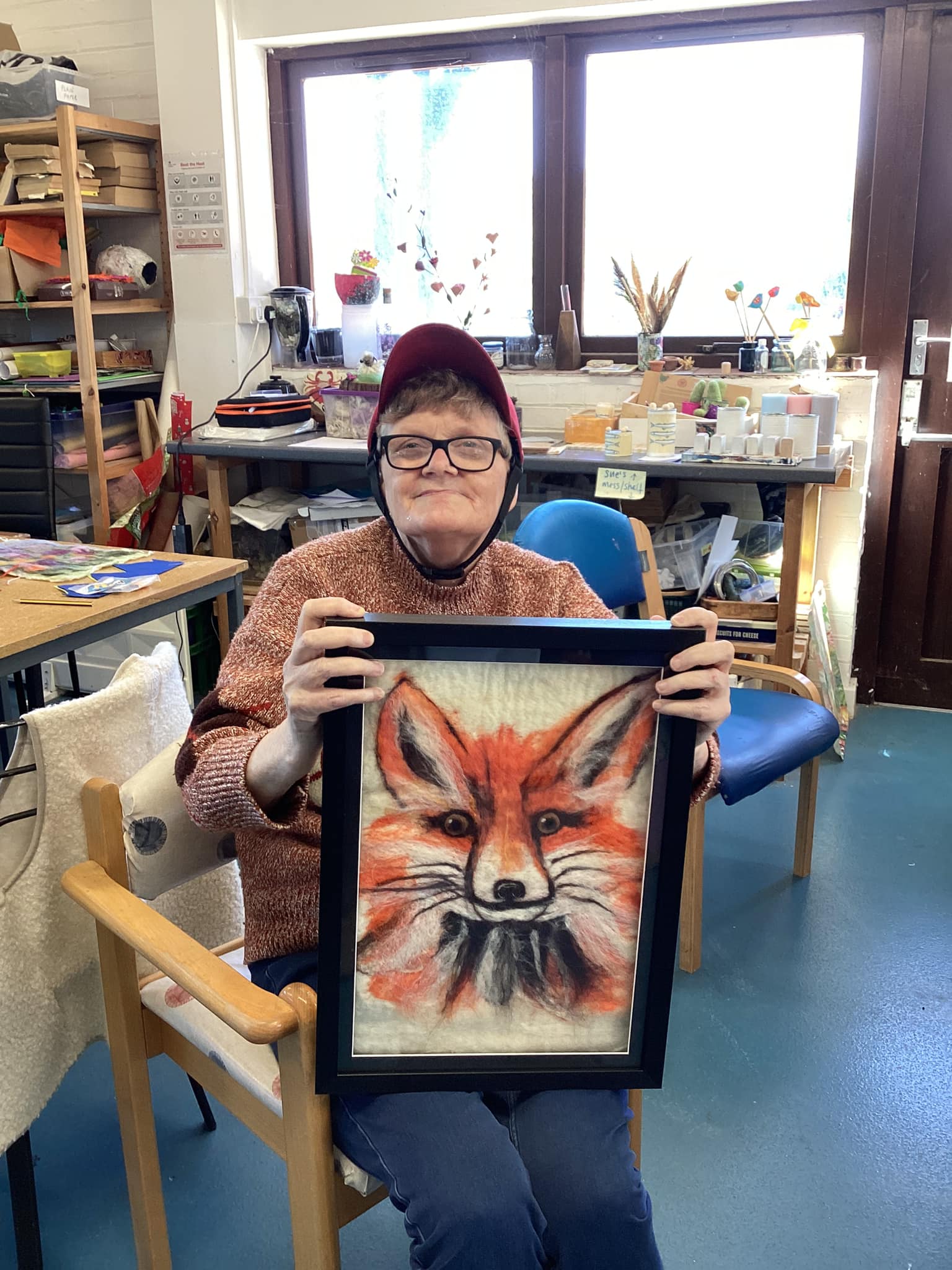
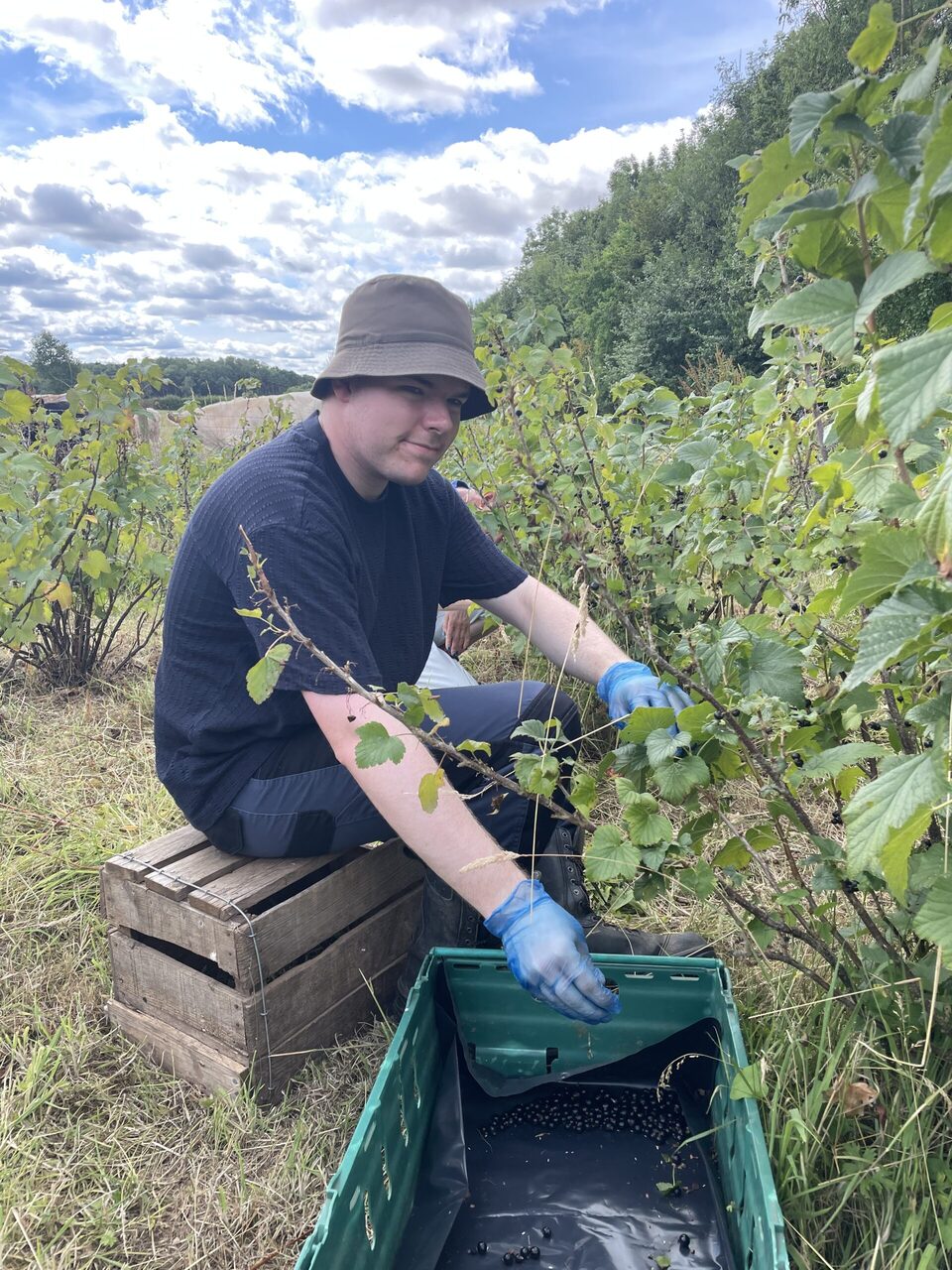
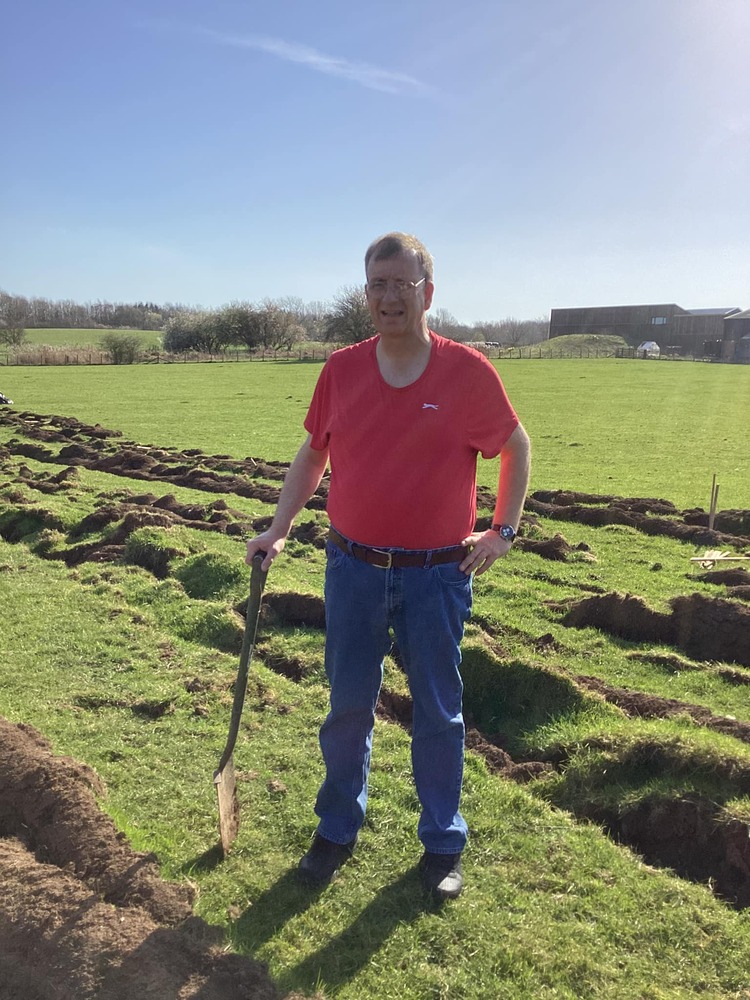
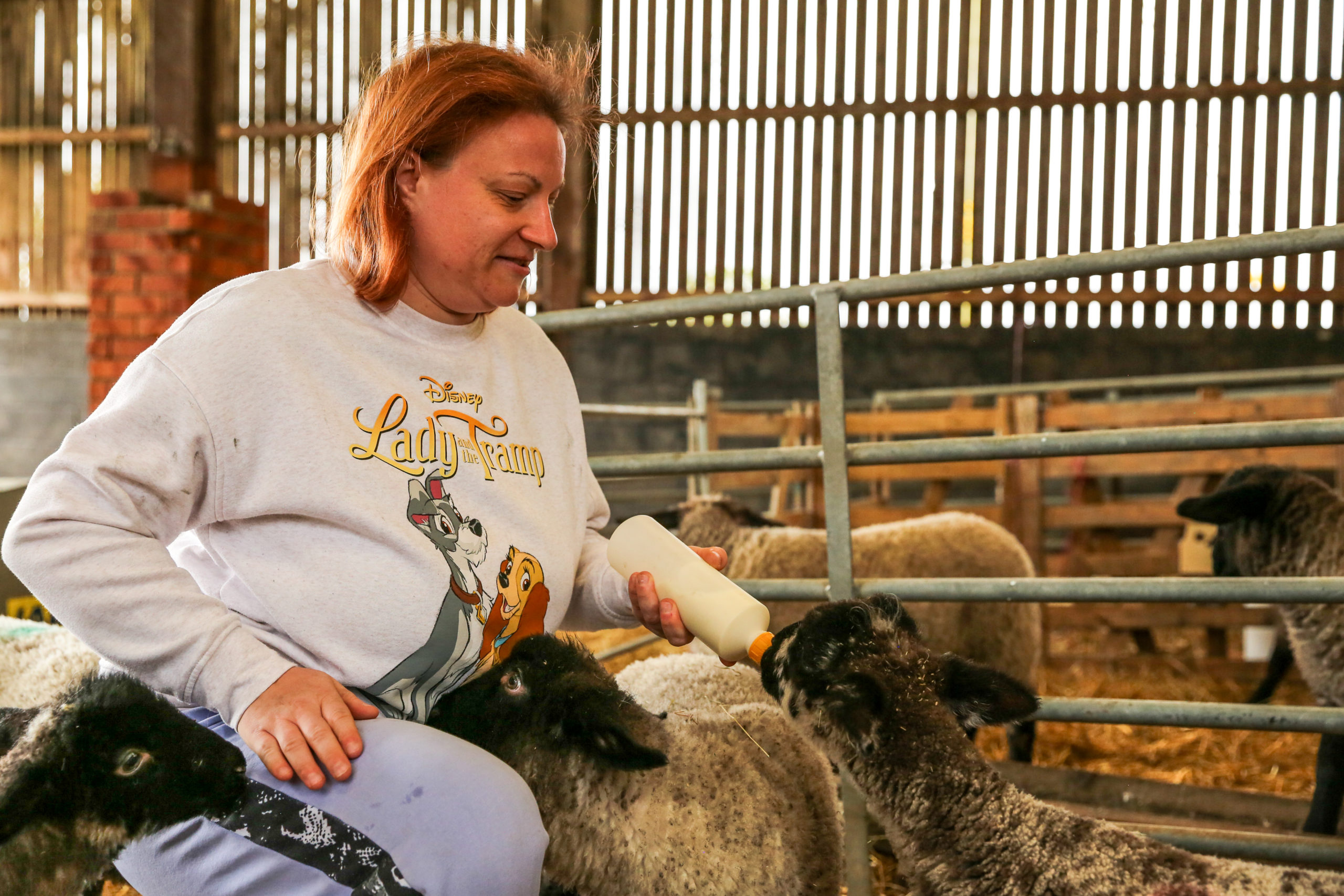
Across Camphill Village Trust, many people benefit from spending time outdoors, gardening, growing food, caring for animals, or simply connecting with nature in ways that support wellbeing and confidence.
For some people, these opportunities reduce feelings of loneliness and isolation. For others, they provide routine, purpose, friendship and a sense of achievement.
Community inclusion is not one-size-fits-all. Some people thrive in busy public-facing roles, while others build confidence more gradually through therapeutic activities, supported volunteering or spending time in nature.
What matters is that everyone has the opportunity to participate in ways that are meaningful to them.
Challenging Assumptions and Barriers
Although progress has been made, many people with learning disabilities still experience exclusion, loneliness and misunderstanding. People with learning disabilities are 7x more likely to feel lonely compared to those without (University of Surrey).
Too often, assumptions are made before someone has had the chance to show what they can do. People may be excluded from employment opportunities, social activities or decision-making simply because others underestimate them. Around 5% of adults with learning disabilities are in a form of employment (Mencap).
Do You See Me?
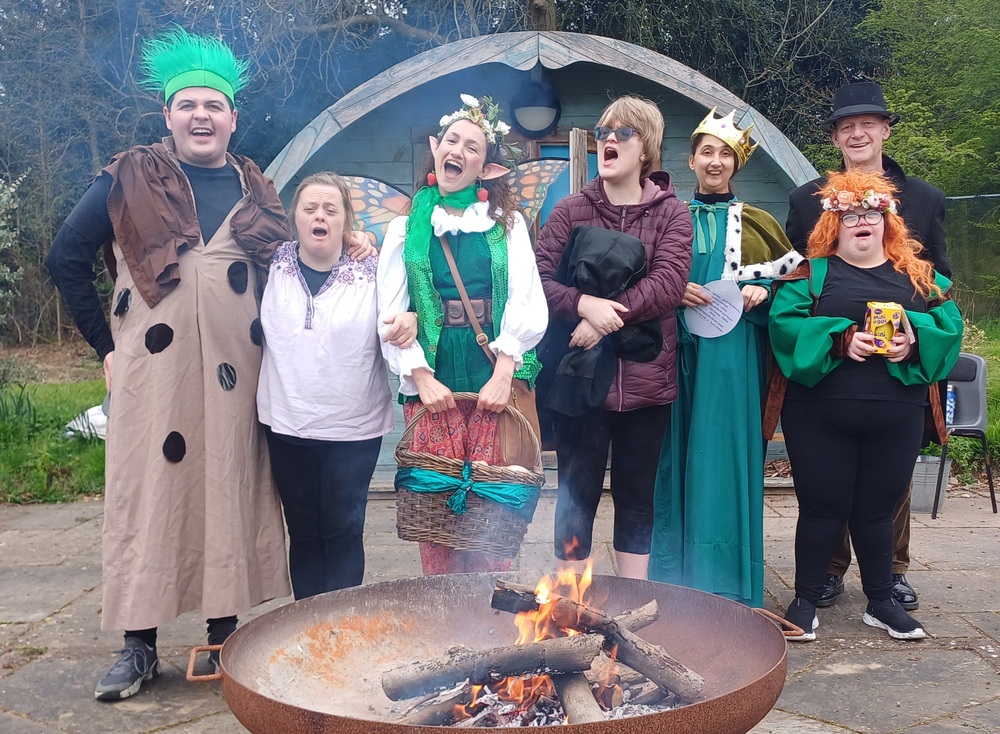
This Learning Disability Week, we invite everyone to reflect on the question: Do You See Me?
It is a chance to challenge these barriers. It is a reminder to look beyond labels and see the whole person.
Together, we can help build communities where people with learning disabilities are truly seen, valued and included.
You can support Learning Disability Week by sharing stories, celebrating achievements, challenging assumptions and helping raise awareness about the importance of inclusion and belonging.